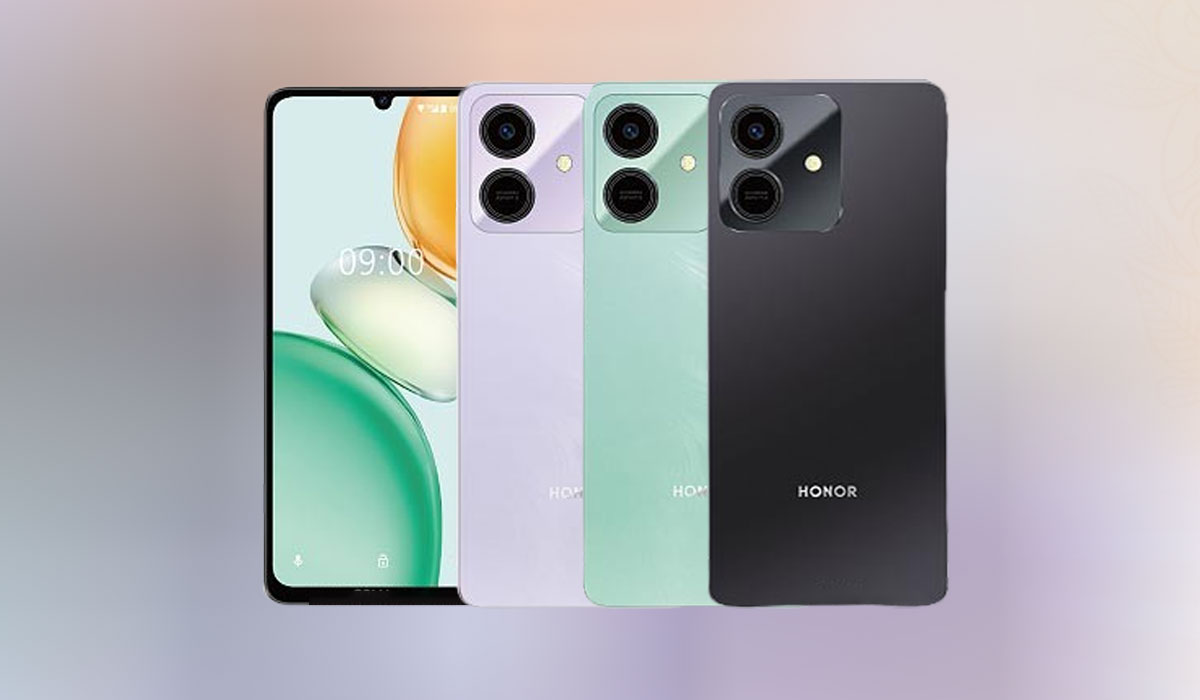


This is the complete list of Xiaomi mobile price in Nepal for 2026. In this article, you will find a detailed overview of Xiaomi phones in Nepal, covering their specs, features, and updated pricing.

Xiaomi Phones in Nepal Price List
Here is a list of Xiaomi phone price in Nepal for 2082.

| Xiaomi Mobiles in Nepal | Price |
|---|---|
| Redmi Note 17 Pro Max | Rs. 69,999 (8/256GB) | Rs. 79,999 (12/256GB) |
| Redmi Note 17 Pro | Rs. 57,999 (8/256GB) | Rs. 64,999 (12/256GB) |
| Redmi Note 17 5G | Rs. 47,999 (6/128GB) | Rs. 52,999 (8/256GB) |
| Redmi Note 17 4G | Rs. 42,999 (6/128GB) | Rs. 47,999 (8/256GB) |
| Redmi 17 | Rs. 27,999 (4/128GB) | Rs. 33,999 (6/128GB) |
| Redmi 17 5G | Rs. 33,999 (4/128GB) | Rs. 37,999 (4/256GB) | Rs. 41,999 (6/256GB) |
| Xiaomi 17T | Rs. 92,999 (12/256GB) | Rs. 99,999 (12/512GB) |
| Redmi A7 Pro | Rs. 21,499 (4/64GB) | Rs. 23,999 (4/128GB) |
| Redmi A7 | Rs. 20,499 (3/64GB) |
| Xiaomi 17 Ultra | Rs. 1,99,999 (16/512GB) |
| Redmi Note 15 Pro+ 5G | Rs. 63,999 (8/256GB) | Rs. 69,999 (12/512GB) |
| Redmi Note 15 Pro 5G | Rs. 53,999 (8/256GB) | Rs. 59,999 (12/512GB) |
| Redmi Note 15 5G | Rs. 43,999 (8/256GB) | Rs. 49,999 (12/512GB) |
| Redmi Note 15 4G | Rs. 33,999 (6/128GB) | Rs. 39,999 (8/256GB) |
| Redmi 15 | Rs. 24,999 (6/128GB) | Rs. 27,999 (8/256GB) |
| Redmi 15C | Rs. 19,999 (4/128GB) | Rs. 21,999 (6/128GB) | Rs. 24,999 (8/256GB) |
Xiaomi Mobiles in Nepal
Xiaomi, especially its Redmi lineup, has had a massive influence on the Nepali smartphone market, particularly in the budget and mid-range segments.
Vatsal Impex Pvt. Ltd. and Teledirect Pvt. Ltd. are the official distributors of Xiaomi in Nepal. They are currently selling sixteen Xiaomi smartphones in Nepal that range from entry-level to flagship categories. Xiaomi mobile price in Nepal 2026 ranges from Rs. 20,499 for the Redmi A7 (3/64GB) to Rs. 1,99,999 for the Xiaomi 17 Ultra (16/512GB).

Xiaomi phones in Nepal are currently divided into two main lineups: the premium midrange and flagship Xiaomi series, and the budget and value-focused Redmi sub-brand, which itself includes three different series. Here’s a simple breakdown:
- Xiaomi series: The Xiaomi number series is Xiaomi’s top-of-the-line phone with flagship SoCs.
- Xiaomi T series: This is Xiaomi’s premium midrange or semi-flagship offerings. We could also call it the company’s “flagship killer” phones.
- Redmi Note series: The Redmi Note lineup offers a series of mid-range to budget devices, usually offering incredible value for money. This series also has three levels of options, those being the base models, Pro, and Pro+.
- Redmi series: The Redmi series, aka Redmi number series, is a line of entry/budget Xiaomi phones that provide a decent price-to-performance ratio. This series is divided into the regular and “C” offerings.
- Redmi A Series: The A series is Redmi’s entry-level phone with basic features at a budget-friendly price.
Xiaomi Mobile Price in Nepal 2026
Redmi Note 17 Pro Max
Redmi Note 17 Pro Max Summary
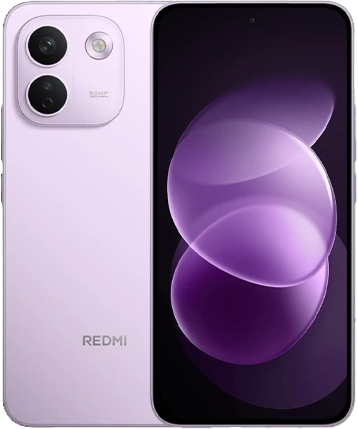
The Redmi Note 17 Pro Max stands out for its exceptional battery life and fast charging, but its average performance and limited camera versatility make it less appealing as an all-round smartphone.
Rs. 69,999 (8/256GB)
Rs. 79,999 (12/256GB)
Pros
- 10,000mAh battery with 100W fast charging
Cons
- No telephoto lens
- Poor value processor
Should You Buy?
The most exciting thing about the Redmi Note 17 Pro is its massive 10,000mAh battery, the biggest battery we’ve seen on a smartphone in Nepal yet. It’s also a silicon-carbon battery, so the phone doesn’t feel like a brick despite its 8.6mm thickness. Given the battery capacity, that’s impressive.
Charging is also nice, with support for 100W wired charging and 27W reverse charging. So, not only can it charge itself quickly, but it can also charge other devices at a decent speed. Basically, you get a phone and a power bank in one.






Sadly, that’s about it. The rest of the setup is pretty mid. The Snapdragon 6 Gen 5 is capable enough for everyday use, but rivals offer significantly better performance, meaning a smoother experience and higher FPS when gaming.

There’s also no telephoto camera at this price. Now, I know telephoto cameras are becoming less common, but seeing rivals like the Nothing Phone (4a) offer one makes its absence here a little disappointing.
So, if battery life and durability top your priority list, there’s a lot to like about the Redmi Note 17 Pro Max. But if you’re after an all-round upgrade with strong performance or a better camera experience, you’ll find more compelling options elsewhere.
Redmi Note 17 Pro Max Specifications
- Body: 163.4 x 78.3 x 8.6 mm, 229.5 g
- Build: Glass front (Gorilla Glass Victus 2), Plastic back/frame, IP68/69K Rating
- SIM: Dual SIM (2 nano-SIMs)
- Display: 6.83-inch AMOLED, 1.5K, 1280 x 2772 pixels, 447 ppi, 120Hz
- Chipset: Snapdragon 6 Gen 5 (4nm)
- Memory: 8/12GB RAM, 256/512GB Storage
- OS: Android 16
- Rear Camera: 50MP, f/1.5, 26mm (wide), 1/1.95″, 0.8µm, PDAF, OIS
- 8MP, f/2.2, 15mm, 120˚ (ultrawide), 1/4.0″, 1.12µm
- Front Camera: 32MP, f/2.2, (wide), 1/3.6″, 0.61µm
- Battery: Si/C Li-Ion 10,000 mAh, 100W wired, 27W reverse wired
- Colors: Black, Purple, Cloud Blush, Green
Redmi Note 17 Pro Max Price in Nepal: Rs. 69,999 (8/256GB) | Rs. 79,999 (12/256GB)
Redmi Note 17 Pro
Redmi Note 17 Pro Summary
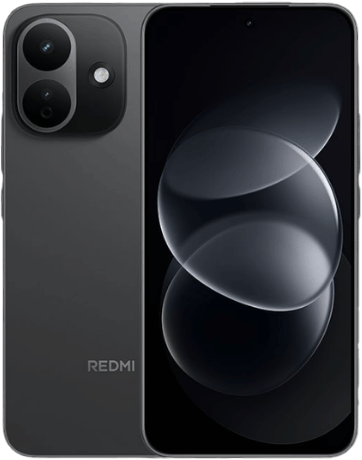
The Redmi Note 17 Pro offers a balanced package with a good display, decent build quality, and impressive battery life, but its budget-focused processor makes it difficult to recommend at its semi-premium price.
Rs. 57,999 (8/256GB)
Rs. 64,999 (12/256GB)
Pros
- 8,340mAh battery
Cons
- Poor value processor
Should You Buy?
The Redmi Note 17 Pro is not a bad option. The phone is pretty well-balanced, with a good display and decent build quality. However, where it shines the most is its 8,340mAh battery. It’s also a silicon-carbon battery, so the phone isn’t too thick either. The 67W wired charging is respectable, too.
So, battery and charging-wise, the Note 17 Pro is well-equipped. The only thing that’s less impressive is its raw performance. The Note 17 Pro runs on the Snapdragon 6s Gen 3, which was essentially a budget chipset last year.
However, with all the price hikes smartphones have been receiving, a budget processor has somehow crept into the semi-premium price segment. So, like many recently launched phones, the Redmi Note 17 Pro is a hard sell.
Fortunately, there are still rivals that offer a similar level of display and camera quality while delivering a much faster chipset.
Redmi Note 17 Pro Specifications
- Body: 163.45 x 78.27 x 8.60 mm, 223 g
- Build: Plastic frame and back, IP66/IP68/IP69/IP69K, Gorilla Glass Victus 2
- SIM: Dual SIM (Nano-SIM & eSIM supported)
- Display: 6.83-inch, AMOLED, 1.5K (1280 x 2772 pixels), 447PPI, 120Hz, 1,060/3,500nits (Typical/Peak), DCI-P3, 12-bit color, 3840Hz PWM
- Chipset: Snapdragon 6s Gen 4 (4nm)
- Memory: 8/12GB LPDDR4X RAM, 256GB UFS 3.1 storage
- OS: Android 16, HyperOS 3
- Rear Camera: 50 MP (wide), ƒ/1.8, 0.64μm, 1/2.76″, OIS
- 8 MP, ƒ/2.2 (ultrawide), 1.12μm
- Front Camera: 16 MP, ƒ/2.4, 1/4.0″
- Battery: non-removable Si/C 8,340mAh, 67W wired, 22.5W reverse wired
Redmi Note 17 Pro Max Price in Nepal: Rs. 57,999 (8/256GB) | Rs. 64,999 (12/256GB)
Redmi Note 17 4G
Redmi Note 17 4G Summary

The Redmi Note 17 (4G) brings a massive battery and a decent FHD+ display, but a weak 4G chipset, a trimmed-down camera, and a steep price hike make it hard to recommend over its predecessor’s value.
Rs. 42,999 (6/128GB)
Rs. 47,999 (8/256GB)
Pros
- 7,700mAh battery
- FHD+ display
Cons
- Steep price hike
- Poor value processor
Should You Buy?
With the current pricing, the 4G model of the Note 17 really doesn’t have much to offer. First and foremost, the phone runs a 4G chipset, and at similar pricing, you can easily find rivals with 5G processors that are far superior. Not to forget, the phone ships with just 6GB of RAM on the base variant.
It also features an FHD+ display, which is nice to see given that most budget phones are switching to HD+ these days. But you can still find early 2026 phones offering 1.5K resolution, which is obviously a step above.
The only real case that can be made here is the battery. The 7,700mAh unit is genuinely nice to have, but with so many drawbacks across the rest of the spec sheet, the 4G variant feels like a hard pass at this price.
Redmi Note 17 4G Specifications
- Body: 169.70 x 79.14 x 7.45 mm, 224
- Build: Flat plastic frames and back, IP65 dust and water resistance, Corning Gorilla Glass 7i
- SIM: Dual SIM (2 nano-SIMs, dual stand-by)
- Display: 6.99-inch, AMOLED, FHD+ (1080 x 2396 pixels), 120Hz, 700/1200/1800 nits (typ/HBM/Peak)
- Chipset: Qualcomm Snapdragon 6s 4G Gen 2 (6 nm)
- Memory: 6/8GB LPDDR4x RAM, 128/256GB UFS 2.2 Storage
- OS: Android 16, HyperOS 3, 4 years of OS updates, 6 years of security updates
- Rear Camera: 50MP (wide), ƒ/1.8, 5P lens
- Front Camera: 16MP, ƒ/2.5 (wide), 1/3″, 5P lens
- Battery: non-removable 7,700 mAh, 45W wired, 22.5W reverse wired charging
- Colors: Black, Sky Teal, Celestial Purple
Redmi Note 17 4G Price in Nepal: Rs. 42,999 (6/128GB) | Rs. 47,999 (8/256GB)
Redmi Note 17 5G
Redmi Note 17 5G Summary

The Redmi Note 17 5G offers the same big battery and display as the 4G model, but its chipset takes a noticeable step down from the Note 15 5G, leaving it as a pricier, less convincing successor overall.
Rs. 47,999 (6/128GB)
Rs. 52,999 (8/256GB)
Pros
- 7,700mAh battery
- FHD+ display
Cons
- Steep price hike
- Poor value processor
Should You Buy?
Compared to the 4G variant, the 5G model obviously offers a better chipset, but that’s about it when it comes to actual upgrades. Beyond that, the 5G and 4G variants of the phone are basically identical.
Just like the 4G model, it also features an FHD+ display, which is a nice touch considering how many budget phones have moved to HD+. But once again, there are early 2026 phones out there already offering 1.5K resolution instead, which makes this feel a step behind.
Performance tells a similar story too. And with its current pricing, the phone just doesn’t come across as good value on its own.
Redmi Note 17 5G Specifications
- Body: 169.70 x 79.14 x 7.45 mm, 225g
- Build: Flat plastic frames and back, IP65 dust and water resistance, Corning Gorilla Glass 7i
- SIM: Dual SIM (2 nano-SIMs, dual stand-by)
- Display: 6.99-inch, AMOLED, FHD+ (1080 x 2396 pixels), 120Hz, 700/1200/1800 nits (typ/HBM/Peak), DCI-P3, 12-bit, 240Hz touch sampling rate
- Chipset: Snapdragon 4 Gen 4 (4 nm)
- Memory: 6/8GB LPDDR4x RAM, 128/256GB UFS 2.2 Storage
- OS: Android 16, HyperOS 3, 4 years of OS updates, 6 years of security updates
- Rear Camera: 50MP (wide), ƒ/1.8, 5P lens
- Front Camera: 16MP, ƒ/2.5 (wide), 1/3″, 5P lens
- Battery: non-removable 7,700 mAh, 45W wired, 22.5W reverse wired charging
- Colors: Black, Sky Teal, Celestial Purple
Redmi Note 17 5G Price in Nepal: Rs. 47,999 (6/128GB) | Rs. 52,999 (8/256GB)
Redmi 17
Redmi 17 Summary

The Redmi 17 4G feels more like a sideways move than a true upgrade. At its current price, it’s hard to recommend unless long battery life is your main priority.
Rs. 27,999 (4/128GB)
Rs. 33,999 (6/128GB)
Pros
- 7,500mAh battery with 45W charging
Cons
- HD+ resolution
Should You Buy?
Honestly, I wouldn’t recommend the Redmi 17 4G at Rs. 27,999. The massive 7,500mAh battery, 45W charging, and reverse charging are definitely useful, but they come at the cost of some pretty important compromises.
The HD+ display is a clear downgrade, especially on such a large 6.9-inch screen, while the Helio G91 Ultra doesn’t feel like a meaningful performance upgrade either. Add the lower 4GB RAM on the base variant and the lack of any major camera improvement, and the Redmi 17 feels more like a sideways move than a proper generational upgrade.
If battery life is your biggest priority, the Redmi 17 still makes some sense. But as an overall package, it’s difficult to justify paying the same starting price for a phone that gives you less in several key areas.
Redmi 17 Specifications
- Display: 6.9-inch, HD+ IPS LCD, 720 x 1600 pixels, 120Hz, 675/825 nits (typ/HBM), Dynamic Dimming
- Chipset: MediaTek Helio G91-Ultra (12nm)
- Memory: 4/128GB, 6/128GB, LPDDR4x RAM, eMMC 5.1 storage, shared microSD card slot (Up to 2TB)
- OS: Android 16, HyperOS 3
- Rear Camera: 50MP, ƒ/1.8 (main), 5P lens + Auxiliary lens
- Front Camera: 8 MP, ƒ/2.05
- Battery: non-removable 7,500 mAh, 45W wired, 22.5 wired reverse charging
- Color: Black, Deep Blue, Lotus Purple, Oak Green
Redmi 17 Price in Nepal: Rs. 27,999 (4/128GB) | Rs. 33,999 (6/128GB)
Redmi 17 5G
Redmi 17 5G Summary
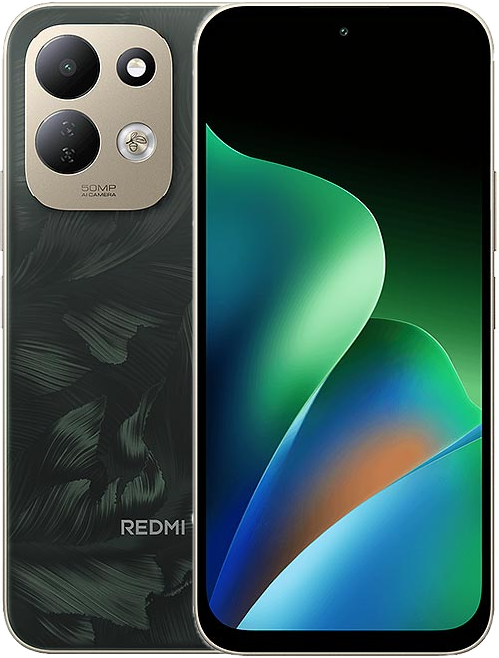
The Redmi 17 5G is a more meaningful upgrade than the 4G variant. But it still has some compromises that hold it back. It’s worth considering if performance, 5G, and battery life are your priorities, but it’s not the most well-rounded phone in its class.
Rs. 33,999 (4/128GB)
Rs. 37,999 (4/256GB)
Rs. 41,999 (6/256GB)
Pros
- 7,500mAh battery with 45W charging
Cons
- HD+ resolution
Should You Buy?
The Redmi 17 5G is a much more interesting proposition than the 4G model. The move to a 5G chipset gives it a meaningful performance boost with the Snapdragon 4 Gen 5, while the 7,500mAh battery, 45W charging, and reverse charging remain the biggest strengths.
You also get a more future-proof connectivity option, which makes the 5G variant feel like a proper upgrade rather than just a new name.
That said, the HD+ display is still a hard pill to swallow, especially at this price. The camera setup also remains fairly basic, so don’t expect a major jump in photography compared to the 4G model.
I’d consider the Redmi 17 5G worth buying if its 5G connectivity and battery life are your priorities, but it still isn’t a particularly well-rounded upgrade.
Redmi 17 5G Specifications
- Display: 6.9-inch, HD+ IPS LCD, 720 x 1600 pixels, 120Hz, 675/825 nits (typ/HBM), Dynamic Dimming
- Chipset: MediaTek Helio G91-Ultra (12nm)
- Memory: 4/128GB, 6/128GB, LPDDR4x RAM, eMMC 5.1 storage, shared microSD card slot (Up to 2TB)
- OS: Android 16, HyperOS 3
- Rear Camera: 50MP, ƒ/1.8 (main), 5P lens + Auxiliary lens
- Front Camera: 8 MP, ƒ/2.05
- Battery: non-removable 7,500 mAh, 45W wired, 22.5 wired reverse charging
- Color: Black, Deep Blue, Lotus Purple, Oak Green
Redmi 17 5G Price in Nepal: Rs. 33,999 (4/128GB) | Rs. 37,999 (4/256GB) | Rs. 41,999 (6/256GB)
Xiaomi 17T
Xiaomi 17T Summary
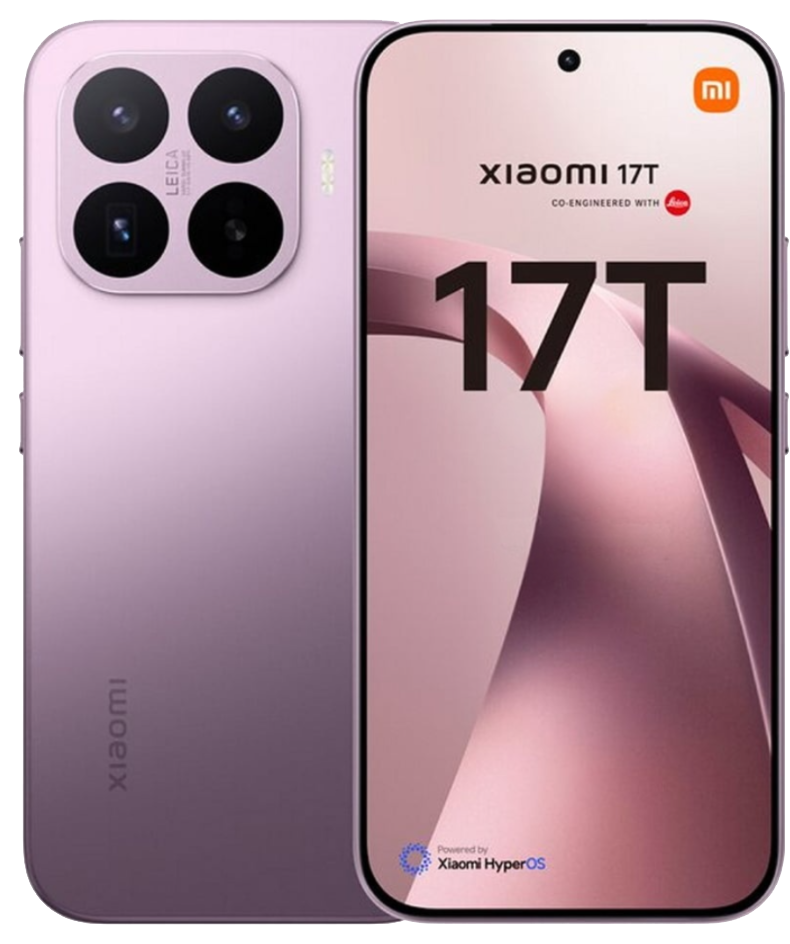
The Xiaomi 17T is the successor to the Xiaomi 15T, which was one of the best phones under Rs. 65,000.
Rs. 92,999 (12/256GB)
Rs. 99,999 (12/512GB)
Pros
- 5X Telephoto camera
- Good build
- Large 6500mAh Si/C battery
- Excellent AMOLED display
Cons
- Plastic frame
Should You Buy?
The Xiaomi 17T, at launch, was an excellent buy and easily topped our list of the best phones under Rs. 90,000. But the phone recently got a Rs. 10,000 bump, pushing the price to the Rs. 1,00,000 mark.
At this price, its specs start to feel a bit lackluster. For instance, at Rs. 90,000, its Dimensity 8500 Ultra chipset was a solid, modest performer. But at its current pricing, rivals offer the Snapdragon 8 Gen 5, and some even come with the Snapdragon 8 Elite, last year’s flagship chip.
That said, it does have a decent camera setup, with the telephoto camera now supporting 5x optical zoom, which is even better than what most rivals offer.
So if performance is your priority, it’s hard to recommend the Xiaomi 17T when rivals like the POCO F8 Pro and OnePlus 15R sit only slightly above in price, yet offer noticeably better performance.
Xiaomi 17T Specifications
- Body: 157.60mm x 75.20mm x 8.17mm, 200g
- Build: Plastic frame, glass-fiber reinforced plastic back, IP68
- SIM: Dual SIM (Dual Nano SIM or Dual eSIM or Nano SIM + eSIM)
- Display: 6.59-inch AMOLED, 1.5K (1268 x 2756 pixels), 120Hz, 3840Hz PWM dimming, Dolby Vision, HDR10+, Gorilla Glass protection
- Chipset: MediaTek Dimensity 8500 Ultra (4 nm)
- Memory: 12GB LPDDR5X RAM, 512GB UFS 4.1 Storage
- OS: Android 16, Xiaomi HyperOS 3
- Rear Camera: 50 MP, ƒ/1.7, 23mm (wide), 1/1.55″, 1.0µm, PDAF, OIS
- 50 MP, ƒ/3.0, 115mm (periscope telephoto), 1/2.76″, 0.64µm, PDAF, OIS, 5x optical zoom
- 12 MP, ƒ/2.2, 15mm, 120˚ (ultrawide), 1/3.06″, 1.12µm
- Front Camera: 32 MP, ƒ/2.2, 21mm (wide), 1/3.44″, 0.64µm
- Battery: Si/C Li-Ion 6500 mAh, 67W wired charging
- Colors: Blue, Black, Purple
Xiaomi 17T Price in Nepal: Rs. 92,999 (12/256GB) | Rs. 99,999 (12/512GB)
Redmi A7 Pro
Redmi A7 Pro Summary

The Redmi A7 Pro is the “Pro” version of the Redmi A7 and the first “Pro” phone in the series. As the name suggests, it is a slightly upgraded version of the Redmi A7.
Rs. 21,499 (4/64GB)
Rs. 23,999 (4/128GB)
Pros
- Premium-looking design
- Fast UFS 2.2 storage
Cons
- Expensive
- Only 64GB storage
Should You Buy?
The Redmi A7 Pro is clearly a better option than the Redmi A7. It comes with 4GB RAM and faster UFS 2.2 storage, which is almost unheard of in this price range.
For an extra Rs. 1,000 over the Redmi A7, you get a slightly bigger and brighter 6.9-inch display. While the chipset and camera setup remain the same, the battery has been upgraded to 6000mAh.
This feels like a much-needed upgrade, but the 64GB storage at this price feels a bit limiting. Almost all competing phones offer at least 128GB of storage.
Possible Alternatives
For something around Rs. 21,000, the Redmi 15C makes a lot of sense, especially the 6/128GB variant. At almost the same price as the Redmi A7 Pro, you are getting a premium glass or leather back with a better camera setup, and not to forget more RAM and storage as well.
The battery is also 6,000mAh, just like the A7 Pro. And unlike the A7 Pro, which has only 15W fast charging, the 15C features 33W fast charging. The only thing you will be compromising on is the last-gen Android 15.
The next alternative is the Samsung Galaxy A07, which comes with one of the best 4G SoCs out there, the MediaTek Helio G99. And don’t forget the 6 years of software support from Samsung, which even after the first year makes it a phone you can rely on for a lot longer than most budget options in this range.
Redmi A7 Pro Specifications
- Body: 171.56 x 79.47 x 8.15 mm, 208gm
- Build: Plastic frame, Plastic Back
- SIM: Dual SIM (nano-SIMs)
- Display: 6.9-inch IPS LCD, HD+ (1600 x 720 pixels), 254PPI, up to 120Hz, 650nits (typ), 800nits (HBM), DC Dimming
- Chipset: UNISOC T7250 (12nm)
- Memory: 4GB LPDDR4x RAM, 64GB UFS2.2, microSD (dedicated)
- OS: Android 16, HyperOS 3
- Rear Camera: 13MP (main), ƒ/2.2, 1/3.06″
- Front Camera: 8MP, ƒ/2.0
- Battery: 6,000 mAh, 15W charging
- Colors: Sunset Orange, Palm Green, Mist Blue, Black
Redmi A7 Pro Price in Nepal: Rs. 21,499 (4/64GB) | Rs. 23,999 (4/128GB)
Redmi A7
Redmi A7 Summary
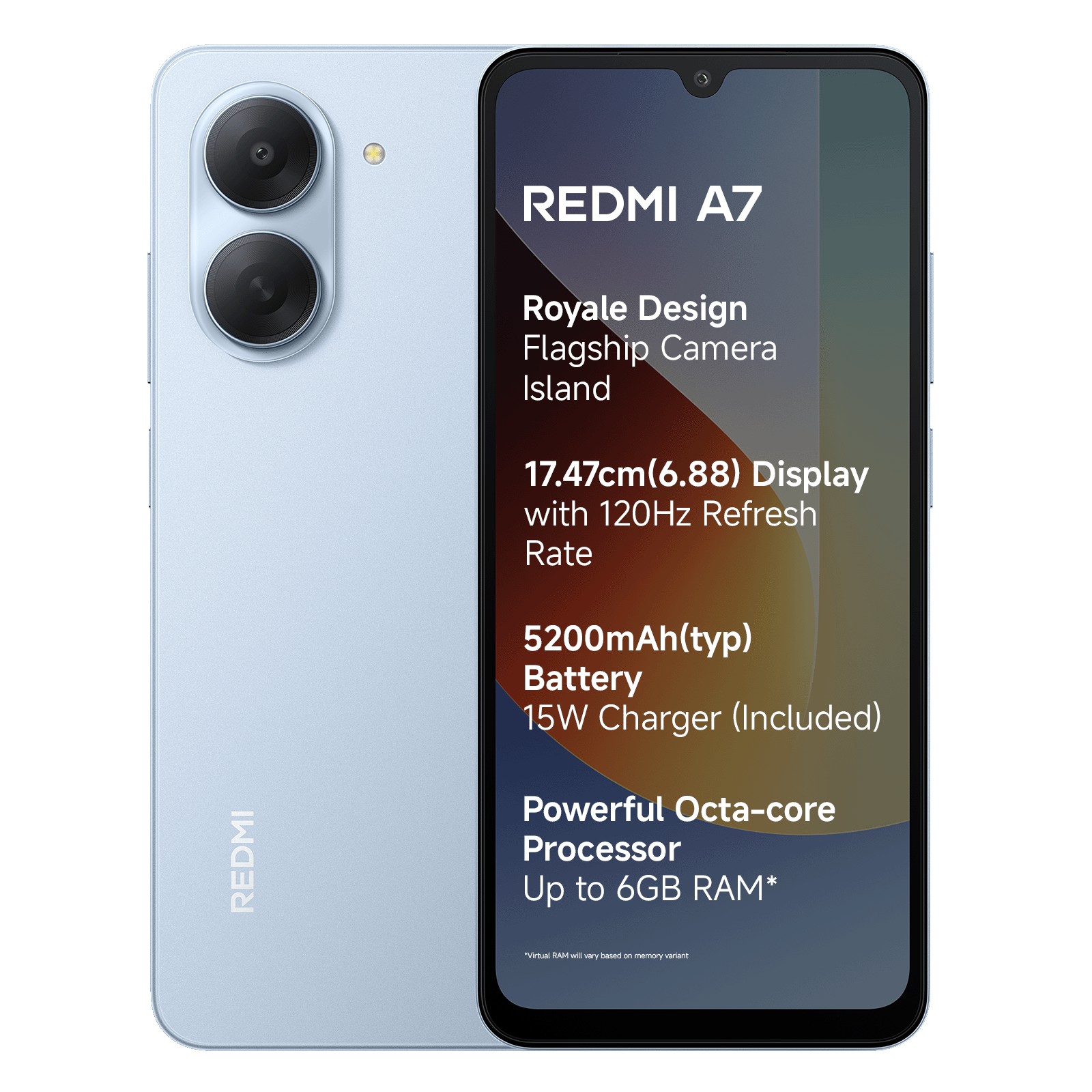
The Redmi A7 is the latest iteration in Redmi’s most affordable A-series lineup. The phone is almost identical to last year’s Redmi A5, which was a decent entry-level device.
Rs. 20,499 (3/64GB)
Pros
- Big 120Hz display
- Premium-looking design
- Clean OS
Cons
- Only 3GB RAM
- Low peak brightness
Should You Buy?
The Redmi A-series used to be one of the best affordable phone lineups, but after recent price hikes, that can no longer be said. While the A7 is almost identical to the A5, it is Rs. 1,000 more expensive. The design does look more premium than the A5, but it still retains the same HD+ display, 3GB RAM, and UNISOC T7250 chipset. It’s the same setup you find on most budget rivals.
Interestingly, Xiaomi has also downgraded the camera from a 32MP sensor to a 13MP unit. While sensor quality matters more than megapixel count, this downgrade still doesn’t feel very convincing on paper.
With all these changes, the Redmi A7 doesn’t look bad for the price, but it isn’t particularly compelling either. And with the price exceeding Rs. 20,000, there are other alternatives.
Possible Alternatives
There isn’t much difference between entry-level phones. However, the Redmi 15C offers 4GB RAM, 128GB storage, a 6000mAh battery, and 18W charging, all at the same price as the Redmi A7.
If you want similar performance at a lower price, the Honor Play10 is worth considering. It runs the MediaTek Helio G81 and comes in the same 3/64GB memory configuration. The only real downside is the slightly smaller 5,000mAh battery, but a 200mAh drop compared to the A7’s 5,200mAh is hardly a deal breaker, especially considering the Play10 is Rs. 3,000 cheaper.
So as it stands, the Redmi 15C is the best value phone around the Rs. 20,000 mark. But if saving money is the priority, the Honor Play 10 is the smarter pick.
Redmi A7 Specifications
- Body: 171.79 x 77.80 x 8.26 mm, 193gm
- Build: Plastic frame, Plastic Back
- SIM: Dual SIM (nano-SIMs)
- Display: 6.88-inch IPS LCD, HD+ (1640 x 720 pixels), up to 120Hz, 450nits (typ), DC dimming
- Chipset: UNISOC T7250 (12nm)
- Memory: 3GB LPDDR4x RAM, 64GB eMMC 5.1, microSD slot (dedicated)
- OS: Android 16 (Go Edition)*
- Rear Camera: 13MP (main), ƒ/2.2, 1/3.06″
- Front Camera: 8MP, ƒ/2.0
- Battery: 5,200 mAh, 15W charging
- Colors: Black, Sky Blue, Orchid Purple
Redmi A7 Price in Nepal: Rs. 20,499 (3/64GB)
Xiaomi 17 Ultra
Xiaomi 17 Ultra Summary

The Xiaomi 17 Ultra is easily one of the best camera-centric flagship phones of 2026. The meaningful upgrades over its predecessor make it a compelling ultra camera-focused device.
Rs. 1,99,999 (16/512GB)
Pros
- Amazing Cameras
- Exceptional battery
- Powerful performance
Cons
- HyperOS experience
- Main camera video stabilization could be better
Should You Buy?
The Xiaomi 17 Ultra is an ultra-flagship phone with outstanding cameras for photography. From the massive 1-inch Leica main sensor to the unique 200MP telephoto with mechanical optical zoom, this phone is clearly built for users who genuinely care about photography. Add the Snapdragon 8 Elite Gen 5, a bright 120Hz LTPO display, flagship-grade build quality, and a large 6000mAh battery, and there’s very little left to complain about.
However, the OS experience is still one of the least enjoyable among premium flagships. But if you want one of the best Android camera phones available right now and don’t mind paying flagship money for it, the Xiaomi 17 Ultra absolutely delivers a full ultra experience.
Possible Alternatives
The Xiaomi 17 Ultra is one of the least expensive ultra-flagship phones out there, and combined with its superb camera hardware, it is hard to find an alternative. That said, the vivo X300 Pro comes very close with similarly impressive camera hardware, while also delivering a more polished and refined software experience through OriginOS, and it is Rs. 20,000 cheaper!
You can also opt for the Samsung S26 Ultra if you want a more well-rounded flagship phone with superior features like Horizon Lock and the fan favorite, Privacy display. However, you will have to compromise in terms of raw performance. For instance, the 26U has a smaller battery, slower charging, low memory, and a camera setup that is not that great either, at least compared to the Xiaomi 17 Ultra and the vivo X300 Pro.
Xiaomi 17 Ultra Specifications
- Display: 6.9-inch Xiaomi HyperRGB OLED, 1200 x 2608 pixels, 120Hz, 12-bit, 2160Hz PWM, 3500 nits (peak)
- Chipset: Qualcomm SM8850-AC Snapdragon 8 Elite Gen 5 (3 nm)
- Memory: 16GB RAM, 512GB storage
- OS: Android 16, HyperOS 3
- Rear Camera: 50MP, f/1.7, 23mm (wide) dual pixel PDAF, OIS
- 200MP, f/2.4-3 (periscope telephoto), multi-directional PDAF, OIS, 3.2-4.3x continuous optical zoom
- 50MP, f/2.2 (ultrawide), dual pixel PDAF
- TOF 3D (depth)
- Front Camera: 50MP AF, (wide), 1/2.88″, 0.61µm
- Battery: 6000mAh, 90W wired, 50W Wireless, 22.5W reverse wired, 10W reverse wireless
- Color: Black, White, Starlit Green
Xiaomi 17 Ultra Price in Nepal: Rs. 1,99,999 (16/512GB)
Redmi Note 15 Pro+
Redmi Note 15 Pro+ Summary

The Redmi Note 15 Pro+ is the premier option of the 2026 edition of the Redmi Note series. This phone brings incremental upgrades to the previous iteration, which was already a very solid.
Rs. 63,999 (8/256GB)
Rs. 69,999 (12/512GB)
Pros
- Durability (stacked with IP ratings)
- Premium-looking design
- 6,500mAh battery
Cons
- No telephoto lens
- Steep pricing
Should You Buy?
The Pro+ option of the Redmi Note series has been on a roll for the past few years. The phone has been one of the best picks in its price range. Last year’s Note 14 Pro+ was almost perfect, and the Note 15 Pro+ brings incremental upgrades over it. It now has IP66/IP68/IP69/IP69K ratings instead of just IP68. The screen is a little larger, and the chipset is a little more powerful.
It looks even more premium with a vegan leather finish on one of the colour options. The biggest upgrade we get is definitely the battery, 6,500mAh of silicon-carbide tech is really impressive!
Despite all the upgrades it brings, the Redmi Note 15 Pro+ does not make sense to purchase.
Possible Alternatives
The Redmi Note 15 series was the first smartphone lineup of 2026, arriving right as the effects of the global RAM shortage started to be felt. The Pro+ variant saw a massive price hike of Rs. 10,000 after launch, followed by an additional Rs. 3,000 increase across both variants recently.
To make things worse for Xiaomi, the Nothing Phone (4a) is now available at the same price as the Redmi Note 15 Pro+, but with better camera specifications.
So, as it stands, if you are spending close to Rs. 65,000 on a phone right now, it makes more sense to go for the Nothing Phone (4a). You get a more capable overall package with stronger optics, including a telephoto lens.
Redmi Note 15 Pro+ Specifications
- Display: 6.83-inch, AMOLED, 1.5K (1280 x 2772 pixels), 120Hz, 3200nits (peak), HDR10+, 3840Hz PWM Dimming
- Chipset: Qualcomm Snapdragon 7s Gen 4 (4nm)
- Memory: 8/12GB LPDDR4x RAM, 256/512GB UFS 2.2 storage
- OS: Xiaomi HyperOS 2, Android 15
- Rear Camera: 200MP (wide), ƒ/1.7, 1/1.4″, OIS
- 8MP, ƒ/2.2 (ultrawide)
- Front Camera: 32MP, ƒ/2.2, 1/3.6″
- Battery: Non-removable Si/C 6,500 mAh, 100W wired, 22.5 reverse wired
Redmi Note 15 Pro+ Price in Nepal: Rs. 63,999 (8/256GB) | Rs. 69,999 (12/512GB)
Redmi Note 15 Pro
Redmi Note 15 Pro Summary

The Redmi Note 15 Pro is a slightly compromised version of the Redmi Note 15 Pro+. And just like its Pro+ counterpart, it brings a few incremental upgrades to its previous iteration.
Rs. 53,999 (8/256GB)
Rs. 59,999 (12/512GB)
Pros
- Durability (Stacked with IP ratings)
- 6,580mAh battery
Cons
- Steep pricing
Should You Buy?
The Redmi Note 15 Pro is largely similar to the Redmi Note 15 Pro+. It has the same level of dust and water resistance, the same display, and the same rear camera setup.
The changes include a weaker silicon in the form of the MediaTek Dimensity 7400, a lower-res selfie snapper (20MP), and comparatively snail-speed charging at 45W. However, it does boast a slightly larger cell capacity at 6,580mAh, making it the Redmi Note 15 series member with the largest battery.
To an average user, getting this phone makes more sense than the Redmi Note 15 Pro+. But when considering the entirety of the Nepali smartphone landscape right now, its pricing is kind of sad.
Possible Alternatives
The Redmi Note 15 Pro faces the same issue as its siblings. Currently, its pricing does not make sense. At Rs. 53,000, you can get a more powerful phone like the Infinix GT 30 Pro and the OnePlus Nord CE5.
You can also opt for the Nothing Phone (4a), which comes with a telephoto lens and a much more fun software experience.
Redmi Note 15 Pro Specifications
- Display: 6.83-inch, AMOLED, 1.5K (1280 x 2772 pixels), 120Hz, 3200nits (peak), HDR10+, 3840Hz PWM Dimming
- Chipset: MediaTek Dimensity 7400 Ultra (4nm)
- Memory: 8/12GB LPDDR4x RAM, 256/512GB UFS 2.2 storage
- OS: Xiaomi HyperOS 2, Android 15
- Rear Camera: 200MP (wide), ƒ/1.7, 1/1.4″, OIS
- 8MP, ƒ/2.2 (ultrawide)
- Front Camera: 20MP, ƒ/2.2, 1/4″
- Battery: Non-removable Si/C 6,580 mAh, 45W wired, 22.5 reverse wired
Redmi Note 15 Pro Price in Nepal: Rs. 53,999 (8/256GB) | Rs. 59,999 (12/512GB)
Redmi Note 15 5G
Redmi Note 15 5G Summary

The Redmi Note 15 5G is probably the biggest winner of the series. The silicon upgrade it received is absolutely massive. Even with the price hike, it doesn’t look like a bad deal. The base 5G model of the Redmi Note series has the potential to be the best smartphone of its segment in the future.
Rs. 43,999 (8/256GB)
Rs. 49,999 (12/512GB)
Pros
- 5,520mAh Si/C battery
- Great processor
Cons
- Steep price hike
Should You Buy?
As I stated earlier, the Redmi Note 15 5G is the biggest winner of the entire series. It got an upgrade to the Snapdragon 6 Gen 3 from the MediaTek Dimensity 7025.
The other specs of the Redmi Note 15 5G aren’t bad either, but the recent price hike of Rs. 4000 makes it look ordinary. We are getting a high-resolution curved AMOLED screen, 108MP camera coupled with an 8MP ultrawide snapper, and a 5,520mAh silicon-carbide battery.
Previously, it was one of the top 5 contenders for the best phones under Rs. 40,000 chart later this year, but the recent price hike puts the Note 15 5G out of this list.
Possible Alternatives
As you may have guessed, Redmi Note 15 5G is not a sensible purchase anymore. If you are spending close to Rs. 45,000, the likes of Infinix GT 30 Pro and the Infinix Note 60 are better options.
The former packs the most power in this price while being only Rs. 4,000 more expensive than the Redmi Note 15 5G. It has the gamer aesthetic, shoulder triggers, and whatnot. And there’s the Infinix Note 60 with a more powerful chipset and better display specs.
Redmi Note 15 5G Specifications
- Display: 6.77-inch, AMOLED, FHD+ (1080 x 2392 pixels), 120Hz, 3200 nits (peak), DCI-P3, 12-bit, 3840Hz PWM Dimming
- Chipset: Snapdragon 6 Gen 3 (4nm)
- Memory: 8/12GB LPDDR4x RAM, 256/512GB UFS 2.2 storage
- OS: Xiaomi HyperOS 2, Android 15
- Rear Camera: 108MP (wide), ƒ/1.7, 1/1.67″
- 8MP, ƒ/2.2 (ultrawide)
- Front Camera: 20MP, ƒ/2.2, 1/4″
- Battery: Non-removable Si/C 5,520 mAh, 45W wired, 18W reverse wired
Redmi Note 15 5G Price in Nepal: Rs. 43,999 (8/256GB) | Rs. 49,999 (12/512GB)
Redmi Note 15 4G
Redmi Note 15 4G Summary

The Redmi Note 15 4G is mostly similar to its 5G counterpart. The major difference between the two is obviously the silicon of choice, with this phone opting for a 4G option. Likewise, the other difference between them is the battery and charging speed.
Rs. 33,999 (6/128GB)
Rs. 39,999 (8/256GB)
Pros
- 6,000mAh battery
Cons
- Weaker chip
Should You Buy?
I have already mentioned that this phone is very similar to its 5G counterpart. The obvious difference is the processor, as this phone packs a 4G-only chip. This also means the performance of the Redmi Note 14 4G is quite a bit weaker, but that is by design.
Then the other difference is the battery, wherein the Redmi Note 15 4G packs a 6,000mAh cell, which is larger than the Redmi Note 15 5G. I should also clarify that Xiaomi does not mention that this phone has the fancy silicon-carbide tech, unlike other Note 15s, so it’s likely a traditional lithium-ion tech. The charging is also slightly slower at “just” 33W.
Possible Alternatives
At this price, there are two particular alternatives that stand out. First is the Motorola Moto G57 Power, which comes with a much faster chipset and a more versatile camera setup featuring a 50MP main and 8MP ultrawide. But its biggest highlight is the massive 7,000mAh battery. The only downside is that you’re paying almost as much as the top-end Redmi Note 15 4G, while getting just 128GB of storage.
If you want something in a similar price range, the Samsung Galaxy A17 is another solid option. It costs exactly the same as the Redmi Note 15 4G and comes with a 5G Exynos 1330, a triple-camera setup, and an impressive six years of OS updates.
However, you will have to sacrifice some battery endurance, as the A17 packs a 5,000mAh battery with 25W charging.
Redmi Note 15 4G Specifications
- Display: 6.77-inch, AMOLED, FHD+ (1080 x 2392 pixels), 120Hz, 800nits (typ), 3200 nits (peak), DCI-P3, 12-bit, 240Hz Touch Sampling Rate
- Chipset: MediaTek Helio G100 Ultra (6nm)
- Memory: 6/8GB LPDDR4x RAM, 128/256GB UFS 2.2 storage
- OS: Xiaomi HyperOS 2, Android 15
- Rear Camera: 108MP (wide), ƒ/1.7, 1/1.67″
- 2MP, ƒ/2.4 (ultrawide)
- Front Camera: 20MP, ƒ/2.2, 1/4″
- Battery: Non-removable 6,000 mAh, 33W wired, 18W reverse wired
Redmi Note 15 4G Price in Nepal: Rs. 33,999 (6/128GB) | Rs. 39,999 (8/256GB)
Redmi 15
Redmi 15 Summary

The Redmi 15 is Xiaomi’s budget offering, which is supposed to be a little better than the cheaper Redmi 15C. If we just look at the specs sheet, it surely is. However, after using both phones side-by-side for our review, it surely doesn’t feel better.
Rs. 27,999 (6/128GB)
Rs. 29,999 (8/256GB)
Pros
- FHD+ display
- 7000mAh battery
Cons
- Underwhelming performance
Should You Buy?
The Redmi 15 started out as one of the more underwhelming phones of 2025. But after countless price hikes pushed even entry-level phones into higher price brackets, the Redmi 15 has somehow climbed its way up to become one of the better phones under Rs. 30,000.
For Rs. 27,999, you get an FHD+ display, which might not sound special, but with most phones around this price now settling for HD+, it actually makes a big difference. You also get a massive 7,000mAh battery, so battery life is easily one of its biggest strengths.
The only real weakness is performance. The Snapdragon 685 is starting to show its age and falls behind some rivals in raw performance.
But if you’re looking for an everyday phone with a sharp display, excellent battery life, and enough power for regular use, the Redmi 15 is still a pretty easy recommendation at this price.
ALSO READ: OnePlus Mobile Price in Nepal (October 2026 Updated)
Possible Alternatives
There are two phones that address the Redmi 15’s biggest weakness: performance. First up is Samsung’s most affordable option, the Galaxy A07, which runs on the Helio G99. Samsung also promises an impressive six years of OS upgrades, which is pretty rare to see on a budget phone. However, the A07 falls behind in other areas, with a smaller 5,000mAh battery and an HD+ display.
The other alternative is the Honor X6d, which has similar shortcomings, with a 5,260mAh battery and an HD+ display. But where it pulls ahead is performance, thanks to the MediaTek Dimensity 6300, a 5G chipset.
With 5G becoming less common below Rs. 30,000, the X6d is a pretty compelling alternative if performance and connectivity matter more to you.
Redmi 15 Specifications
- Display: 6.9-inch LCD, 144Hz refresh rate, FHD+ (1080 x 2340 pixels), 700 nits (typ)
- Chipset: Qualcomm Snapdragon 685 (6nm)
- CPU: Octa-core (4×2.8 GHz Cortex-A73 and 4×1.9 GHz Cortex-A53)
- GPU: Adreno 610
- Memory: 6/8GB RAM + Up to 16GB Memory extension, 128/256GB internal storage + Up to 2TB expandable storage (hybrid slot)
- OS: Android 15, Xiaomi HyperOS 2
- Rear Camera: 50MP, ƒ/1.8, 1080p@30fps video
- Front Camera: 8MP, 1080p@30fps video
- Battery: Non-removable Li-ion battery, 7,000mAh, 33W charging
Redmi 15 Price in Nepal: Rs. 27,999 (6/128GB) | Rs. 29,999 (8/256GB)
Redmi 15C
Redmi 15C Summary

The Redmi 15C is Xiaomi’s budget offering. While Xiaomi and its Redmi devices have always been a staple in this price point, the Redmi 15C lost some of its edge.
Rs. 21,999 (4/128GB)
Rs. 23,999 (6/128GB)
Rs. 27,999 (8/256GB)
Pros
- 6000mAh battery
- 120Hz refresh rate display
- Dedicated MicroSD card slot
Cons
- Still Helio G81
Should You Buy?
With this phone, we got a slightly better display, a bigger battery, and faster charging support compared to its predecessor. However, the competition has toughened, and Redmi 15C doesn’t look as attractive as it used to be a while back.
For instance, the Helio G81 at this price feels a bit underwhelming, especially when faster chipsets are available for less. So, trying to answer whether or not you should buy the Redmi 15C is a bit tricky. This is because the company recently hiked the price of the phone, which steepened even further after the whole RAM shortage ordeal.
That said, the phone does make up for it in the battery and charging department. You get a massive 6,000mAh battery paired with 33W fast charging, which is impressive for the segment and a clear advantage over many rivals.
So, if you value endurance, it’s not a bad purchase either.
Possible Alternatives
Talking about the alternatives, the first one that comes to mind is the Samsung Galaxy A07. Sure, it’s a bit more expensive than the Redmi 15C, but you also get a much more powerful Helio G99 and an impressive six years of software updates. Sadly, storage is limited to just 64GB.
There’s also the Ai+ Nova 2, which also comes with just 64GB of storage but packs the Unisoc T8200, a 5G chipset that’s considerably more powerful than the popular G99. You also get a 6,000mAh battery, making it a pretty compelling package.
The only baggage is that Ai+ has been caught up in controversies surrounding its software and claims about offering a clean, bloatware-free experience.
Redmi 15C Specifications
- Display: 6.9-inch LCD, 120Hz refresh rate, HD+ (1600 x 720 pixels), 660 nits (typ)
- Chipset: MediaTek Helio G81 Ultra (12nm)
- CPU: Octa-core (2x 2.0GHz Cortex-A75 & 6x 1.7GHz Cortex-A55)
- GPU: ARM Mali-G52 MC2
- Memory: 4/6/8GB LPDDR4X RAM + Up to 16GB Memory extension, 128/256GB eMMC 5.1 internal storage + Up to 1TB expandable storage (dedicated slot)
- OS: Android 15, Xiaomi HyperOS 2
- Rear Camera: 50MP, ƒ/1.8, 5P lens, 1080p@30fps video
- Front Camera: 8MP, ƒ/2.0, 1080p@30fps video
- Battery: Non-removable Li-ion battery, 6,000mAh, 33W charging, 10W reverse wired charging
Redmi 15C Price in Nepal: Rs. 21,999 (4/128GB) | Rs. 24,999 (6/128GB) | Rs. 27,999 (8/256GB)
Thoughts on Xiaomi Mobile Price in Nepal
So, that was the list of Xiaomi mobile price in Nepal in 2026. Xiaomi has a range of smartphones from entry-level to flagships.
Xiaomi has had a massive influence on the Nepali smartphone market, especially in the budget and mid-range segments. It was among the first brands in Nepal to push aggressive specs at affordable prices. Whether it was the Redmi Note series or budget Redmi phones, they delivered solid internals at low costs.
While that’s still true, some of its phones are starting to lose their grip in the market due to aggressive pricing from competitors offering better specs. Users are also prioritizing software experience, clean UI, and battery health. And with poor UI choices, Redmi phones are starting to feel outdated, bloated with unnecessary ads, pre-installed apps, and notification spam that ruins the overall experience.
I think if Xiaomi revamps its UI choices, cutting down on bloatware, removing ads, and polishing the HyperOS experience, they could very well reclaim their dominance. The hardware is still solid; they just need to match that with a cleaner and smoother software experience that respects the user.
Besides this Xiaomi mobile price in Nepal 2026 listing, you can also check out other smartphone price lists.
What do you think of Xiaomi smartphones in Nepal? Let us know in the comments below.
Frequently Asked Questions
What are the Xiaomi smartphones price in Nepal in 2026?
Xiaomi mobile price in Nepal ranges from Rs. 20,499 for the Redmi A7 (3/64GB) to Rs. 1,99,999 for the Xiaomi 17 Ultra (16/512GB).
Who is the authorized distributor of Mi Mobile in Nepal?
Vatsal Impex Pvt. Ltd. and Teledirect Pvt. Ltd. are the official distributors of Xiaomi phones in Nepal.
Which is the cheapest Xiaomi phone in Nepal?
Xiaomi A7 is the lowest-priced Xiaomi smartphone in Nepal, costing Rs. 20,499.
Which is the best Xiaomi phone in Nepal?
Xiaomi 17 Ultra is the best Xiaomi mobile available in Nepal.
Which Xiaomi smartphone has the best camera?
Xiaomi 17 Ultra has the best camera among all Xiaomi phones in Nepal.
Which Xiaomi phone is best for gaming?
Xiaomi 17 Ultra is the best Xiaomi gaming phone in Nepal.
Which is the latest Xiaomi mobile in Nepal?
The Xiaomi Redmi Note 17 Series is the latest Xiaomi smartphones in Nepal.
-
OnePlus 13s Launched in Nepal: But its playing at an uneven playing fieldHIGHLIGHTS The OnePlus 13s price in Nepal is Rs. 1,19,999 (16/512GB). The phone is powered…

-
OnePlus Nord CE6 Launched in Nepal: Price Hike Hits HardHIGHLIGHTS The OnePlus Nord CE6 price in Nepal starts at Rs. 74,999 (8/256GB). The phone…
-
Another One Bites the Dust: Honor Play10 Now Costs More Than Rs. 20,000HIGHLIGHTS Honor Play10 price in Nepal starts at Rs. 20,999 (3/64GB). The MediaTek Helio G81…