


This is the complete price list for the Bajaj bike price in Nepal for 2026. In this article, you will find a detailed overview of Bajaj bikes in Nepal, covering their specs, images, and updated pricing.
Bajaj Bikes in Nepal Price List
Here is a quick breakdown of the Bajaj bike in Nepal for 2082.

Updated on October 2026
| Bajaj Bikes | Price in Nepal |
|---|---|
| Bajaj Dominar 400 | Rs. 634900 (BS6) |
| Bajaj Dominar 250 | Rs. 559900 (BS6) |
| Bajaj Pulsar NS400Z | Rs. 576900 (BS6) |
| Bajaj Pulsar N250 | Rs. 500900 (USD BS6) |
| Bajaj Pulsar NS 200 BS6 | Rs. 451900 (BS6 Dual-ABS LED) / Rs. 413900 (BS6 ABS) |
| Bajaj Pulsar NS 200 BS4 | Rs. 401900 (BS4 FI – ABS) / Rs. 393900 (BS4 ABS) |
| Bajaj Avenger 220 Cruise | Rs. 432900 (BS4) |
| Bajaj Pulsar 220 F | Rs. 439900 (BS6 – FI) / 419900 (BS4 – Carb) |
| Bajaj Pulsar N160 | Rs. 419900 (USD) / 406900 (BS6 – Dual-ABS) |
| Bajaj Pulsar NS 160 | Rs. 392900 (BS6 – Dual-ABS) |
| Bajaj Avenger 160 Street | Rs. 389900 (BS4 – ABS) |
| Bajaj Pulsar N150 | Rs. 376900 (BS6 – Front Disc Only) |
| Bajaj Pulsar 150 | Rs. 355900 (BS6 – Single Disc ABS) / Rs. 338900 (BS4 – Dual Disc) / Rs. 319900 (BS4 – Front Disc Only) |
| Bajaj Pulsar N125 | Rs. 303900 (BS6) |
| Bajaj Pulsar NS 125 | Rs. 329900 (BS6 – ABS) / Rs. 304900 (BS6 – CBS) |
| Bajaj Pulsar 125 | Rs. 274900 (BS4 – Front Disc) |
| Bajaj Discover 125 ST | Rs. 258900 (BS4 – Front Disc) |
| Bajaj Discover 125 | Rs. 256900 (BS4 – Front Disc) |
| Bajaj Platina 100ES | Rs. 218900 (BS4 – Drum) |
Bajaj Bikes in Nepal
HH Bajaj is the authorized distributor of Bajaj bikes in Nepal. Currently, it offers 19 models of Bajaj bikes in Nepal, some with multiple variants. The Bajaj bike price in Nepal starts at Rs. 2.19 Lakhs for the Bajaj Platina 100ES and goes up to Rs. 6.35 Lakhs for the Bajaj Dominar 400.

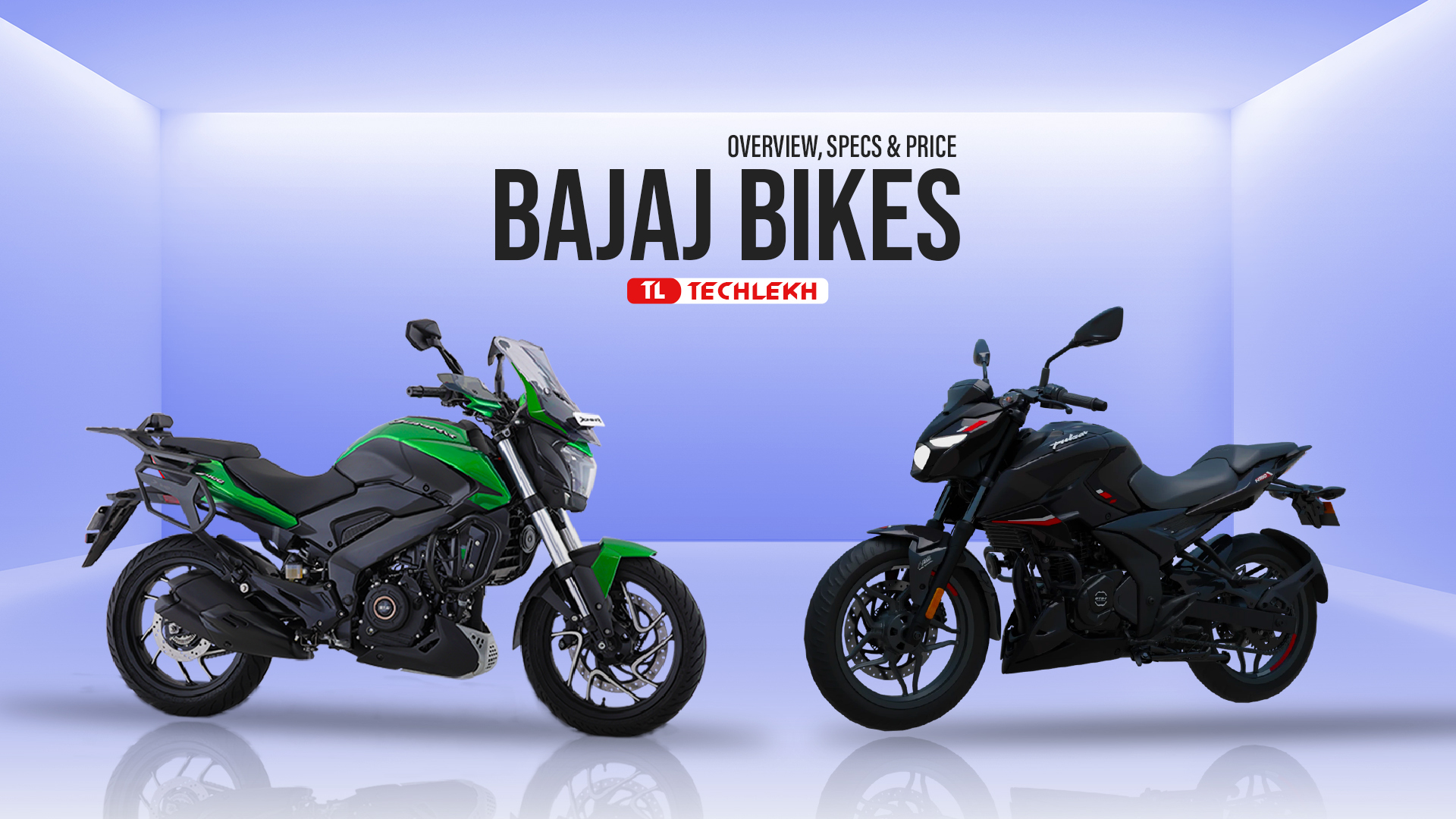
Bajaj Auto continues to be a leading two-wheeler brand in Nepal, offering everything from cost-saving commuters to hardcore performance juggernauts. More importantly, the company has outsold its competition with iconic models like the Bajaj Pulsar 150, Bajaj Pulsar NS 200, Bajaj Pulsar 220 F, and Bajaj Dominar 400.
Here’s a quick breakdown of Bajaj bikes in Nepal:
- Bajaj Dominar Series: The Dominar series is a unique highway tourer, featuring muscular aesthetics and sportier undertones.
- Bajaj Pulsar N Series: The Pulsar N Series is the next generation of Pulsars, introducing all-new engines, chassis, design, and features.
- Bajaj Pulsar NS Series: The Pulsar NS Series is the most popular naked sports bike, packing iconic styling with thrilling performance.
- Bajaj Avenger Series: The Avenger Series is the most popular cruiser bike, delivering a retro-modern package with plenty of interesting features.
- Bajaj Pulsar Series: The stand-alone Pulsar Series is the best-selling Bajaj bike, featuring the iconic Pulsar styling and trusted DTS-i engine.
- Bajaj Discover Series: The Discover Series is an affordable 125cc machine that maintains a good balance of style, performance, and fuel economy.
- Bajaj Platina Series: The Platina Series offers simple packaging and a feature set for a commuter, but claims the highest mileage in this price list
Bajaj Bike Price in Nepal 2026
Bajaj Dominar 400
Bajaj Dominar 400 Summary
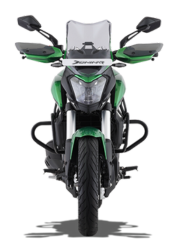
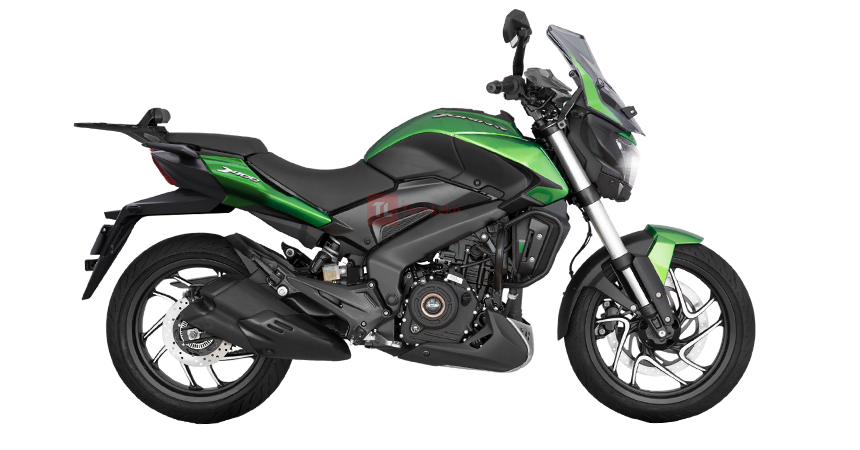
The Bajaj Dominar 400 offers a strong balance between performance and pricing, delivering power that rivals more expensive motorcycles. However, its highway-tourer focus and heavy 193 kg weight limit its appeal in a market like Nepal, where riders often prefer a more versatile, do-it-all motorcycle.






Pros
- Muscular highway tourer
- Power performance with quick pickup
- Comfortable highway ergonomics
Cons
- Heavyweight causes limited agility
- Poor city mileage
- Starting to show its age
Should You Buy?
The Bajaj Dominar 400 comes closest to delivering a true big-bike touring experience in this lineup. With its LED mosaic headlamp, 43mm USD forks, and factory-fitted touring accessories, it looks and feels more premium than most Bajaj offerings. The KTM-derived 373.3cc DOHC engine is punchy yet refined in the low to mid-range, making it well-suited for relaxed cruising. Paired with an upright riding posture, it offers a stable and confident ride in both city traffic and on long highways. Its aggressive pricing further strengthens the package, delivering strong performance without crossing into true premium territory.
That said, the Dominar 400 does come with its share of compromises. At 193kg, it remains the heaviest motorcycle in Bajaj’s lineup, and the factory-fitted touring equipment only adds to that bulk. This weight is felt in everyday riding, affecting agility and fuel efficiency. While the latest updates introduce modern features such as Ride-by-Wire, Riding Modes, Traction Control, and a color LCD console, they do not fundamentally change the Dominar’s character. It remains a capable and stable highway tourer, but despite these additions, the platform is beginning to show its age.

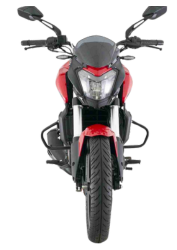
The Bajaj Dominar 400 rivals the Bajaj Pulsar NS 400Z.
Both the Dominar 400 and Pulsar NS400Z use the same KTM-derived 373cc engine and produce identical performance figures. The difference lies in intent. The Dominar is geared for highway touring with its 15/45T sprocket, prioritizing stability and relaxed cruising. The NS400Z, with a 15/46T setup, leans toward stronger low-end and mid-range punch, fitting its streetfighter character.
That contrast is amplified by weight. The NS400Z is nearly 19 kg lighter, which makes it feel quicker, more responsive, and far better in terms of power-to-weight ratio. While the Dominar remains the better choice for long-distance touring, the NS400Z is simply more versatile for everyday riding.
What seals the deal is price. While both the NS400Z and Dominar 400 get the same modern features, there is a price difference of almost Rs. 59,000. At that point, the choice becomes fairly straightforward.
Bajaj Dominar 400 Specifications
- Engine Type: Single-Cylinder, 4-Stroke, 4-Valve, DOHC, Liquid-Cooled, FI
- Displacement: 373.3 cc – BS6
- Performance: 40 PS @ 8800 rpm (Power) / 35 Nm @ 6500 rpm (Torque)
- Gearbox: 6-Speed
- Fuel Tank Capacity: 13 liters
- Mileage: 20-25 kmpl
- Tyre: 110/70-R17 (Front) / 150/60-R17 (Rear)
- Braking System: Dual-Disc with Dual-Channel ABS
- Suspension Setup: 43 mm USD Forks (135mm Travel) and multi-step Adjustable Monoshock (110mm Travel)
- Ground Clearance: 157 mm
- Kerb Weight: 193 kg
- Colors: Aurora Green, Charcoal Black
Bajaj Dominar 400 Price in Nepal: Rs. 6,34,900
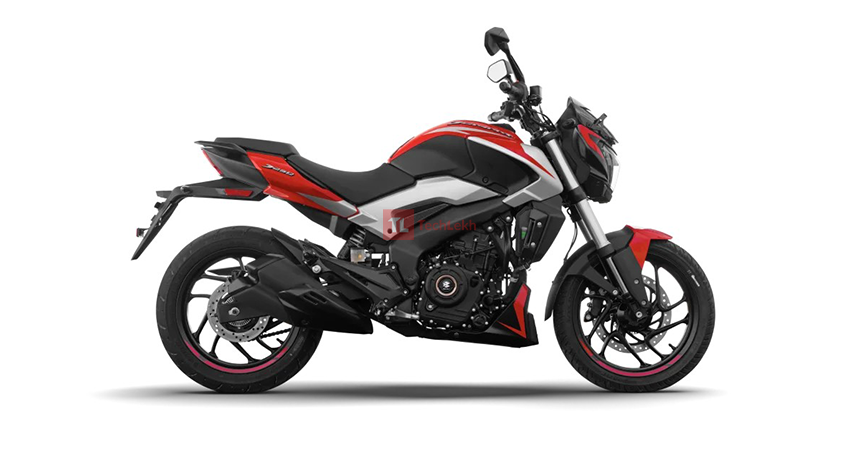
Bajaj Dominar 250
Bajaj Dominar 250 Summary
The Bajaj Dominar 250 brings the Dominar experience into the 250cc segment, retaining its focus on performance, touring comfort, and aggressive pricing. But the hefty 180 kg weight limits its agility and prevents it from reaching its full potential.
Rs. 5,59,900
Pros
- Same characteristics as the Dominar 400
- Refined 250cc FI engine
- Comfortable highway riding ergonomics
Cons
- Less practical due to the heavyweight
- Lack of outstanding features
- Rivals offer better value
Should You Buy?
The Bajaj Dominar 250 brings the Dominar experience into a more accessible package. It stays true to the same touring-focused philosophy as its bigger sibling, powered by a KTM-derived 250cc DOHC engine that feels comfortable in both city traffic and on highways. The feature list mirrors the larger Dominar as well, with highlights like the LED Mosaic headlamp, Assist and Slipper Clutch, USD forks, and Dual-channel ABS. The result is a relatively affordable touring motorcycle that balances decent fuel efficiency with a manageable asking price.
However, that shared DNA also brings shared drawbacks. While the engine is refined and dependable, it lacks the punch of newer rivals. The 180 kg kerb weight remains heavy for the segment, dulling agility and responsiveness in real-world riding. Features that once felt class-leading now feel dated, as competitors offer more performance and tech. In today’s market, the Dominar 250 feels capable, but no longer compelling.
Rivals
The Bajaj Dominar 250 rivals the Bajaj Pulsar N250.
The Pulsar N250 undercuts the Dominar 250 on both price and overall value. It is the more modern Bajaj, with fresher styling, better finish, and an updated feature list. What were once Dominar-only highlights, like USD forks, dual-channel ABS, and a proper digital meter, are all present here as well. On paper, the N250 is down by 2.5 PS and 2 Nm compared to the Dominar. But at 162 kg, it feels noticeably lighter, quicker, and more responsive in real-world riding.
The Dominar 250 still holds an edge with its liquid-cooled DOHC engine and 6-speed gearbox, while the N250 makes do with a simpler air-cooled SOHC and 5-speed setup. That said, with a price gap of nearly Rs. 59,000, the N250’s compromises are far easier to live with. For most riders, it simply makes more sense.
Bajaj Dominar 250 Specifications
- Engine Type: Single Cylinder, 4-stroke, 4-valve, DOHC, Liquid-Cooled, Twin Spark, FI
- Displacement: 248.77 cc – BS6
- Performance: 27 PS @ 8500 rpm (Power) / 23.5 Nm @ 6500 rpm (Torque)
- Gearbox: 6-Speed
- Fuel Tank Capacity: 13 liters
- Mileage: 35 kmpl
- Tyre: 100/80-17 (Front) / 130/70-17 (Rear)
- Braking System: Dual Disc with Dual-Channel ABS
- Suspension Setup: USD Front Forks and Multi-step adjustable Mono shock with Nitrox
- Seat Height: 800 mm
- Ground Clearance: 157 mm
- Kerb Weight: 180 kg
- Colors: Canyon Red and Charcoal Black
Bajaj Dominar 250 Price in Nepal: Rs. 5,59,900
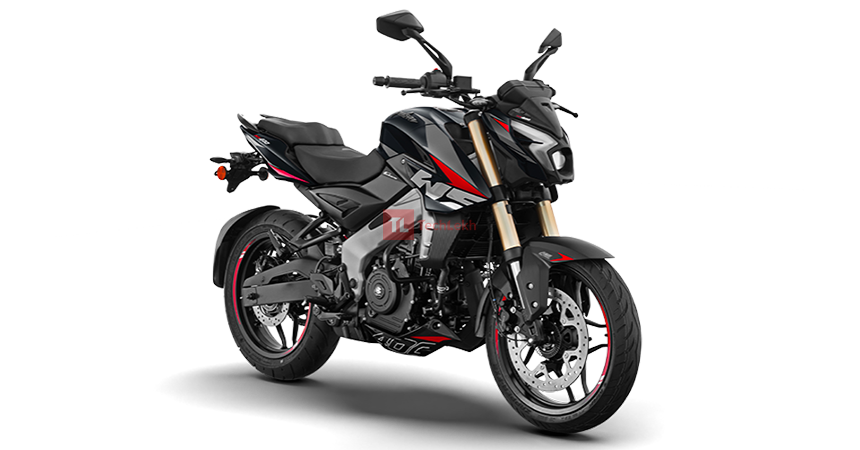
Bajaj Pulsar NS400Z
Bajaj Pulsar NS400 Summary

The Bajaj Pulsar NS400 stays true to the aggressive NS character all at a very competitive price. While the value proposition is strong, there is still room for improvement in areas like overall finish, braking performance, and tyre profile.
Rs. 5,76,900
Pros
- Muscular aesthetics
- Engaging performance with good handling
- Advanced features at an aggressive price
Cons
- Similar styling and build to NS200
- Vibrations at higher RPMs
- Average tyres and braking performance
Should You Buy?
The Bajaj Pulsar NS400Z blends the familiar NS platform with the Dominar 400’s engine to create a value-focused middleweight naked. It works largely because Bajaj has reworked the package with a remapped ECU, revised subframe, upgraded swingarm, and a shorter rear sprocket than the Dominar. At 174 kg, it feels noticeably lighter and more responsive, especially in city traffic. The sportier riding posture adds to the sense of agility, making the bike engaging to ride. Add features like 43mm USD forks, Ride-by-Wire, Traction Control, and multiple ABS modes at this price, and the NS400Z clearly resets expectations for the 400cc segment.
However, that aggressive pricing comes with compromises. The NS400Z relies heavily on shared Pulsar parts, including the older NS chassis and familiar design. As a result, it lacks the premium feel buyers might expect, especially since it looks almost identical to the much cheaper NS200. Engine refinement is another weak point. While the motor is strong, vibrations creep in at higher RPMs, which can take away from the experience. Tyres and braking are also areas where the bike feels held back, though these issues are addressed in the 2026 update with boosted 43PS in Sports Mode, a 150-section wider radial rear tyre, better sintered brake pads, and a sportshifter. Until those updates arrive in Nepal, these drawbacks remain part of the package.
Rivals
Bajaj Pulsar NS400Z rivals the Triumph Speed 400.
Both the Pulsar NS400Z and the Triumph Speed 400 have reshaped the 400cc segment, but they do it in very different ways. The Pulsar achieves it through aggressive pricing and smart parts sharing, while the Speed 400 leans on brand legacy and premium positioning. That approach comes at a cost, with the Triumph priced over Rs. 1 lakh higher than the NS400Z.
ALSO READ: Triumph Bikes Price in Nepal (October 2026 Updated)
On paper, the differences are surprisingly small. The Speed 400 has a 24.88cc larger engine and makes similar power, with about 2.5 Nm more torque. The NS400Z counters with more modern electronics. Fuel tank capacity, ground clearance, and overall size are closely matched, though the Triumph is around 5 kg heavier.
Where the two truly diverge is in experience. The Triumph Speed 400 feels more polished, with superior build quality, slightly 10mm longer suspension travel, and a more refined ride. It presents itself as a modern-classic roadster, blending retro-inspired design with premium materials and an upscale feel. It costs more, but the premium is easy to sense.
Meanwhile, the Pulsar NS400Z is all about value. It delivers near-identical performance with a longer feature list at a much lower price. It is aggressive, raw, and aimed squarely at riders who want maximum performance per rupee. That said, its value-focused image works against it. For many buyers in this segment, the temptation to stretch the budget and opt for the Triumph’s refinement and brand appeal is hard to ignore.
Bajaj Pulsar NS400 Specifications
- Engine Type: Single cylinder, 4-stroke, 4-valve, Liquid-cooled, DOHC with DLC Coated, FI
- Displacement: 373.27 cc – BS6
- Performance: 40 PS @ 8800 rpm (Power) / 35 Nm @ 6500 rpm (Torque)
- Gearbox: 6-Speed
- Fuel Tank Capacity: 12 liters
- Mileage: 28 kmpl
- Tyre: 110/70-17 (Front) / 140/60-17
- Braking System: Dual-Disc with Dual-Channel ABS
- Suspension Setup: Upside Down Forks and Multi-Step Adjustable Mono Shock with Nitrox
- Seat Height: 807 mm
- Ground Clearance: 168 mm
- Kerb Weight: 174 kg
- Colors: Brooklyn Black, Glossy Racing Red, Pewter Grey, and Pearl Metallic White
Bajaj Pulsar NS400 Price in Nepal: Rs. 5,76,900
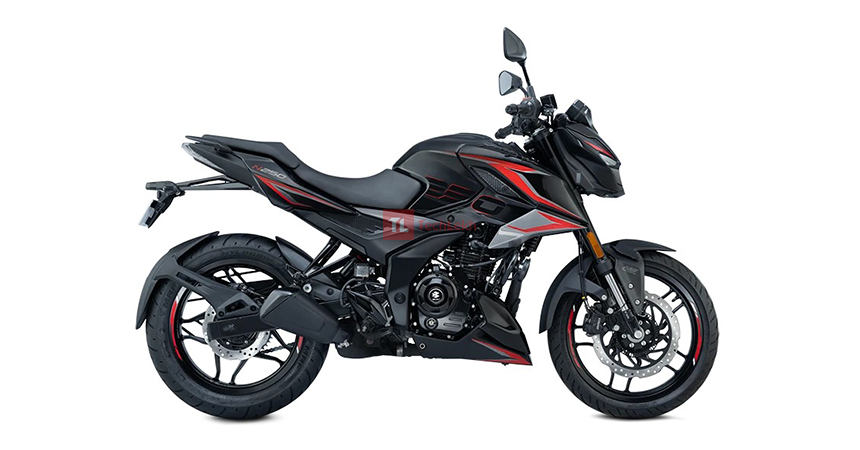
Bajaj Pulsar N250
Bajaj Pulsar N250 Summary
The Bajaj Pulsar N250 carries the Pulsar legacy into the 250cc space with meaningful upgrades that move the lineup forward. However, Bajaj has deliberately held back on performance-focused hardware, likely to prevent it from overshadowing other Pulsars in the range.
Rs. 5,00,900 (USD Fork)
Pros
- Modern and muscular styling
- Responsive and refined performance
- Updated quality-of-life features
Cons
- Performance hardware could have been better
- Electronics could be better
- Misses out on radial tyre
Should You Buy?
The Bajaj Pulsar N250 blends muscular styling with refined performance at a price that is hard to ignore. The familiar Pulsar punch is still present, but the 250cc platform smooths things out noticeably. Its wide torque band, with 85% of peak torque available across a broad rev range, makes acceleration feel quick and effortless in almost any gear. It was already a strong value proposition, and updates like USD forks, ABS modes, Traction Control, and a Digital Meter only strengthen its appeal. The N250 strikes a smart balance between everyday usability and just enough excitement, making it friendly for newer riders while still engaging for experienced ones.
That said, the update also highlights Bajaj’s cautious approach. A 250cc motorcycle with an oil-cooled SOHC engine and a 5-speed gearbox feels underwhelming by today’s standards. It appears Bajaj has deliberately held it back, perhaps to position it as a modern successor to the old 220F. However, the N250 would have benefited from an engine philosophy closer to the NS200. The same restraint shows in the features. Proper riding modes or ride-by-wire would have felt more appropriate than simplified ABS modes and a cable throttle. The biggest miss is the absence of radial tyres. While the wider 140-section rubber improves comfort, radial tyres would have significantly boosted cornering confidence and overall performance.
Rivals
Bajaj Pulsar N250 rivals the Bajaj Pulsar 220F.
When it launched, the Pulsar F250 was positioned as the successor to the iconic Pulsar 220F. On paper, the link made sense. Both use a SOHC, oil-cooled engine paired with a 5-speed gearbox. However, the newer N250 clearly moves the game forward. Its larger 29cc engine makes 3.6 PS more power and 2.95 Nm more torque, and that advantage carries across almost every area.
The N250 is stronger on hardware with a USD instead of a telescopic fork, far ahead on features with ABS modes and Traction Control, and safer with Dual-Channel ABS instead of Single-Channel. Even the tyre setup is more substantial, with a wider 110-section front and 140-section rear compared to the 220F’s slimmer rubber. All of this comes at a premium of around Rs. 61,000, which is easy to justify on paper.
Yet, despite all this, it is the Pulsar 220F that still commands the bigger following. The reason is simple. The 220F did not try to replace anything when it arrived. It defined its segment at launch, offering hardware that was genuinely ahead of its time. That is where the N250 struggles. It feels like it is trying to recreate the magic of the 220F instead of carving out its own identity. The same mindset hurt the F250, and it is why the N250, despite being better in almost every measurable way, fails to spark the same excitement.
This is exactly why the N160 works. It is not trying to replace the Pulsar 150. In contrast, the Pulsar P150 tried to take over that role and failed outright.
Bajaj Pulsar N250 Specifications
- Engine Type: Single Cylinder, 4-Stroke, SOHC, 2-Valve, Oil-Cooled Twin Spark, FI
- Displacement: 249.07 cc – BS6
- Performance: 24.5 PS @ 8750 rpm (Power) / 21.5 Nm @ 6500 rpm (Torque)
- Gearbox: 5-Speed
- Fuel Tank Capacity: 14 liters
- Mileage: 30-35 kmpl
- Tyre:
- 100/80-17 (Front) / 130/70-17 (Rear) in STD
- 110/80-17 (Front) / 140/70-17 (Rear) in USD
- Braking System: Dual-Disc with Dual-Channel ABS
- Suspension Setup:
- 37mm Telescopic Forks and Multi-step adjustable Mono shock with Nitrox (STD)
- 37mm USD Telescopic Forks and Multi-step adjustable Mono shock with Nitrox (USD)
- Seat Height: 795 mm
- Ground Clearance: 165 mm
- Kerb Weight: 162 kg (STD) / 164 kg (USD)
- Colors: Brooklyn Black, Racing Red, and Pearl Metallic White
Bajaj Pulsar N250 Price in Nepal: Rs. 4,57,900 – Rs. 5,00,900
Bajaj Pulsar NS 200
Bajaj Pulsar NS 200 Summary
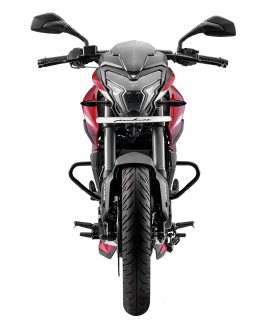
The Bajaj Pulsar NS200 remains a popular performance-focused streetfighter in this lineup. With the latest update, it continues to feel engaging and relevant. However, its build quality and overall finish still lag behind newer and modern Pulsar models.
Rs. 3,93,900 (BS4 Carb – ABS)
Rs. 4,01,900 (BS4 FI – ABS)
Rs. 4,13,900 (BS6 FI – ABS)
Rs. 4,51,900 (BS6 FI – Dual-ABS)
Pros
- Iconic naked sports styling
- Rev-happy performance
- Updated modern features
Cons
- Starting to feel dated
- Lacking low-end performance and noticeable vibrations
- The build and finish could be better
Should You Buy?
The Bajaj Pulsar NS200 carries one of the most recognizable designs in the Pulsar lineup. Its muscular styling and raw performance have always been its strongest traits. Over time, Bajaj has added meaningful updates to keep it relevant, and the latest version finally brings in long-missing features like USD forks, Dual-Channel ABS, a digital instrument cluster with Bluetooth connectivity, full LED lighting, and repositioned DRLs. These upgrades significantly improve the everyday experience compared to older models.
That said, the NS200 is starting to show its age. While fresh graphics and new features help on the surface, the core package remains largely unchanged from its decade-old foundation. Engine refinement is still a concern, with vibrations becoming noticeable at higher RPMs, and the overall build quality and finish no longer feel as solid or premium as the newer N-Series Pulsars.
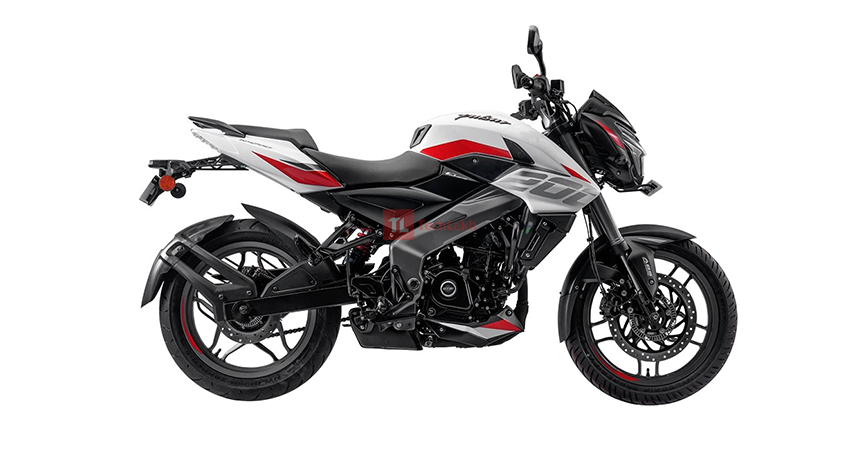
Variants
Bajaj Pulsar NS 200 is available across four variants in Nepal. While these variants share the same styling and features, there are critical differences in Pricing, Engine Technology, and Features.
Here’s a quick breakdown of the Bajaj Pulsar NS 200 variants in Nepal for 2026:
| Bajaj Pulsar NS200 Variant | BS4 – ABS Carb | BS4 – ABS FI | BS6 – ABS FI | BS6 – Dual-ABS FI |
|---|---|---|---|---|
| Price in Nepal 2026 | Rs. 393900 | Rs. 401900 | Rs. 413900 | Rs. 451900 |
| Engine | Carb | FI | FI | FI |
| Headlight | Halogen | Halogen | Halogen | LED |
| Indicators | Halogen | Halogen | Halogen | LED |
| ABS | Front ABS | Front ABS | Front ABS | Dual-ABS |
| Suspension | Telescopic | Telescopic | Telescopic | USD |
| Meter | Analog-Digital | Analog-Digital | Analog-Digital | Digital |
| Bluetooth Connectivity | - | - | - | Yes |
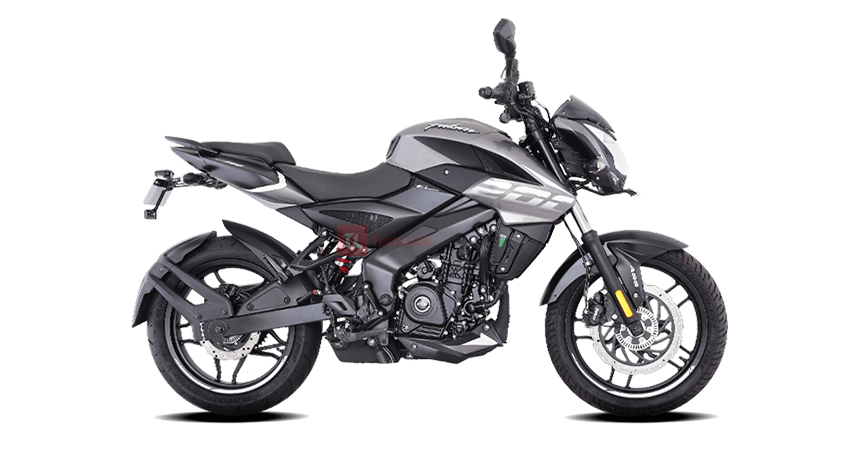
Rivals
Bajaj Pulsar NS 200 rivals KTM Duke 200 and TVS Apache RTR 200 4V.
The Duke 200 and Pulsar NS200 share the same engine roots, but their tuning sets them apart. The Pulsar uses a SOHC setup, while the Duke runs a DOHC configuration. This gives KTM a small edge with 1.5 PS more power and 1 Nm more torque. The Duke feels sharper on the throttle and more responsive overall. KTM also leads on hardware with WP APEX suspension and radial-mounted brake calipers. That said, Bajaj counters with value. The top-spec NS200 now packs an all-LED setup, USD forks, Dual-channel ABS, and a digital meter with smartphone connectivity. This costs around Rs. 1.5 lakh less than the Duke 200, which is hard to ignore.
ALSO READ: KTM Bikes Price in Nepal (October 2026 Updated)
The Apache RTR 200 4V takes a different route. Its SOHC oil-cooled engine makes 3.7 PS less power and 1.35 Nm less torque, but it stands out with features. Adjustable levers, functional Riding Modes, preload-adjustable suspension, and a radial rear tyre give it an edge over the lower NS variants. Even against the top-spec NS200, the Apache’s biggest advantage is price, coming in roughly Rs. 51,000 cheaper.
Taken as a whole, the Pulsar NS200 Dual-ABS strikes a strong balance between performance, features, and safety. For riders chasing maximum value for money, it continues to make a very compelling case.
Bajaj Pulsar NS 200 Specifications
- Engine Type: Single-Cylinder, 4-stroke, 4-Valve, SOHC, Liquid-Cooled, Triple Spark
- Displacement: 199.5cc – BS6/BS4
- Performance:
- 24.5 PS @ 9750 rpm (Power) / 18.6 Nm @ 8000 rpm (Torque) – FI
- 23.5 PS @ 9500 rpm (Power) / 18.3 Nm @ 8000 rpm (Torque) – Carb
- Gearbox: 6-Speed
- Fuel Tank Capacity: 12 liters
- Mileage: 35 kmpl
- Tyres: 100/80-17 (Front) / 130/70-17 (Rear)
- Braking System:
- Dual-Channel ABS
- Single-Channel ABS
- Suspension Setup:
- 33mm USD Telescopic Fork with Nitrox Mono Shock in Dual-ABS
- Telescopic with Anti-Friction Bush and Nitrox Mono Shock
- Seat Height: 805 mm
- Ground Clearance: 169 mm
- Kerb Weight: 152 kg – 158 kg
- Colors:
- Wine Red-White, Ebony Black, Pearl White, Grey-Blue in BS4
- Ebony Black and Metallic Pearl White in BS6
Bajaj Pulsar NS 200 Price in Nepal: Rs. 3,93,900 – Rs. 4,51,900
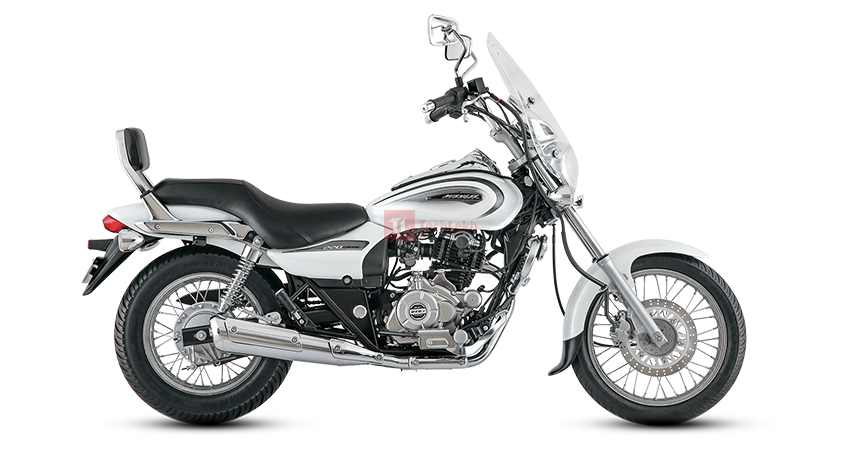
Bajaj Avenger 220 Cruise
Bajaj Avenger 220 Summary
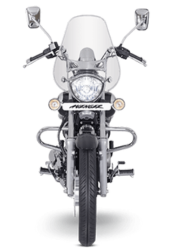
The Bajaj Avenger 220 Cruise delivers a relaxed cruising experience with its torquey engine, low seat height, soft suspension, and forward-set footpegs. However, the complete lack of meaningful modern updates continues to hold the Avenger lineup back.
Rs. 4,32,900 (BS4)
Pros
- Comfortable ergonomics
- Good for highway cruising
- Tried and tested 220cc engine
Cons
- Older BS4 carburetor engine
- Lack of modern features
- Limited appeal
Should You Buy?
As the market shifts from naked bikes to adventure tourers, the Bajaj Avenger 220 Cruise remains one of the few true cruisers left in Nepal. It has long led this segment because it offers something genuinely different. The low-slung seat, forward-set footpegs, long wheelbase, and pulled-back handlebars create a relaxed riding posture that shines on the highway. As the flagship Avenger, it also carries a premium feel with its classic headlamp design, LED DRLs, digital meter, chrome accents, and a large windscreen. All of this is paired with the familiar 220cc engine, which delivers smooth refinement, usable torque, and comfortable cruising performance.
But that simplicity now feels dated. Bajaj has largely ignored the Avenger 220 Cruise when it comes to meaningful updates. The BS4-era carbureted engine feels outdated, and the disc-drum braking setup without ABS is hard to justify at this price, especially when the smaller Avenger 160 gets single-channel ABS. As a result, the 220 Cruise struggles to justify its asking price. It feels like Bajaj has quietly sidelined the Avenger lineup, choosing instead to focus on the far more active and evolving Pulsar range.
Rivals
The Bajaj Avenger 220 continues to dominate Nepal’s cruiser segment largely due to the absence of direct competitors. Despite its lack of modern features, it still appeals to riders with its refined performance, comfortable ride quality, and relaxed, stress-free cruising experience.
However, buyers now have a few reasonable alternatives in this price range, such as the Royal Enfield Meteor 350 and TVS Ronin 225. While these aren’t traditional cruisers like the Avenger, they offer a more modern take with updated tech, fresher styling, and better overall value in line with current market standards.
Bajaj Avenger 220 Cruise Specifications
- Engine Type: Single Cylinder, Twin Spark, 2-valve, Oil-Cooled DTS-I
- Displacement: 220cc – BS4
- Performance: 19.03 PS @ 8400 rpm (Power) / 17.5 Nm @ 7000 rpm (Torque)
- Gearbox: 5-Speed
- Fuel Tank Capacity: 13 liters
- Mileage: 35 kmpl
- Tyre: 90/90-17 (Front) / 130/90-15 (Rear)
- Braking System: Disc-Drum Braking
- Suspension Setup: Telescopic with Anti-Friction Bush and Twin Shock Absorber
- Seat Height: 737 mm
- Ground Clearance: 169 mm
- Kerb Weight: 163 kg
- Colors: Auburn Black, Moon White
Bajaj Avenger 220 Cruise Price in Nepal: Rs. 4,32,900
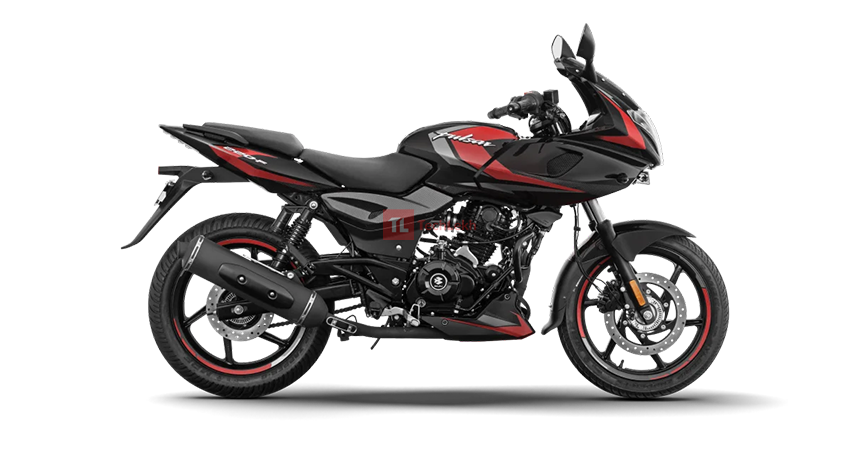
Bajaj Pulsar 220F
Bajaj Pulsar 220F Summary
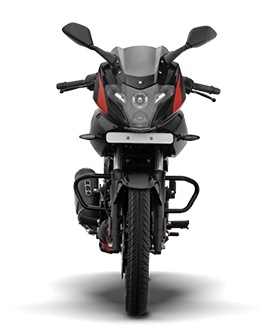
The Bajaj Pulsar 220F brings a balanced performance and affordability in a new updated packaging. While the new updates have modernized this iconic semi-faired offering with new features, it still largely remains unchanged.
Rs. 4,39,900 (BS6 – FI)
Rs. 4,19,900 (BS4 – Carb) *till stock lasts
Pros
- Iconic Pulsar design
- New and improved BS6 FI engine
- Strong after-sales
Cons
- Average build quality
- Misses out on advanced features
- Same yellow headlamp setup
Should You Buy?
The Bajaj Pulsar 220F is a legendary name in Nepal’s motorcycle scene. Its instantly recognizable semi-faired design has always been one of its biggest strengths, backed by the familiar 220cc DTS-i engine known for strong all-round performance. With the latest update, the engine finally moves to BS6, retaining almost identical performance while improving reliability and efficiency. The punchy acceleration, strong top-end, and signature exhaust note remain intact.
Updates like new graphics, a fully digital meter, and LED indicators add a layer of modernity, while the bike continues to offer solid value. A major part of the 220F’s appeal also comes from Bajaj’s strong after-sales network, easy parts availability, and excellent resale value, which is among the best in the Pulsar lineup.
That said, the Pulsar 220F is still built on an older platform. The overall build quality and finish do not match the newer N-series Pulsars. More importantly, Bajaj has avoided a full-scale update. Features like Dual-Channel ABS, LED projector headlamps, wider tyres, advanced electronics, or USD forks would have significantly improved its proposition. But adding those would risk overlapping with the NS200 and N250. This is where the 220F’s legacy becomes both its strength and its limitation. Its long-standing success has kept it relevant, but it has also held the bike back from evolving further, which becomes even clearer with this update.
Rivals
Bajaj Pulsar 220F rivals the Bajaj Pulsar NS 200.
Both belong to older Pulsar generations that have since been updated, but the NS200 has clearly received a more thorough upgrade. It gets an all-LED setup, LCD meter, USD forks, and Dual-Channel ABS. Even the wider 100/80 front and 130/70 rear tyres give it an edge in cornering, stability, and overall performance.
That advantage grows when you look at performance. Despite similar torque figures, the NS200 makes 3.6 PS more power and pairs it with a 6-speed gearbox. The result is stronger highway performance, all for just Rs. 12,000 more than the new Pulsar 220F.
Yet, the 220F will still attract buyers. It has a loyal fanbase because it can comfortably handle everything you throw at it. It carries a legacy that few motorcycles can match. So while the NS200 is clearly the more modern and better-equipped choice, the Pulsar 220F’s charm and legendary status still hold strong appeal.
Bajaj Pulsar 220F Specifications
- Engine Type: Single-cylinder, 2-valve, Oil-Cooled, DTS-I
- Displacement: 220cc – BS6/BS4
- Performance:
- 20.9 PS @ 8500 rpm (Power) / 18.55 Nm @ 7000 rpm (Torque) in BS6
- 21 PS @ 8500 rpm (Power) / 19.12 Nm @ 7000 rpm (Torque) in BS4
- Gearbox: 5-Speed
- Fuel Tank Capacity: 15 liters
- Mileage: 35 kmpl
- Tyre: 90/90-17 (Front) / 120/80-17 (Rear)
- Braking System: Dual-Disc with Single-Channel ABS
- Suspension Setup: Telescopic with Anti-Friction Bush and Twin Shock Absorber
- Seat Height: 795 mm
- Ground Clearance: 165 mm
- Kerb Weight:
- 160 kg in FI – BS6
- 152 kg in Carb – BS4
- Colors:
- Black Cherry Red, Black Ink Blue, Black Copper Beige, Green Light Copper in FI – BS6
- Sparkle Black in Carb – BS4
Bajaj Pulsar 220F Price in Nepal: Rs. 4,19,900 (Carb – BS4) / Rs. 4,39,900 (FI – BS6)
Bajaj Pulsar N160
Bajaj Pulsar N160 Summary
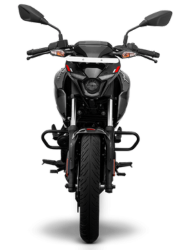
The Bajaj Pulsar N160 carries forward the Pulsar legacy by raising the bar in the 160cc class with segment-leading features. While it does not match the feature of its larger 250cc sibling, it sets a strong benchmark for value, balancing performance, safety, and pricing.
Rs. 4,06,900 (Telescopic Fork)
Rs. 4,19,900 (USD Fork)
Pros
- Refined and punchy performance
- Updated with segment-leading features
- Excellent value proposition
Cons
- Misses out on N250 exclusive features
- Stiffer rear suspension setup
- Lack of radial tyre
Should You Buy?
The Bajaj Pulsar N160 revived the Pulsar name by getting the fundamentals right. It marked a clear shift from the older oil-cooled twin-spark setup to a simpler air-cooled single-spark engine, improving efficiency and long-term reliability while retaining the Pulsar’s signature wide torque band. That mechanical update is backed by segment-leading features like Dual-Channel ABS, ABS modes, a digital instrument cluster, and USD forks. Together, these elements create a strong value proposition, delivering modern Pulsar performance with class-leading safety and hardware at a competitive price.
That said, the N160 does have its limits. Being a 160cc platform, it deliberately holds back features seen on the N250, such as Traction Control, a Slipper Clutch, and more advanced ABS modes. This is less a flaw and more an industry norm. Still, the package could have been stronger with a 6-speed gearbox instead of the existing 5-speed unit. At the very least, 110/80-section and 140/70-section wider tyres or radial rubber would have significantly improved cornering confidence. These omissions feel like avoidable cost-cutting on an otherwise well-rounded motorcycle.
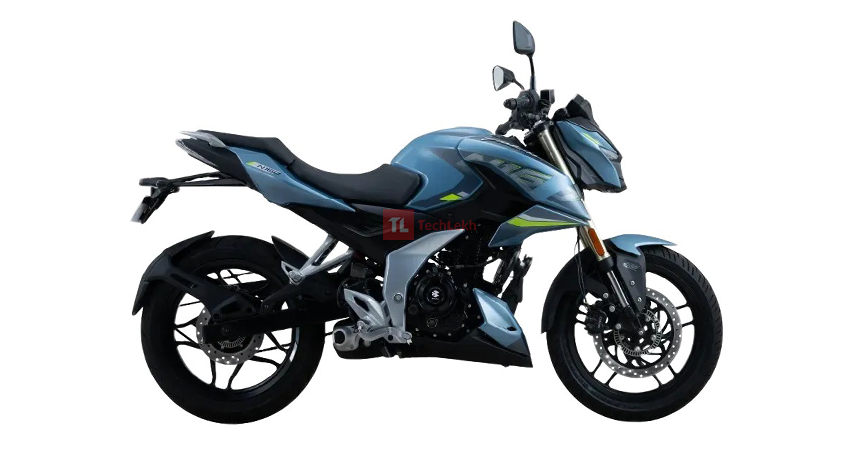
Variants
The Bajaj Pulsar N160 comes in two variants: Standard and USD. Both variants share the same engine and come equipped with Dual-Channel ABS as standard. However, the top-end N160 USD brings in several premium upgrades, including a 37mm Upside-Down Fork, multiple ABS modes, and turn-by-turn navigation support.
Here is a quick difference between the Pulsar N160 variants in Nepal:
| Bajaj Pulsar N160 Variants | Telescopic Fork | USD Fork |
|---|---|---|
| Price in Nepal | Rs. 406900 | Rs. 419900 |
| Suspension | 37mm Telescopic | 37mm USD Fork |
| Meter | Analog-Digital | Fully Digital |
| Bluetooth Connectivity | - | Yes |
| ABS Modes | - | Yes |
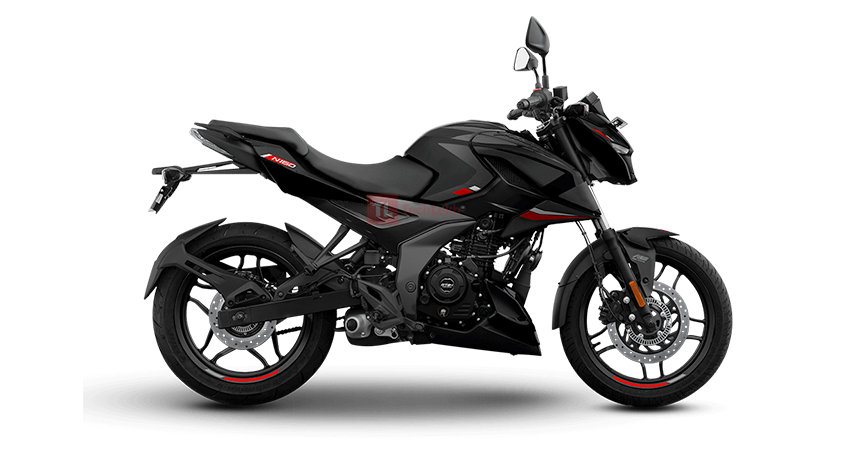
Rivals
Bajaj Pulsar N160 rivals TVS Apache RTR 160 4V.
The Apache RTR 160 4V leans heavily into performance. With ride modes, a lighter overall package, and a 4-valve engine, it still leads the segment on paper, producing 1.55 PS more power than the N160. Features like Glide Through Technology, adjustable levers, and the Bullpup exhaust add to its sporty feel. All of this comes at nearly Rs. 30,000 less, which naturally puts pressure on the N160’s value proposition.
However, Bajaj answers back with the N160 UG2 updates. Compared to the Apache, the Pulsar feels more mature and muscular in its overall character. More importantly, it brings segment-first Dual-Channel ABS and 37mm USD forks, giving it a clear edge over the Apache’s single-channel ABS and conventional telescopic suspension.
For now, that balance keeps the Pulsar N160 ahead in terms of overall value. The Apache RTR 160 4V will only truly challenge it again with a proper next-generation update. Until then, the N160 continues to hold its ground in the segment.
Bajaj Pulsar N160 Specifications
- Engine Type: Single Cylinder, SOHC, 2 Valve, Air-cooled, FI
- Displacement: 164.82 cc – BS6
- Performance: 16 PS @ 8750 rpm (Power) / 14.65 Nm @ 6750 rpm (Torque)
- Gearbox: 5-Speed
- Fuel Tank Capacity: 14 liters
- Mileage: 40 kmpl
- Tyre: 100/80-17 (Front) / 130/70-17 (Rear)
- Braking System: Dual Disc with Dual-Channel ABS
- Suspension Setup:
- 37mm USD Forks and 5-Step Adjustable Mono Shock in USD
- 37mm Telescopic Forks and 5-Step Adjustable Mono Shock in Standard
- Seat Height: 795 mm
- Ground Clearance: 165 mm
- Kerb Weight: 152 kg (USD) / 154 kg (Standard)
- Colors:
- Brooklyn Black, Caribbean Blue in Standard
- Brooklyn Black, Polar Sky Blue, Pearl Metallic White in USD
Bajaj Pulsar N160 Price in Nepal: Rs. 4,06,900 – Rs. 4,19,900
Bajaj Pulsar NS 160
Bajaj Pulsar NS 160 Summary
The Bajaj Pulsar NS160 has grown into a compelling 160cc streetfighter with its latest updates. It feels sharper and more capable than before, fixing many of its earlier shortcomings. While a few rough edges remain, they now come across more as part of its character than true drawbacks.
Rs. 3,92,900 (BS6 – Dual-ABS)
Pros
- Sporty graphics with aggressive decals
- Upgraded modern features
- Boosted performance with the FI engine
Cons
- Misses out on NS200 exclusive features
- Vibrations above 5000 rpm
- Build quality and finish could be better
Should You Buy?
The Bajaj Pulsar NS160 has come a long way since its initial launch. The latest update brings meaningful quality-of-life improvements, including refreshed graphics, USD forks, and the same tyre profile as the larger NS200. Paired with the updated BS6 engine, it now produces 1 PS more power than the new-gen N160. This advantage is felt in its sportier nature and strong cornering ability, helped by the perimeter frame and a stiff suspension setup that rewards aggressive riding.
To avoid overlapping with the NS200, Bajaj has intentionally held back a few updates. The NS160 still misses out on a new Digital meter and an LED headlamp. What also divides opinion is engine character. It is a rev-happy motor that delivers its best performance higher up the rev range. While it remains refined at lower RPMs, the lack of strong low-end torque makes it feel underwhelming in stop-and-go traffic or relaxed city riding. To truly enjoy the NS160, the engine needs to be worked harder, staying in the higher revs where its character comes alive.

Rivals
Bajaj Pulsar NS160 rivals the Bajaj Pulsar N160.
Before the update, the answer was clearly the Pulsar N160. Now, the choice is less straightforward because both the N160 and NS160 offer distinctly different strengths. The Pulsar N160 is the more modern, feature-focused option. It delivers smoother refinement, a stronger wide-band torque feel, and a more relaxed riding posture. Features like LED DRLs, USB charging, and its cleaner, premium design inspired by the N250 make it easier to live with every day.
On the other hand, the Pulsar NS160 leans heavily toward performance. Built on an older but lighter platform, it feels sharper, more rev-happy, and more engaging when pushed. It is clearly better in terms of cornering confidence and a sportier agility. Since both bikes now offer USD forks and Dual-channel ABS, the decision comes down to personality.
The N160 excels in refinement and daily usability, while the NS160 stands out for its character and excitement. Ultimately, the right choice depends on what you seek from a bike.
Bajaj Pulsar NS 160 Specifications
- Engine Type: Single-Cylinder, 4 Stroke, 4-Valve, SOHC, Oil-Cooled, DTS-i
- Displacement: 160.3 cc – BS6
- Performance: 17 PS @ 9000 rpm (Power) / 14.6 Nm @ 7250 rpm (Torque)
- Gearbox: 5-Speed
- Fuel Tank Capacity: 12 liters
- Mileage: 40 kmpl
- Tyre: 100/80-17 (Front) / 130/70-17 (Rear)
- Braking System: Dual-Channel ABS
- Suspension Setup: 33mm USD Telescopic Fork and Nitrox Mono Shock Absorber with Canister
- Seat Height: 804 mm
- Ground Clearance: 170 mm
- Kerb Weight: 152 kg
- Colors: Ebony Black and Metallic Pearl White
Bajaj Pulsar NS 160 Price in Nepal: Rs. 3,92,900
Bajaj Avenger 160 Street
Bajaj Avenger 160 Summary
The Bajaj Avenger 160 Street stands out for its solid build, comfortable riding posture, and decent fuel economy. However, it is still based on the older BS4 configuration and misses out on modern features.
Rs. 3,89,900 (BS4)
Pros
- Easy cruiser ergonomics
- Sporty feel with premium metal build
- Single-Channel ABS as standard
Cons
- Older BS4-compliant engine
- Lack of modern features
- Underwhelming offering for the price
Should You Buy?
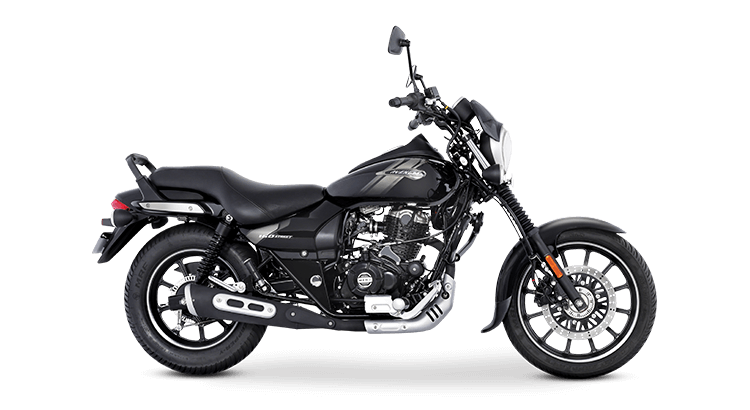
The Bajaj Avenger 160 Street brings the laid-back cruiser formula of the Avenger 220 into the 150–160cc segment. It delivers the same relaxed riding experience, helped by the low 737 mm seat height and front-set footpegs. While the 160cc engine is modest, its mid-range performance works well for city riding. Compared to the Avenger 220 Cruise’s classic look, the 160 Street leans toward a sportier character with Fork Gaiters, Alloy Wheels, a Blacked-out Exhaust, and a Visor. The metal body panels also give it a solid and premium feel. It still uses a Disc–Drum setup like its bigger sibling, but at least adds Single-channel ABS.
That said, the entire Avenger lineup shares the same problem. The platform is outdated and has seen almost no meaningful updates. Look past the cruiser appeal, and the spec sheet feels stuck in the mid-2010s, with a Carbureted Engine, an Analog Meter, and a Halogen Headlamp. Even the Indian version only adds Fuel Injection, leaving everything else unchanged. While it remains one of the more affordable cruiser-style motorcycles, the package feels thin for the price. More than anything, it shows how long the Avenger range has been neglected and how overdue it is for a proper update.
Rivals
Bajaj Avenger 160 Street rivals the Suzuki Intruder.
However, the Intruder has now been discontinued due to its lack of acceptance in this segment. That leaves Bajaj as the only major brand offering a cruiser at this price point in Nepal. While the market has clearly shifted toward adventure tourers, the Avenger 160 Street still exists for riders who prefer a traditional, laid-back cruiser experience.
Bajaj Avenger 160 Street Specifications
- Engine Type: Single-Cylinder, 2-valve, Air-Cooled, DTS-I
- Displacement: 160.37 cc – BS4
- Performance: 15 PS @ 8500 rpm (Power) / 13.5 Nm @ 7000 rpm (Torque)
- Gearbox: 5-Speed
- Fuel Tank Capacity: 13 liters
- Mileage: 40 kmpl
- Tyre: 90/90-17 (Front) / 130/90-15 (Rear)
- Braking System: Disc/Drum with Single-Channel ABS
- Suspension Setup: Telescopic with Anti-Friction Bush and Twin Shock Absorber
- Seat Height: 737 mm
- Ground Clearance: 169 mm
- Kerb Weight: 154 kg
- Colors: Ebony Black, Spicy Red
Bajaj Avenger 160 Street Price in Nepal: Rs. 3,89,900
Bajaj Pulsar N150
Bajaj Pulsar N150 Summary
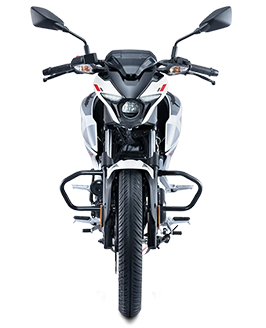
The Bajaj Pulsar N150 feels modern, exciting, and well-rounded in the 150cc segment. However, the disc–drum braking setup feels like unnecessary cost-cutting that holds back an otherwise strong package.
Rs. 3,76,900 (BS6)
Pros
- Muscular and aggressive N-Series styling
- Updated 150cc platform
- Single-channel ABS
Cons
- Awkward styling
- Disc-drum setup
- Discontinued in India
Should You Buy?
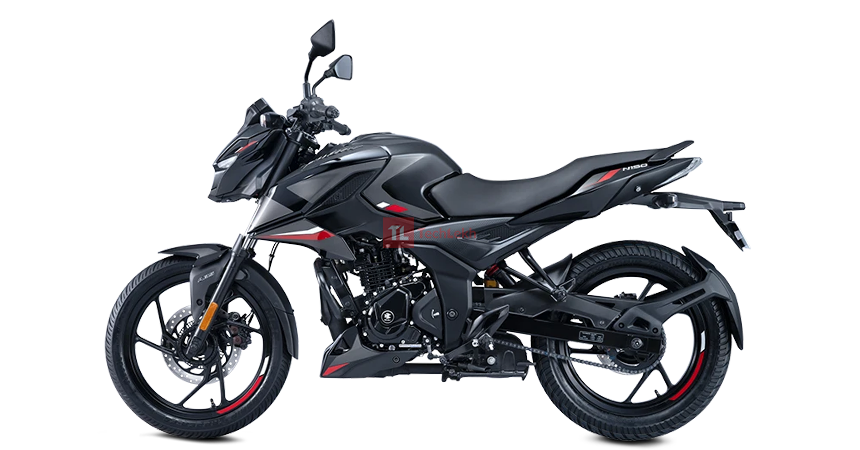
The Bajaj Pulsar N150 brings the N-Series design language to the 150cc segment. Built on the P150 platform, it combines modern styling, a refined engine, and everyday usability. It sits between the Pulsar 150 and the N160, positioned as a commuter-first motorcycle with a fresher look. That positioning brings compromises. Compared to the N160, it gets slimmer 31mm forks instead of 37mm units, thinner tyres, and a Disc-Drum setup with Single-channel ABS rather than Dual Disc with Dual-channel ABS. In return, it offers better fuel efficiency, a more comfortable single seat, and the practicality of a kick-start, features missing on the N160.
However, the N150 has its own struggles. The single-seat layout does not suit the sharp N-Series styling, especially in the side profile, which makes it feel less cohesive than the N160. More importantly, the comparison with the N160 is unavoidable. The bikes look too similar, yet the N150 feels like a cost-cutting version rather than a well-defined alternative. Spend a little more, and the N160 delivers a clear jump in performance, ride quality, and safety. That gap is hard to ignore, and the market has already responded. Poor sales in India led Bajaj to discontinue the N150 altogether, choosing instead to offer a single-seat version of the N160. That decision says everything about where the value truly lies.
Bajaj Pulsar N150
Rivals
Bajaj Pulsar N150 rivals Yamaha FZS v2 and TVS Apache RTR 160 2V.
The Pulsar N150 makes a stronger value case than the FZS v2 while costing around Rs. 10,000 less. Despite sharing the same front-disc and rear-drum setup, it adds Single-Channel ABS. Bajaj further sweetens the package with an LED projector headlamp, a kick starter, and a larger digital display. It also produces 1.3PS more power. While it may not match Yamaha’s refinement and efficiency, it feels stronger and more engaging on the road.
However, the Apache RTR 160 2V goes even further. Priced roughly Rs. 30,000 below the N150, it delivers exceptional value with higher power output, a Dual-disc setup with Single-Channel ABS as standard, and features like RT-Fi, Riding modes, an LED headlamp, and a SmartXonnect-enabled digital cluster. Notably, TVS Nepal achieves this without cutting back on safety.
ALSO READ: Yamaha Bikes Price in Nepal (October 2026 Updated)
In pure performance terms, all three are closely matched. The difference lies in priorities. Yamaha leads in fuel efficiency and resale. Bajaj offers strong service support and affordable ownership. And, TVS stands out with the most feature-rich and performance-focused package for the price.
Bajaj Pulsar N150 Specifications
- Engine Type: Single Cylinder, 4 strokes, SOHC, 2 Valve, Air Cooled, FI
- Displacement: 149.68 cc – BS6
- Starting Mechanism: Self-Starter
- Performance: 14.5 PS @ 8500 rpm (Power) / 13.5 Nm @ 6000 rpm (Torque)
- Gearbox: 5-Speed
- Fuel Tank Capacity: 14 liters
- Mileage: 45 kmpl
- Tyre: 90/90-17 / 120/80-17 (rear)
- Braking System: Disc/Drum with Single-Channel ABS
- Suspension Setup: Telescopic Forks and Multi-step adjustable Mono shock with Nitrox
- Seat Height: 790 mm
- Ground Clearance: 165 mm
- Kerb Weight: 145 kg
- Colors: Brooklyn Black, White
Bajaj Pulsar N150 Price in Nepal: Rs. 3,76,900
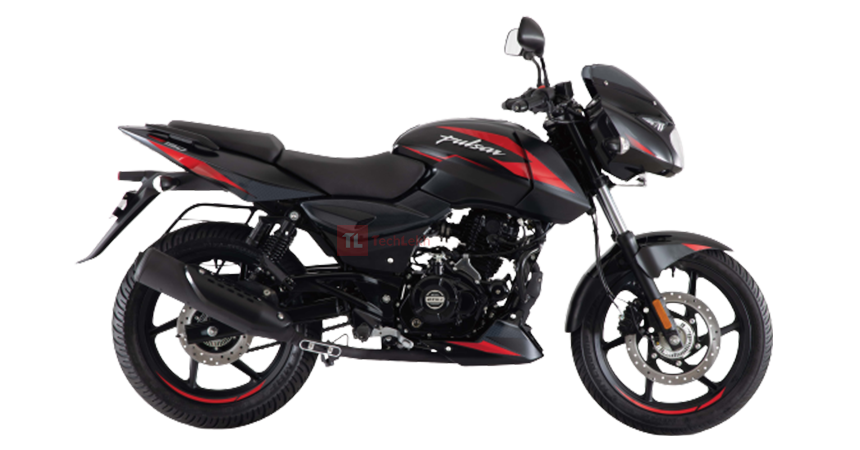
Bajaj Pulsar 150
Bajaj Pulsar 150 Summary
The Bajaj Pulsar 150 is the original Pulsar that once defined the balance between price, performance, and everyday usability. The new updates has finally breathed life into the Pulsar 150 and the modern appeal has finally entered into the conversation.
Rs. 3,19,900 (BS4 – Front Disc)
Rs. 3,38,900 (BS4 – Twin Disc)
Rs. 3,55,900 (BS6 – Single Channel ABS)
Pros
- BS6 updates (FI engine)
- Iconic and well-known styling
- ABS option
- Strong after-sales
Cons
- Dated design
- Old Pulsar fit and finish
Should You Buy?
The Bajaj Pulsar 150 remains one of the best-selling motorcycles in Nepal, backed by its value-for-money appeal, proven engine, wide service network, and affordable spare parts. Its 150cc DTS-i engine still delivers the signature Pulsar grunt, a character many feel has been diluted in newer N-series models. It may not be the most refined, but it strikes a familiar balance of affordability, performance, and iconic styling. That legacy keeps it relevant, whether in the showroom or the used-bike market, where resale value and parts availability remain strong.
That said, the same formula that made it successful held it back. Bajaj avoided major updates to protect its popularity for nearly two decades in Nepal. But finally, the updated model has made its way to Nepal at a price of Rs. 3.56 Lakhs which gets a BS6-compliant FI engine, Digital meter, all-LED lighting, and Single-channel ABS. Underneath, it still feels like an older-generation Pulsar with dated styling, average fit and finish, and limited features. It might make more sense to go with other of its rivals, but for riders chasing the classic Pulsar feel, it still does pack the thrill and we simply can’t deny this icon.
Variants
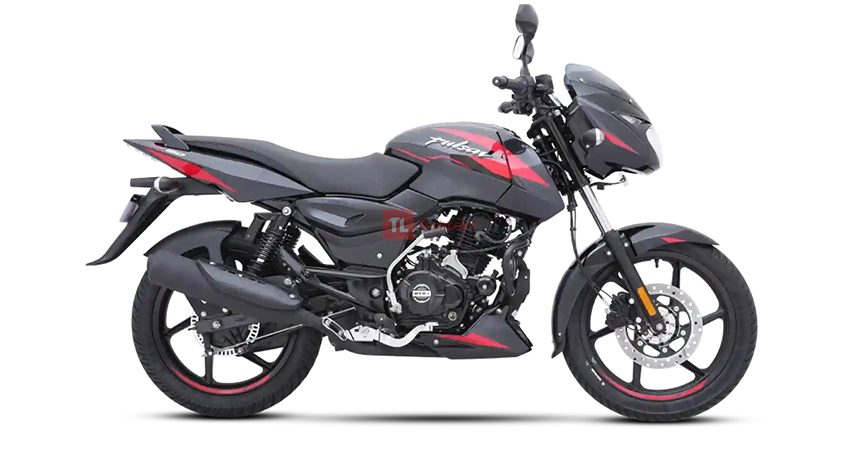
Bajaj Pulsar 150 comes in Front Disc, Twin Disc, and Single-Channel ABS options. Alongside the difference in the overall braking options, these three variants also have a few key stylistic differences.
Here is a quick breakdown of the Bajaj Pulsar 150 variants in Nepal.
| Bajaj Pulsar 150 Variants | Front Disc only | Dual Twin Disc | Single Channel ABS |
|---|---|---|---|
| Price in Nepal 2026 | Rs. 319900 | Rs. 338900 | Rs. 355900 |
| Braking | 240mm Disc (F) / 130mm Drum (R) | 260mm Disc (F) / 230mm Disc (R) | 240mm Disc (F) with ABS / 130mm Drum (R) |
| Front Suspension | 31mm Telescopic | 37mm Telescopic | 31mm Telescopic |
| Seat Type | Single-Seat | Split-Type | Single-Seat |
| Tyre Size | 80/100-17 (F) / 100/90-17 (R) | 90/90-17 (F) / 120/80-17 (R) | 90/90-17 (F) / 100/90-17 (R) |
| Wheelbase | 1320mm | 1345mm | 1320mm |
| Weight | 143kg | 144kg | 148kg |
Rivals
Bajaj Pulsar 150 rivals TVS Apache RTR 160 2V.
Previously, this comparison was pretty much one-sided before Bajaj Nepal brought the updated BS6 model of the Pulsar 150. The TVS Apache RTR 160 2V has received steady, meaningful updates over the years, something the Pulsar 150 has just matched. It now offers a BS6 FI engine, LED headlamp, Single-Disc brakes with single-channel ABS, and a more advanced digital cluster, all for around Rs. 10,000 more than the Apache RTR 160 2V. But despite being a bit affordable than the Pulsar 150, it features dual-disc braking along with 1.21 PS more power.
The Pulsar 150 still holds a few traditional advantages. It is more comfortable, more fuel-efficient, and feels calmer at low RPMs with better vibration control. And, this is be only enhanced with the latest BS6 updates. Ownership is easier too, thanks to Bajaj’s massive service network, cheaper maintenance, and strong resale value.
Bajaj Pulsar 150 Specifications
- Engine Type: Single-Cylinder, 4-Stroke, 2-Valve, Air-Cooled, DTS-I
- Displacement: 149.5 cc – BS4 (SD & TD) and BS6 (Single Channel ABS)
- Starting Mechanism:
- Self-Start (TD)
- Self Starter and Kick (Single Channel ABS)
- Performance:
- 14 PS @ 8000 rpm (Power) / 13.4 Nm @ 6000 rpm (Torque) – SD & TD
- 14 PS @ 8500 rpm (Power) / 13.25 Nm @ 6500 rpm (Torque) – Single Channel ABS
- Gearbox: 5-Speed
- Fuel Tank Capacity: 15 liters
- Mileage: 40 kmpl
- Tyre:
- 80/100-17 (Front) / 100/90-17 in Standard
- 90/90-17 (Front) / 120/80-17 in Twin Disc
- 80/100-17 (Front) / 100/90-17 in Single Channel ABS
- Braking System:
- Disc/Drum in Standard
- Dual Disc in Twin Disc
- Disc/Drum in Single Channel ABS
- Suspension Setup:
- 31mm Telescopic with Anti-Friction Bush and Twin Shock Absorber in Standard
- 37mm Telescopic with Anti-Friction Bush and Twin Shock Absorber in Twin Disc
- 31mm Telescopic with Anti-Friction Bush and Twin Shock Absorber in Single Channel ABS
- Seat Height: 785 mm
- Ground Clearance: 165 mm
- Kerb Weight: 143-148 kg
- Colors: Red, Blue
Bajaj Pulsar 150 Price in Nepal: Rs. 3,19,900 – Rs. 3,55,900
Bajaj Pulsar N125
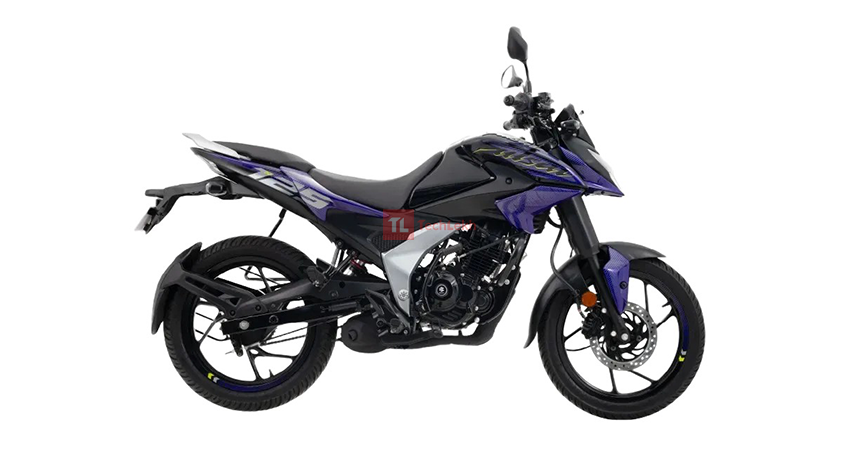
Bajaj Pulsar N125 Summary
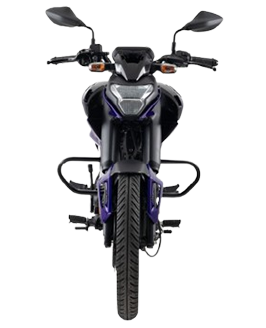
The Bajaj Pulsar N125 brings the N-series DNA to the 125cc segment. While it gets several things right, Bajaj stops short of fully committing, leaving clear room to strengthen its overall value proposition.
Rs. 3,03,900 (BS6)
Pros
- Unique 125cc Pulsar offering
- Lightweight and extremely agile
- Impressive suspension feel
Cons
- Braking could improve
- Fewer features than the rivals
- Holds itself back
Should You Buy?
The Bajaj Pulsar N125 is Bajaj’s newest entry into the increasingly popular 125cc sporty commuter segment. Unlike most Pulsars, it does not build on an older platform, which is a rare move for Bajaj. That decision pays off. The new platform feels fresher, more refined, and better balanced with upright ergonomics. It carries the familiar N-series smoothness, making it genuinely fun in city conditions.
One of its biggest strengths is the suspension tuning. While the hardware itself is conventional, the setup is among the best in the segment. It absorbs bumps with ease and feels composed on broken roads. Paired with a light 125 kg kerb weight, the N125 becomes one of the easiest and most confidence-inspiring Pulsars to ride. Tight turns feel effortless, and overall handling is friendly without feeling dull. This character helps the N125 stand on its own, even against more powerful rivals.
That said, Bajaj still feels restrained here. The disc–drum braking setup works, but it lacks confidence at higher speeds. A larger front disc or a more capable braking setup would have made a noticeable difference. Bajaj likely holds back due to segment positioning, but that logic feels misplaced. The N125 is effectively the flagship of Pulsar’s 125cc lineup, and it deserves to be treated as such. When compared to rivals offering more comprehensive feature sets, the gap becomes clear. The Pulsar N125 has the foundation to be something special. Bajaj just needs to fully commit to it.
Rivals
Bajaj Pulsar N125 rivals the Hero Xtreme 125R and the TVS Raider 125.
Both the Xtreme 125R and the Raider 125 offer a stronger feature set on paper. The Hero Xtreme 125R leads the segment in outright hardware with an all-LED setup, including a segment-first projector headlamp, a wide 120-section rear tyre, and a 37mm front fork. Hero also goes a step further by offering optional Single-channel ABS, which is still extremely rare in this class. That said, it comes with two clear drawbacks. It is among the most expensive bikes in the segment, costing roughly Rs. 20,000 more, and its styling, while sporty, feels overly busy and unnecessarily complex.
ALSO READ: Hero Bikes Price in Nepal (October 2026 Updated)
The TVS Raider 125 deserves special mention for redefining the segment altogether. The latest Raider iGO update pushes things further with a larger TFT display and meaningful mechanical upgrades like One-Touch Start, IntelliGo auto start-stop, and iGO Boost. These hybrid-style features were once limited to scooters, and their introduction here genuinely adds value. All of this comes at a premium of just around Rs. 6,000 over the N125, making the Raider one of the most well-rounded packages in the class.
In comparison, the Pulsar N125 is the least feature-loaded of the three. Bajaj does include practical tech like its Integrated Starter with Auto Start-Stop, but it clearly prioritizes fundamentals over flash. Where the N125 truly stands out is in ride quality, suspension tuning, engine refinement, and its 12 PS output, all while being the most affordable option in this segment.
Bajaj Pulsar N125 Specifications
- Engine Type: Single-Cylinder, FI
- Displacement: 124.59 cc – BS6
- Performance: 12 PS @ 8500 rpm (Power) / 11 Nm @ 6000 rpm (Torque)
- Gearbox: 5-Speed
- Fuel Tank Capacity: 9.5 liters
- Mileage: 60 kmpl
- Tyre: 80/100-17 (Front) / 110/80-17 (Rear)
- Braking System: Disc/Drum with Combined Braking System (CBS)
- Suspension Setup: Telescopic Forks and Preload-adjustable Mono shock
- Seat Height: 795 mm
- Ground Clearance: 198 mm
- Kerb Weight: 125 kg
- Colors: Black-Purple, Black-Red, Grey-Citrus
Bajaj Pulsar N125 Price in Nepal: Rs. 3,03,900
Bajaj Pulsar NS 125
Bajaj Pulsar NS 125 Summary
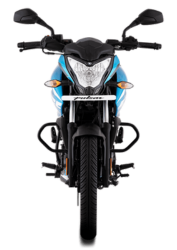
The Bajaj Pulsar NS 125 brings the familiar NS formula into the 125cc segment. While it still delivers a taste of the classic NS experience, it now feels outpaced and overshadowed by better-equipped rivals.
Rs. 3,04,900 (BS6 – CBS)
Rs. 3,29,900 (BS6 – ABS)
Pros
- Aggressive NS styling
- Sporty performance
- Agile handling
Cons
- Less refined engine
- Poor CBS braking setup
- Poor power-to-weight ratio
Should You Buy?
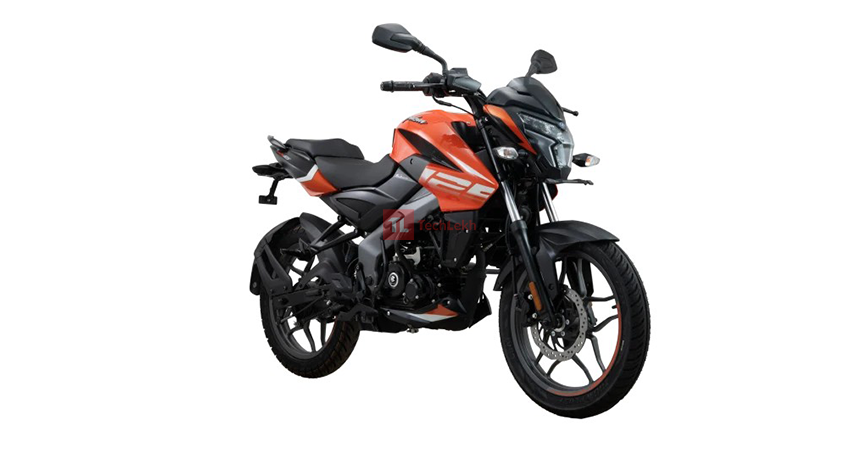
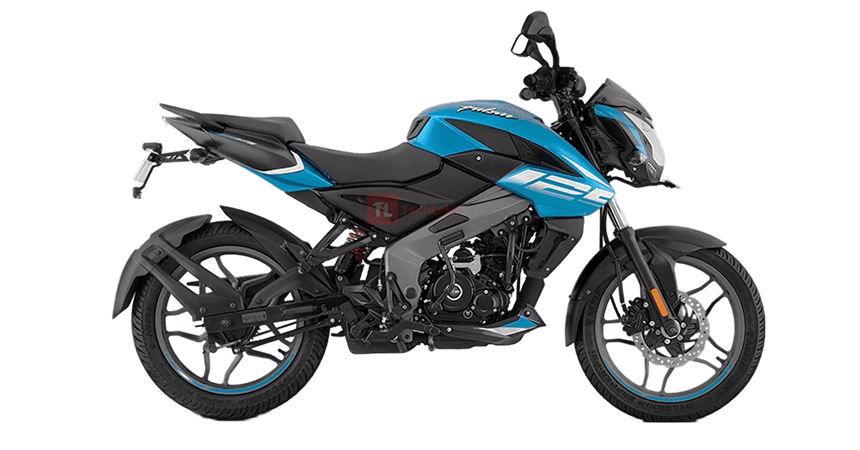
The Bajaj Pulsar NS 125 is the second 125cc Pulsar in the lineup, bringing the familiar NS formula into the sporty commuter space. It carries the trademark muscular tank, split seat, perimeter frame, and aggressive streetfighter stance. The 4-valve SOHC engine keeps the NS identity alive with a high-revving nature, while the chassis delivers sharp handling and quick responses through corners and traffic, much like its bigger NS siblings.
That said, much of its appeal still comes from nostalgia. The engine feels less refined and more vibration-prone than newer offerings like the N125. Feature-wise, it shows its age, although recent updates such as ABS, an LED headlamp, and a digital instrument cluster do help bring it closer to current standards. Even then, the NS design, while iconic, no longer feels fresh.
This limitation is most evident in braking, tyres, and overall weight, especially on the base CBS variant. It uses a smaller front disc with a simplified CBS setup, a thinner tyre profile, and carries more weight than its rivals. Bajaj has addressed some of these shortcomings with the newer ABS version, but the weight issue remains. At nearly 21kg heavier than the N125, it suffers from a weaker power-to-weight ratio, which dulls real-world performance despite its sporty intent. While the chassis suggests strong cornering ability, it does not fully deliver, leaving the overall experience short of its potential.
Variants
Bajaj Pulsar NS 125 comes in CBS and ABS options. Alongside the difference in the overall braking options, these two variants also have a few key hardware and feature differences.
Here is a quick breakdown of the Bajaj Pulsar NS 125 variants in Nepal.
| Bajaj Pulsar 125 Variants | CBS | ABS |
|---|---|---|
| Price in Nepal 2026 | Rs. 304900 | Rs. 329900 |
| Tyre | 80/100-17 (F) / 100/90-17 (R) | 90/90-17 (F) / 120/80-17 (R) |
| Braking | 240 mm Disc / 130 mm Drum | 260 mm Disc / 130 mm Drum |
| Braking System | CBS | Single-Channel ABS with 3 ABS Modes |
| Headlight Type | Halogen | LED |
| Instrument Console | Analog-Digital | Fully Digital with Connectivity |
| Weight | 141 kg | 146 kg |
Rivals
Bajaj Pulsar NS 125 rivals the Bajaj Pulsar N125.
The Bajaj Pulsar N125 marks a bold new chapter in Bajaj’s 125cc lineup. Built from the ground up on a new platform, it brings sharper styling, a lightweight chassis, and a new engine tuned for quicker pickup and better fuel efficiency. It feels agile, modern, and purpose-built for urban riders looking for an efficient yet exciting daily machine.
In contrast, the Pulsar NS 125 now feels like a product from a different time. While it still carries the muscular streetfighter DNA of the NS family, the design and hardware are now dated. It feels bulkier, less refined, and not as performance-oriented as its design might suggest.
Where the N125 excels in refinement, mileage, and updated features, the NS 125 struggles to find its niche. With both models priced similarly, the NS 125 has been overshadowed by the more balanced and modern N125.
Bajaj Pulsar NS 125 Specifications
- Engine Type: Single-Cylinder, 4 Stroke, 4-Valve, SOHC, DTS-I FI
- Displacement: 124.45 cc – BS6
- Performance: 12 PS @ 8500 rpm (Power) / 11 Nm @ 7000 rpm (Torque)
- Gearbox: 5-Speed
- Fuel Tank Capacity: 12 liters
- Mileage: 50 kmpl
- Tyre:
- 90/90-17 (Front) / 120/80-17 (Rear) in ABS
- 80/100-17 (Front) / 100/90-17 (Rear) in CBS
- Braking System: Disc/Drum with Combined Braking System (CBS) / Single-Channel ABS
- Suspension Setup: Telescopic with Anti-Friction Bush and Nitrox Mono Shock Absorber
- Seat Height: 805 mm
- Ground Clearance: 179 mm
- Kerb Weight: 141 kg – 146 kg
- Colors: Fiery Orange, Burnt Red, Beach Blue, Pewter Gray
Bajaj Pulsar NS 125 Price in Nepal: Rs. 3,04,900 (CBS) / Rs. 3,29,900 (ABS)
Bajaj Pulsar 125
Bajaj Pulsar 125 Summary
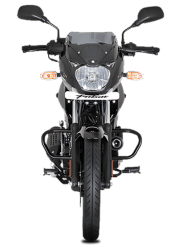
The Bajaj Pulsar 125 brings the Pulsar formula into the 125cc segment. While it still delivers a taste of the legendary experience, it now feels outdated and overshadowed by modern rivals.
Rs. 2,74,900 (BS4)
Pros
- Iconic Pulsar styling
- 125cc refined DTS-i engine
- Affordable pricing
Cons
- Dated offering
- BS4 carburetor engine
- Heavy 140 kg kerb weight for a 125cc bike
Should You Buy?
The Bajaj Pulsar 125 brings the iconic Pulsar styling into the 125cc segment, but it is also the least modern offering in the current Pulsar 125 lineup. Positioned as a budget commuter, it leans heavily on familiar design cues and the signature DTS-i engine, which still delivers that recognizable Pulsar grunt while remaining relatively fuel-efficient. Its biggest strength is pricing, as it remains the most affordable entry point into the Pulsar range, backed by Bajaj’s strong service network and easy spare parts availability.
However, that is where most of the positives end. The Pulsar 125 feels dated in almost every other aspect. It has seen very few meaningful updates since launch, and even within Bajaj’s own lineup, the N125 and NS125 feel far more engaging and modern. The carbureted BS4-era engine now feels out of place, and a significant portion of its modest power is spent moving its hefty 140 kg body, which is heavy for a 125cc motorcycle. While it carries the Pulsar name and familiarity, it lacks excitement, refinement, and relevance by today’s standards, making it a tough sell beyond its low asking price.
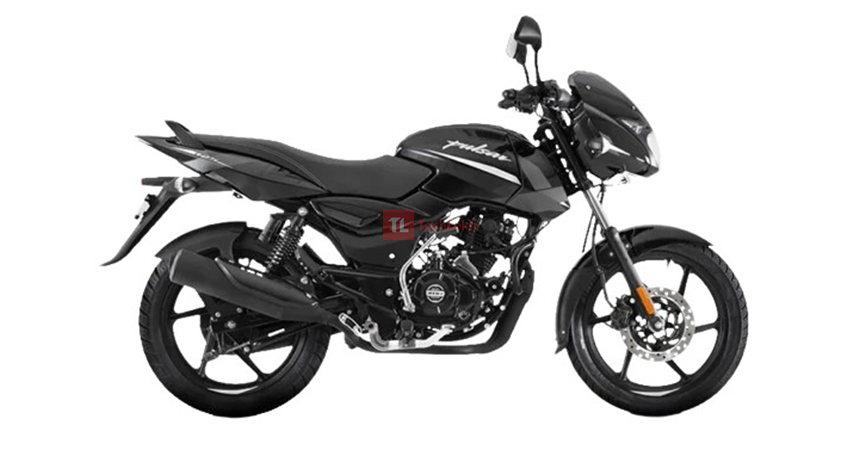
Rivals
Bajaj Pulsar 125 rivals Honda SP 125.
While the comparison may seem unnecessary, it is still worth making. On paper, the Honda SP 125 and Bajaj Pulsar 125 share several similarities, including a 240mm front disc, an 11-liter fuel tank, and comparable seat height and ground clearance. However, the SP 125 clearly gains an advantage in real-world riding. With an 18-inch wheel setup and nearly 24 kg less weight, it feels noticeably lighter, more nimble, and more responsive. This happens despite producing 1 PS less power than the Pulsar.
Honda strengthens its case further with modern updates. The SP 125 gets an LED headlamp and a BS6-compliant fuel-injected engine. This brings features like Enhanced Smart Power (eSP), Silent Start, and Side-Stand Engine Cut-Off. Since this engine is shared with the long-running Shine 125, reliability is also given.
Both motorcycles are simple 125cc commuters. But the SP 125 feels fresher, more modern, and better equipped overall. The real question is whether those upgrades justify paying over Rs. 30,000 more than the Pulsar 125. That decision ultimately depends on you. There may be stronger options than the SP 125 in the wider segment, but when compared directly, it clearly holds the edge over the Pulsar 125.
Bajaj Pulsar 125 Specifications
- Engine Type: Single-Cylinder, 4 Stroke, 2-Valve, SOHC, Air-Cooled, DTS-i
- Displacement: 124.4 cc – BS4
- Performance: 11.8 PS @ 8500 rpm (Power) / 10.8 Nm @ 6500 rpm (Torque)
- Gearbox: 5-Speed
- Fuel Tank Capacity: 11.5 liters
- Mileage: 60 kmpl
- Tyre: 80/100-17 (Front) / 100/90-17 (Rear)
- Braking System: Disc/Drum
- Suspension Setup: Telescopic with Anti-Friction Bush and Twin Suspension with Nitrox
- Seat Height: 785 mm
- Ground Clearance: 165 mm
- Kerb Weight: 140 kg
- Colors: Neon Silver, Solar Red
Bajaj Pulsar 125 Price in Nepal: Rs. 2,74,900
Bajaj Discover 125 ST
Bajaj Discover 125 ST Summary
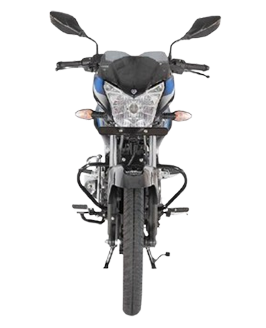
The Bajaj Discover 125 ST is a capable 125cc commuter powered by a 4-valve engine. It offers powerful performance and a sporty design. However, the lack of meaningful updates over the years has steadily reduced its relevance and appeal.
Rs. 2,58,900 (BS4)
Pros
- Powerful engine 4-Valve technology
- Segment-leading features
- Affordable pricing
Cons
- Discontinued in India
- Lack of a substantial update
- Less refined at higher speeds
Should You Buy?
The Bajaj Discover 125 ST quietly punches above its weight in the 125cc segment. It is the only Discover to feature a 4-valve engine, the same technology seen in the NS125. This allows it to produce a strong 13 PS, which is impressive for a commuter-focused motorcycle. Even more notable are the front disc and monoshock suspension, features that debuted here long before bikes like the Raider 125 or Xtreme 125R. For its time, the Discover 125 ST was genuinely ahead of the curve. Combined with aggressive pricing, it is no surprise the bike still enjoys popularity outside the Kathmandu Valley, despite being discontinued in India back in 2020.
That said, time has caught up with it. Since it is no longer sold in major markets, the Discover 125 ST has received no meaningful updates. What was once a segment leader now lags in features, styling, and refinement. It remains a good motorcycle for what it is, especially since pricing has largely stayed the same, but today there are clearly better and more modern options available.
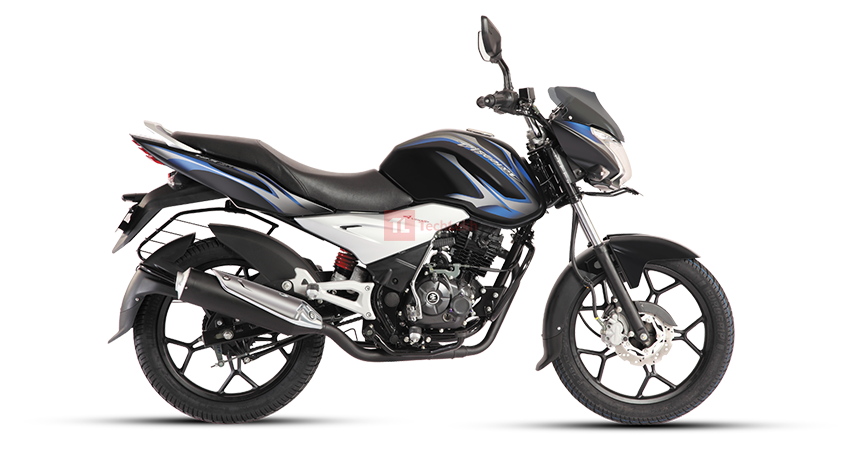
Rivals
Bajaj Discover 125 ST rivals the Honda Shine 125.
This comparison between the Discover 125 ST and the Shine 125 leads to a similar conclusion as the Pulsar 125 vs SP 125 debate. With its 18-inch wheels and nearly 12 kg less weight, the Shine feels lighter, more nimble, and more responsive. While the Discover 125 ST has the edge in outright performance with around 2.26 PS more power, the Shine counters with a newer BS6-compliant FI engine. This brings modern benefits like Enhanced Smart Power (eSP), Silent Start, and Side-Stand Engine Cut-Off. The engine was already known for its reliability, and fuel injection only improves efficiency and long-term usability.
ALSO READ: Honda Bikes Price in Nepal (October 2026 Updated)
Yes, these advantages come at a premium of over Rs. 30,000. But when you factor in long-term ownership, better spare parts availability, and stronger resale value, the extra cost for Shine 125 is easier to justify.
Bajaj Discover 125 ST Specifications
- Engine Type: Single-Cylinder 4-Valve, Air-Cooled, DTS-i Twin Spark with ExhausTEC
- Displacement: 124.6 cc – BS4
- Performance: 13 PS @ 9000 rpm (Power) / 10.79 Nm @ 6500 rpm (Torque)
- Gearbox: 5-Speed
- Fuel Tank Capacity: 10 liters
- Mileage: 60 Kmpl
- Tyre: 2.75 x 17 (Front) / 3.00 x 17 (Rear)
- Braking System: Disc/Drum
- Suspension Setup: Telescopic with Anti-Friction Bush and Monoshock Absorber
- Seat Height: 785 mm
- Ground Clearance: 170 mm
- Kerb Weight: 125 kg
- Colors: Red, Black, Blue
Bajaj Discover 125 ST Price in Nepal: Rs. 2,58,900
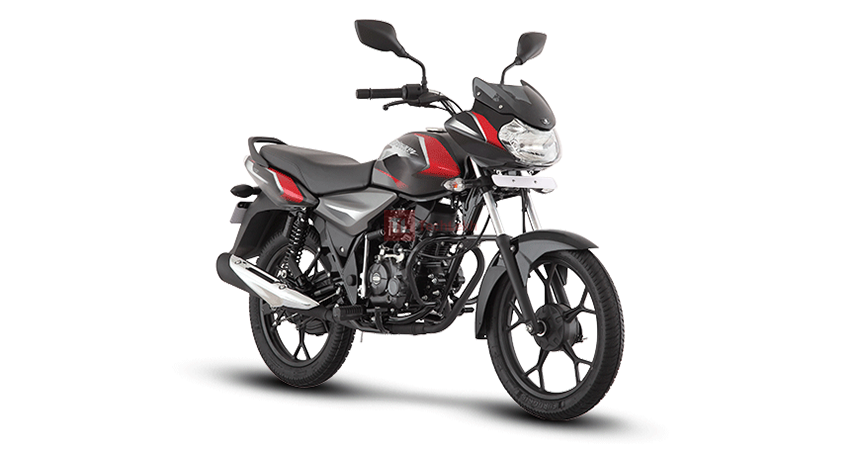
Bajaj Discover 125
Bajaj Discover 125 Summary
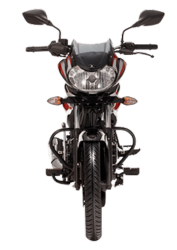
The Bajaj Discover 125 is a straightforward budget commuter. It skips advanced features but gets the basics right, offering solid everyday usability and good value at an aggressive price.
Rs. 2,56,900 (BS4)
Pros
- Comfortable ergonomics
- Refined 125cc DTS-i engine
- Standard front disc braking
Cons
- Dated styling
- Lack of modern features
- Discontinued in India
Should You Buy?
The Bajaj Discover 125 sticks to the basics of a budget commuter. It delivers strong fuel efficiency, a smooth and reliable engine, and a comfortable riding posture. Low running costs, easy maintenance, and long-term dependability remain its biggest strengths. Moreover, a front disc brake as standard also adds a layer of reassurance to overall safety.
That said, the Discover 125 now feels dated. Its design is the oldest in Bajaj’s lineup, and the feature set is bare-bones. Performance is adequate at best, and it struggles to stand out against newer rivals offering more for similar money. Even the Discover 125 ST tried to move the game forward with a 4-valve engine and monoshock, something the standard Discover never received. With the model now discontinued, no further updates are expected, leaving the Discover 125 frozen in time.
Rivals
Bajaj Discover 125 rivals the Hero Super Splendor XTec.
Both the Discover 125 and the Super Splendor Xtec offer a similar no-nonsense commuter experience, but each has its own strengths. The Discover 125 holds a clear mechanical edge. It gets a 5-speed gearbox and a front disc brake as standard, compared to the Super Splendor’s 4-speed setup and drum-only braking. This gives the Discover smoother power delivery, better highway cruising, and a stronger safety advantage. The Super Splendor Xtec fights back with modern tech. Its BS6 fuel-injected engine with Hero’s i3S system feels more refined and efficient. However, that upgrade comes at a premium of around Rs. 10,000 over the Discover.
Earlier, that extra cost would have been easy to justify. But the Xtec still misses out on essentials like a 5-speed gearbox and front disc braking, which keeps the Discover 125 relevant. If you can live without those features, the Super Splendor Xtec makes sense. But for a one-time purchase, it is wiser to stretch the budget slightly and look at the Shine 125 or SP 125 instead.
Bajaj Discover 125 Specifications
- Engine Type: Single-Cylinder, Air-Cooled, DTS-i with ExhausTEC
- Displacement: 124.4 cc – BS4
- Performance: 11 PS @ 7500 rpm (Power) / 11 Nm @ 5500 rpm (Torque)
- Gearbox: 5-Speed
- Fuel Tank Capacity: 8 liters
- Mileage: 60 Kmpl
- Tyre: 90/90-17 (Front) / 100/90-17 (Rear)
- Braking System: Disc/Drum with Combined Braking System
- Suspension Setup: Telescopic with Anti-Friction Bush and Twin Suspension with Nitrox
- Seat Height: 805 mm
- Ground Clearance: 165 mm
- Kerb Weight: 122 kg
- Colors: Black Red, Black Blue
Bajaj Discover 125 Price in Nepal: Rs. 2,56,900
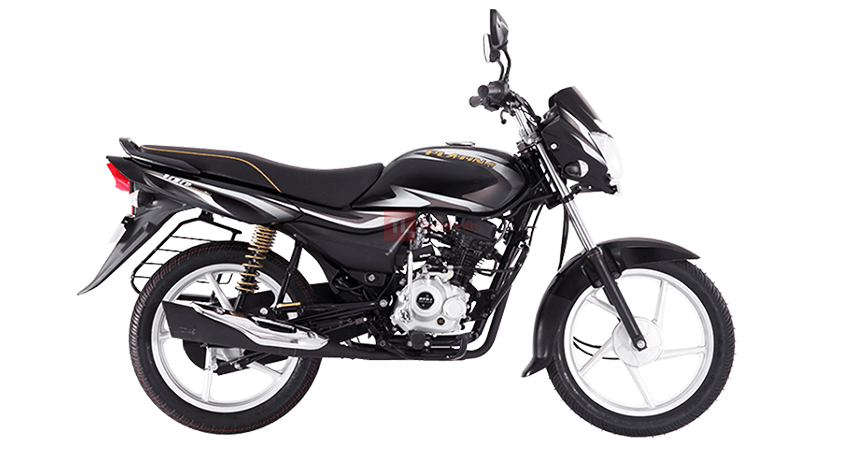
Bajaj Platina 100 ES
Bajaj Platina 100 Summary
The Bajaj Platina 100 ES focuses on engine refinement, excellent fuel efficiency, and relaxed riding ergonomics. However, that affordability comes at the cost of limited performance and a very basic feature set.
Rs. 2,18,900 (BS4)
Pros
- Most affordable Bajaj bike
- Excellent mileage
- Superior comfort
Cons
- Basic performance
- Simple features
- Drum only braking
Should You Buy?
The Bajaj Platina 100 ES is a no-nonsense commuter built around practicality. Its 108 kg weight makes it easy to handle, while the 99.5cc engine delivers excellent fuel efficiency at around 55–70 kmpl range. The Advanced Comfortec suspension and a long seat make it well-suited for daily rides and longer commutes. Being the most affordable motorcycle in Bajaj’s lineup, it clearly targets riders who want the lowest running costs and maximum value.
That same value-focused approach also defines its limits. The Platina is the most basic bike here, with modest performance and almost no features. The absence of a front disc brake is expected at this price point. It does not try to be more than what the segment demands, and in that sense, the Platina delivers exactly what it promises.
Rivals
Bajaj Platina 100 ES rivals Hero Splendor Plus.
In a segment where most 100cc bikes play it safe, Hero MotoCorp manages to add a bit more value. The Splendor Plus feels better equipped, offering features like Hero’s i3S system and even a USB charging port. In comparison, the Platina counters with a 4kg lighter body, 30mm higher ground clearance, and LED DRL. However, Hero Nepal further strengthens the Splendor Plus appeal by offering the BS6 (OBD-II) compliant version at around Rs. 18,000 more than the Platina. It looks more polished, feels better finished, and comes across as a more complete package overall.
That said, the Platina still makes sense if the budget is extremely tight. But if you can stretch a little, the Splendor Plus offers better value and a more satisfying ownership experience.
Bajaj Platina 100 ES Specifications
- Engine Type: Single-Cylinder, 2-valve, Air-Cooled, DTS-I with ExhausTEC
- Displacement: 99.5 cc – BS4
- Performance: 7.9 PS @ 7500 rpm (Power) / 8.3 Nm @ 4500 rpm (Torque)
- Gearbox: 4-Speed
- Fuel Tank Capacity: 11.5 liters
- Mileage: 78 kmpl
- Tyres: 2.75 x 17 (Front) / 3.00 x 17 (Rear)
- Braking System: Drum with Anti-Skid Braking System
- Suspension Setup: Telescopic and SNS Suspension with 125mm travel
- Seat Height: 804 mm
- Ground Clearance: 190 mm
- Kerb Weight: 108 kg
- Colors: Chrome Black
Bajaj Platina 100 ES Price in Nepal: Rs. 2,18,900
Thoughts on Bajaj Bike Price in Nepal
That was a list of Bajaj bike price in Nepal for 2026.
Bajaj continues to dominate Nepal’s two-wheeler market with one of the most diverse lineups on sale. From budget commuters to performance-focused motorcycles, it is the only brand that spans such a wide price range while still offering strong choices at every level. That breadth is exactly what has cemented Bajaj’s position as a market leader.
Earlier models like the Pulsar 150 and Pulsar 220F ruled the sales charts. Today, that legacy carries forward through newer motorcycles like the Pulsar N160 and Pulsar N125. These models reflect Bajaj’s clear understanding of shifting rider preferences and its ability to stay relevant through timely updates and smart product positioning.
Besides the Bajaj bike price in Nepal listing, check out our other motorcycle listings here.
If you have any questions related to Bajaj bikes in Nepal, leave your queries in the comments below.
Frequently Asked Questions
What is the price of Bajaj bikes in Nepal in 2026?
Bajaj bike price in Nepal 2026 ranges from Rs. 2,18,900 for the Bajaj Platina 110 to Rs. 6,34,900 for the Bajaj Dominar 400.
Who are the official distributors of Bajaj motorcycles in Nepal?
HH Bajaj is the official distributor of Bajaj Bikes in Nepal.
Which is the latest Bajaj bike in Nepal?
Bajaj Pulsar 125 BS6 ABS is the latest Bajaj bike in Nepal.
Which is the best Bajaj motorcycle in Nepal?
Bajaj Pulsar N160 is the best motorcycle offering a good balance of performance, style, features, and price in Nepal.
Which is the most expensive Bajaj bike in Nepal?
Bajaj Dominar 400 is Nepal’s most expensive Bajaj bike, priced at Rs. 6.35 Lakhs.
Which is the most affordable bike in Nepal?
Bajaj Platina 100 ES is the most affordable bike in Nepal, priced at Rs. 2.19 Lakhs.
Are Bajaj bikes BS6 in Nepal?
Yes, most of the Bajaj bikes are now BS6 compliant.
-
Samsung Galaxy A08 Coming Soon in Nepal With A Few UpgradesHIGHLIGHTS The Samsung Galaxy A08 price in Nepal could start at Rs. 35,499 (4/64GB). It…

-
Samsung Galaxy A07s Silently Launched in Nepal: What Does the ‘s’ Actually Add?HIGHLIGHTS The Samsung Galaxy A07s price in Nepal is Rs. 30,499 (4/64GB). It is powered…
-
realme 16 5G Pre-Booking Opens in Nepal: Spec Sheet Raises QuestionsHIGHLIGHTS The realme 16 price in Nepal is expected to start at Rs. 65,999 for…