


This is the complete list of Yamaha bike price in Nepal for 2026. In this article, you will find a detailed overview of Yamaha bikes in Nepal, covering their specs, features, and updated pricing.
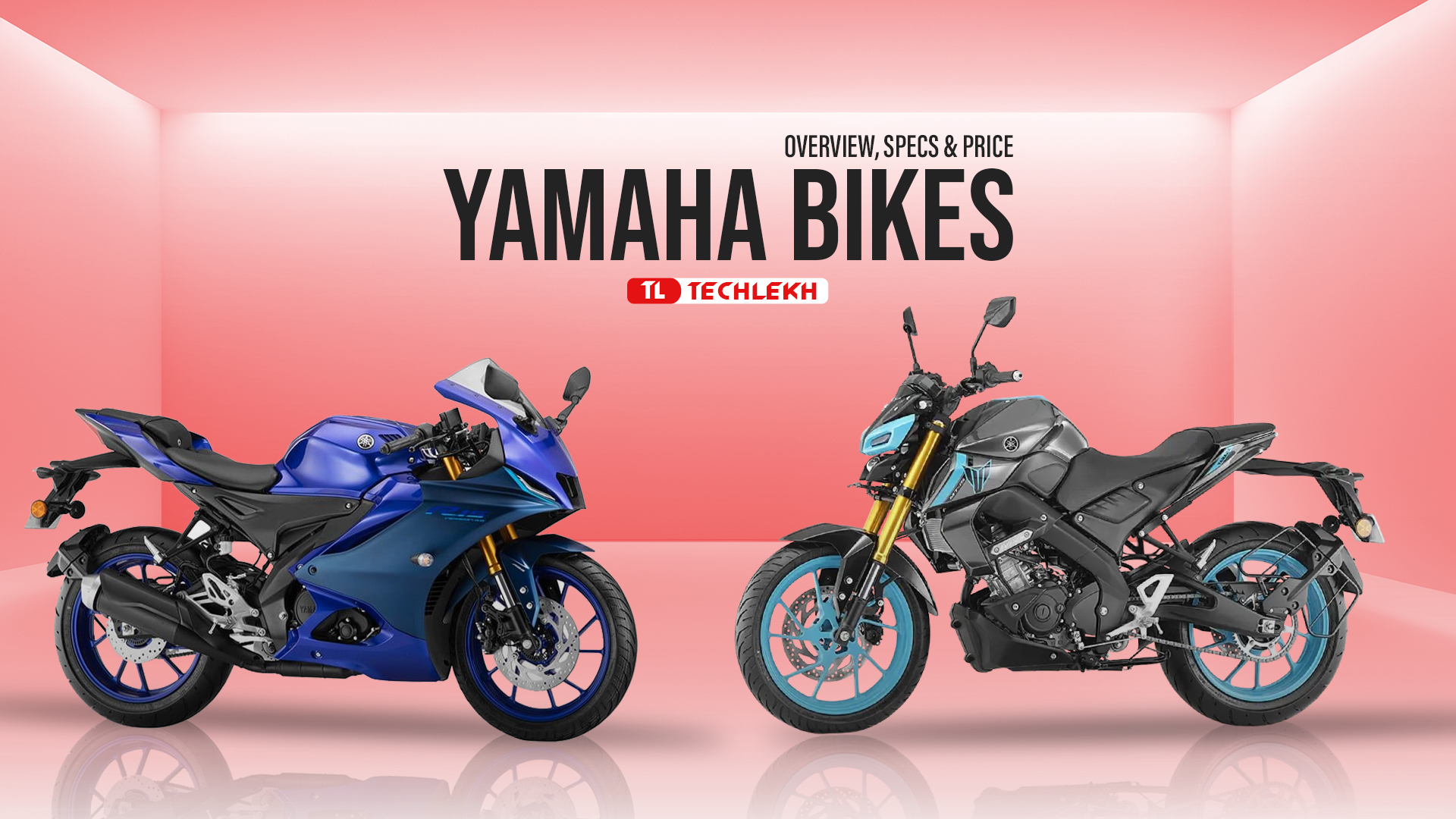
Yamaha Bikes in Nepal Price List
Here is a quick breakdown of Yamaha bikes price in Nepal for 2082.

| Yamaha Bikes | Price in Nepal |
|---|---|
| Yamaha WR 155R | Rs. 749900 (Dual Disc) |
| Yamaha R15 v4 | Rs. 649900 (R15M) / Rs. 634900 (Blue) |
| Yamaha MT 15 v2 | Rs. 564900 (Dual-ABS) |
| Yamaha FZS FI Next-Gen | Rs. 469900 (Hybrid) / Rs. 489900 (New Gen) (NEW) |
| Yamaha FZ X | Rs. 445900 (ABS) |
| Yamaha FZS FI v3 DLX | Rs. 415900 (Colored Wheel – ABS) / Rs. 410900 (ABS) |
| Yamaha FZ FI v3 STD | Rs. 389900 (Colored Wheel – Dual Disc) / Rs. 384900 (Dual Disc) |
| Yamaha FZS FI v2 | Rs. 384900 (Dual Disc) |
| Yamaha FZ FI v2 | Rs. 366900 (Front Disc) |
| Yamaha Saluto | Rs. 282900 (Front Disc) |
Yamaha Bikes in Nepal
MAW Rides is the authorized distributor of Yamaha motorcycles in Nepal. Currently, Yamaha offers eight models in various variants. The Yamaha bike price in Nepal 2026 starts at Rs. 2.83 Lakhs for the Yamaha Saluto 125 and goes up to Rs. 7.50 Lakhs for the Yamaha WR 155R.


Yamaha motorcycles are known for their durability and reliability, while also pushing boundaries in fuel-injection technology. Popular models like the R Series, MT Series, and FZ Series enjoy a strong cult following in Nepal for this very reason, despite their relatively high price tag.
Here is a quick breakdown of Yamaha bikes in Nepal:
- Yamaha WR Series: It is an off-road-focused design for enduro and trail riding. Yamaha WR 155 R is the first bike of this series to debut in Nepal.
- Yamaha R Series: It is an iconic sports bike engineered for high-speed performance and precision handling. The fourth iteration of R15 stays true to that legacy.
- Yamaha MT Series: It stands for “Master of Torque”, bringing the R15’s DNA into a naked streetfighter with aggressive styling and agile handling.
- Yamaha FZ Series: It is a sporty commuter that has evolved over different iterations. It brings muscular styling, updated features, and Single-Channel ABS for daily commutes.
- Yamaha Saluto Series: It is Yamaha’s only 125cc commuter, focusing on mileage, comfort, and practicality.
Yamaha Bike Price in Nepal 2026
Yamaha WR 155R
Yamaha WR 155R Summary
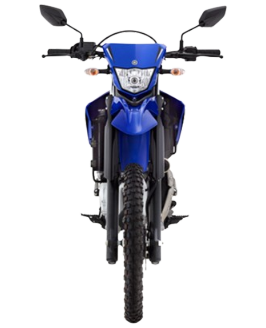
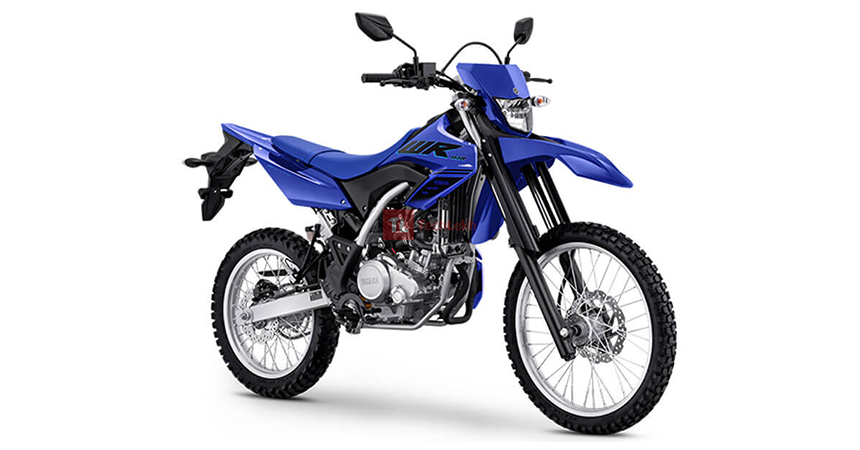
The Yamaha WR 155R is Yamaha’s third entry into the dual-sport segment and the most capable so far. That performance, along with Yamaha’s reliability and durability, comes with a high-asking price.


Rs. 7,49,900
Pros
- Powerful 155cc engine with VVA
- Lightweight and agile handling
- Excellent off-road capability
Cons
- Limited seat comfort on long rides
- Lack of advanced features
- Premium pricing
Should You Buy?
The Yamaha WR 155R positions itself as a no-nonsense dual-sport built to handle both road and off-road conditions. It shares the 155cc liquid-cooled VVA engine from the R15, but with a 14/51T gearing in place of the R15’s 14/48T setup. This change shifts the focus toward stronger low-end torque and quicker throttle response, even though peak power drops by around 1.7PS. Combined with its light 134kg weight, the WR 155R feels agile, predictable, and confident across varied terrain. Add to that the 245mm ground clearance and the 21/18-inch wheel setup with dual-purpose tyres, and it is easily one of the most capable dual-sports currently available in Nepal, standing apart from legacy segment players.




However, the WR 155R is not without compromises. The seat is tall and narrow for both rider and pillion, and the soft cushioning can get uncomfortable on long rides. For a motorcycle that commands a premium price, the feature list also feels underwhelming. Skipping ABS and Bluetooth can be justified, but the absence of LED lighting and a more advanced instrument cluster is harder to ignore. At this price point, the WR 155R finds itself competing with larger-capacity motorcycles that offer more features and broader everyday usability. This is where the WR 155R divides opinion. As a pure dual-sport, it delivers unmatched capability and focus. But on a value-for-money basis, its pricing makes it a difficult recommendation for buyers seeking an all-rounder.
Rivals
The Yamaha WR 155R rivals the Honda XR 190 LS.


On a technical level, the WR 155R clearly operates a step above. It uses a liquid-cooled, 4-valve engine paired with a 6-speed gearbox, producing 1.1PS more power and 1.4Nm less torque than the Honda. The real difference lies in the hardware. Yamaha’s 21/18-inch wheel setup, dual-disc brakes, tall 880mm seat height, and linkage-type rear suspension point to a far more serious off-road focus than the Honda’s 19/17-inch wheels, disc–drum, and mono swing unit configuration.
However, Honda plays to its strengths in more subtle ways. It counters with an LED headlamp, a larger 12-liter fuel tank, and a lighter 123kg kerb weight. More importantly, the XR badge carries years of trust in Nepal’s dual-sport segment. Strong resale value, widespread parts availability, and a proven ownership record work heavily in Honda’s favor. This matters even more when Yamaha’s WR 155R is its third attempt in the segment, following the XTZ 125 and XTZ 150‘s failed attempt to establish a lasting presence. That’s where the difference becomes clear. The XR 190 LS is the safer, more reassuring long-term choice, backed by Honda Nepal’s track record. On the other hand, the WR 155R is the more capable machine for riders who prioritize serious off-road performance above everything else.
Yamaha WR 155R Specifications
- Engine Type: Single-Cylinder, 4-Stroke, 4-Valve, Liquid Cooled, SOHC
- Displacement: 155 cc – BS6
- Starting Mechanism: Self-Starter Only
- Performance: 16.7 PS @ 10000 rpm (Power) / 14.3 Nm @ 7500 rpm (Torque)
- Gearbox: 6-Speed
- Fuel Tank Capacity: 11 liters
- Tyre: 2.75 – 21 (Front) / 4.10 – 18 (Rear) – Tubed Type
- Braking System: Dual-Disc
- Suspension Setup: 41mm Telescopic Front Forks and Rear Linked-Type Monoshock
- Seat Height: 880 mm
- Ground Clearance: 245 mm
- Kerb Weight: 134 kg
- Colors: Blue, Black
Yamaha WR 155R Price in Nepal: Rs. 7,49,900
Yamaha R15 v4
Yamaha R15 v4 Summary
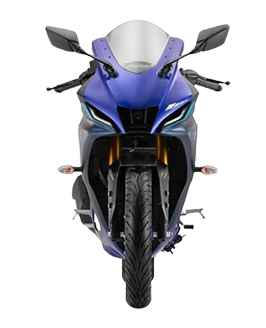
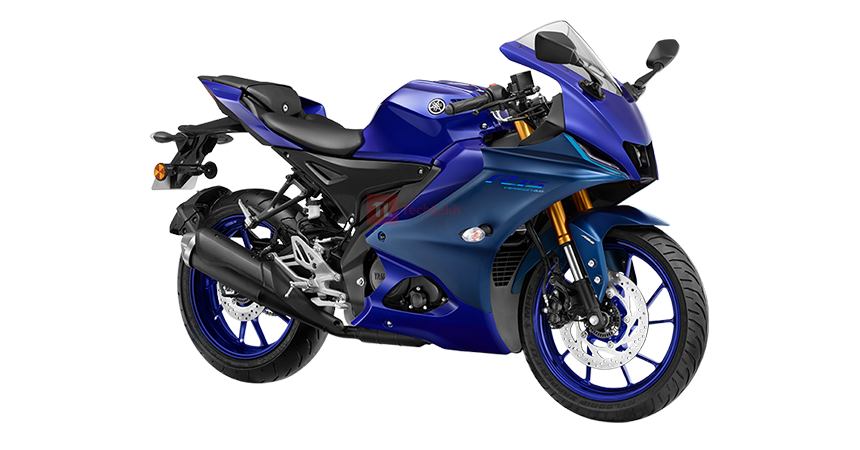
The Yamaha R15 V4 is defined by its sharp styling, segment-leading features, and signature performance. However, its aggressive riding posture makes it the least practical option here, trading everyday comfort and usability for a sporty experience.
Rs. 6,34,900 (R15-Blue)
Rs. 6,49,900 (R15M)
Pros
- R7 inspired aggressive styling
- Trademark performance with VVA
- Practical and modern features
Cons
- Aggressive riding posture
- Stiff suspension
- Expensive for a 155cc bike
Should You Buy?
The Yamaha R15 V4 continues to set the benchmark in the entry-level supersport segment. It is Yamaha’s most iconic motorcycle, styled after the larger R7. As the brand’s flagship, it showcases Yamaha at its best, blending sharp design with strong performance and everyday efficiency. The 155cc liquid-cooled engine may not be the outright most powerful at its price point, but it delivers smooth and responsive power across the rev range thanks to VVA. Backing this up is a premium feature list that includes Dual-Channel ABS, an Assist and Slipper Clutch, QuickShifter, and Traction Control that improves both performance and safety.
That said, the R15’s biggest strengths are also its biggest drawbacks. The aggressive riding posture works brilliantly for cornering precision and high-speed stability, but it quickly becomes tiring on longer rides. The weight on the wrists and strain on the back mean frequent breaks are unavoidable. Comfort is further compromised by the stiffly tuned 37mm KYB USD forks and Monocross rear suspension, which are excellent on smooth roads but unforgiving on rough surfaces. Poor roads expose every bump, making daily riding less pleasant. Adding to this, its premium pricing feels hard to justify for a 155cc motorcycle, especially for buyers prioritizing comfort and practicality over outright sportiness.

Variants
The Yamaha R15 Version 4 is available in two variants: R15 V4 and R15M. Both share the same engine, powertrain, and features. But the difference is limited to visual and cosmetic upgrades on the top-end “M” variant.
Here’s a quick breakdown of the Yamaha R15 V4 variants available in Nepal.
| Yamaha R15 v4 Variants | R15 v4 | R15M |
|---|---|---|
| Price in Nepal 2026 | Rs. 634900 | Rs. 649900 |
| Color | Racing Blue | Metallic Grey |
| TCS | Yes | Yes |
| Quick Shifter | Optional | Yes |
| Fork Caps | Black-colored | Blue-colored |
| Brake Calipers | Black-colored | Gold-Colored |
| Swing-arm | Black-colored | Gray-colored |
| Muffler Guard | Black-colored | Gray-colored |
Rivals
As the market shifts toward adventure tourers, the Yamaha R15 has effectively been left standing on its own. That likely explains its current pricing, where exclusivity seems to be part of the appeal. But exclusivity does not always equal value. If outright sport-bike performance is the goal, alternatives like the KTM RC 200 and CFMoto 250 SR make a strong case. Both offer larger engines and noticeably more performance. The RC 200 stands out for its hardware with WP USD suspension, a Steel Trellis frame, and Dual-channel ABS with Supermoto mode, though its design divides opinion. On the other hand, the 250 SR counters with sharper styling and a comparable feature set.
ALSO READ: KTM Bike Price in Nepal (April 2026 Updated)
This is where the R15M positions itself as the middle ground. It blends sharp design, refined performance, and a solid feature list. But that balance starts to fall apart once price enters the picture. It costs about the same as the RC 200 and 250 SR, yet delivers the least outright performance on paper.
In short, the Yamaha R15 remains a well-rounded and polished sport bike. But whether its price makes sense depends entirely on what you value more. If refinement, handling, and brand trust matter most, the R15 still holds appeal. If performance per rupee is the priority, the numbers tell a different story.
Yamaha R15 v4 Specifications
- Engine Type: Single-Cylinder, 4-Stroke, 4-Valve, Liquid Cooled, SOHC
- Displacement: 155 cc – BS6
- Performance: 18.4 PS @ 10000 rpm (Power) / 14.2 Nm @ 7500 rpm (Torque)
- Gearbox: 6-Speed
- Fuel Tank Capacity: 11 liters
- Tyre: 100/80-17 (Front) / 140/70-R17 (Rear)
- Braking System: Dual-Channel ABS
- Suspension Setup: 37mm USD Front Forks and Rear Linked Monoshock
- Seat Height: 815 mm
- Ground Clearance: 170 mm
- Kerb Weight: 142 kg
- Colors: Blue, Metallic Grey
Yamaha R15 v4 Price in Nepal: Rs. 6,34,900 – Rs. 6,49,900
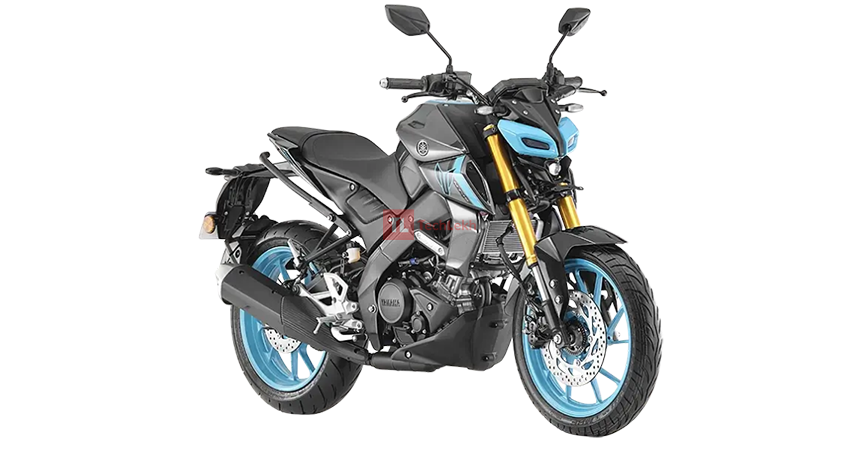
Yamaha MT 15 v2
Yamaha MT 15 Summary
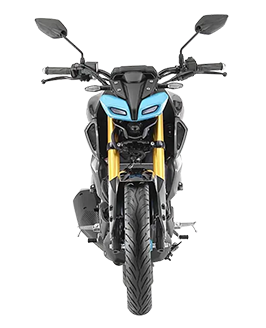
The Yamaha MT-15 V2 is the street-naked alternative to the R15, offering a more upright and relaxed riding position. However, it carries over many of the same drawbacks, including limited pillion comfort, stiff suspension, and premium pricing.
Rs. 5,64,900
Pros
- Great alternative to R15 v4
- Updated and improved features
- Excellent performance and agile handling
Cons
- Poor pillion comfort
- Stiffer suspension setup
- Expensive for a 155cc motorcycle
Should You Buy?
After the move to Version 2, the Yamaha MT-15 has become a strong alternative to the R15. It delivers much of the same experience with its Deltabox frame, 155cc liquid-cooled VVA engine, and Assist and Slipper clutch. The update adds meaningful hardware like an Aluminium Swingarm, USD forks, Traction Control, and Dual-channel ABS. What truly sets the MT-15 apart is its upright riding position, which fixes the R15’s biggest drawback. It offers similar performance and handling without the wrist strain and back fatigue, making it easier to live with daily.
That said, the MT-15 still carries a few compromises. Pillion comfort is poor due to the short seat, especially on longer rides. The 37mm KYB suspension is tuned stiff for performance. So, rough roads remain uncomfortable, even if the upright posture helps slightly compared to the R15. Then there’s the price. While it undercuts the R15, it is still an expensive 155cc motorcycle. Whether it justifies the premium depends on the rider. Those who want the Yamaha experience will accept it. But there are strong alternatives available at similar or lower prices, so the value proposition of MT15 remains debatable.
Rivals
At its current price, the Yamaha MT-15 V2 competes beyond its own class. It no longer sits comfortably in the 150–160cc space, instead overlapping with 200cc and even entry-level 400cc motorcycles.
Bikes like the Bajaj Pulsar NS200 and TVS Apache RTR 200 4V offer more power for less money. If you stretch the budget slightly, the Pulsar NS400Z enters the picture. Even the Royal Enfield Hunter 350 and Classic 350, known for their build and legacy, sit in a similar price bracket. For riders chasing versatility with a good balance of features, the Hero XPulse 200 4V Pro delivers far more capability at a noticeably lower cost.
There’s no denying the MT-15’s strengths. It is well built, well finished, and mechanically solid. But at this price, it becomes difficult to recommend. With so many strong alternatives offering more performance, character, or value, many riders will be better off choosing something else and putting the savings toward proper riding gear or longer journeys.
Yamaha MT 15 Version 2 Specifications
- Engine Type: Single-Cylinder, 4-stroke, 4-Valve, Liquid Cooled, SOHC
- Displacement: 155 cc – BS6
- Performance: 18.5 PS @ 10000 rpm (Power) / 14.1 Nm @ 7500 rpm (Torque)
- Gearbox: 6-Speed
- Fuel Tank Capacity: 10 liters
- Tyre: 100/80-17 (Front) / 140/70-R17 (Rear)
- Braking System: Dual Disc with Dual-Channel ABS
- Suspension Setup: 37mm USD Front Forks and Rear Linked-Type Monoshock
- Seat Height: 810 mm
- Ground Clearance: 170 mm
- Kerb Weight: 141 kg
- Colors: Cyan Stor, Ico Fluo-Vermillion, Matt Black, Racing Blue, Ice Strome, Vivid Violet Metallic
Yamaha MT 15 V2 Price in Nepal: Rs. 5,64,900
Yamaha FZS-FI
Yamaha FZS Summary
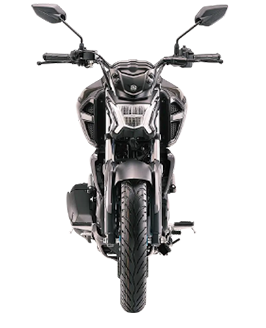
The next-gen Yamaha FZS FI brings refreshed styling, added features, and a new hybrid engine. While it fixes several shortcomings of the FZS V3, these improvements also push the price into premium territory.
Rs. 4,34,900 (FZS – New Gen)
Rs. 4,89,900 (FZS – Hybrid)
Pros
- Quality-of-life feature upgrades
- Fuel-efficient hybrid engine
- Good for daily commutes
Cons
- Performance is lowest in the segment
- Lack of advanced features
- Very expensive for a 150cc machine
Should You Buy?
The new-gen Yamaha FZS FI builds on the FZS Version 4 and brings some much-needed improvements. Updates like the new Class-D LED headlamp with a full LED setup, a larger Digital Cluster, Traction Control, and revised tank panels directly fix the shortcomings of the older V3. However, the biggest change is the introduction of hybrid technology. While the engine itself remains unchanged, the Smart Motor Generator adds features like Hybrid Assist, Silent Start, and Automatic Start-Stop. When combined with the upright riding posture and Yamaha’s refined engine, the FZS FI improves its appeal as a premium fuel-efficient daily commuter.
That said, the core remains the same 149cc Blue Core engine. It is smooth and easy to live with in the city, but it feels underwhelming if you expect strong performance. Top-end power is limited, especially on longer highway runs. Even with the added features, the package still feels basic when compared to rivals. The non-hybrid version makes sense for its price, but the hybrid variant feels harder to justify. Yamaha could have strengthened its case with features like Dual-Channel ABS, an Assist and Slipper Clutch, or even USD Forks. Using hybrid tech as a price justification also feels weak when bikes like the Bajaj Pulsar N125 and TVS Raider 125 iGO offer similar technology without pushing prices this high. The FZS FI remains a solid commuter, but at its current price, there are stronger and more complete options available.
Variants
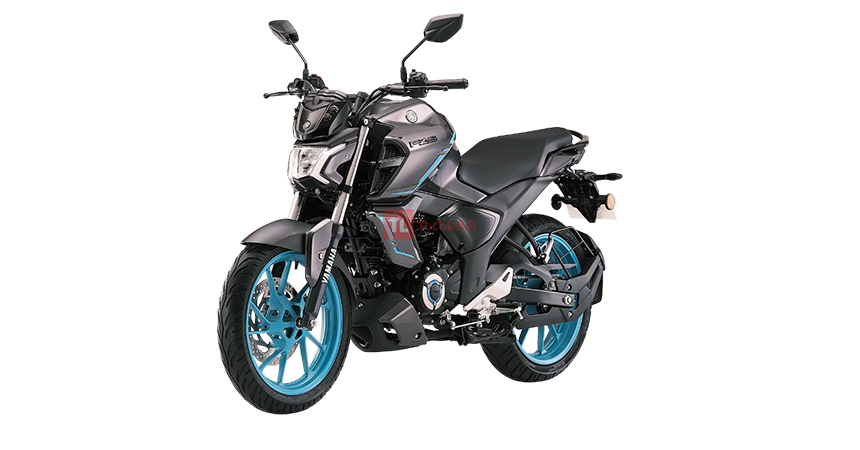
The new Yamaha FZS FI is available in two versions: FZS Non-hybrid and FZS Hybrid. Both share the same core design, engine performance, and standard features. However, the top-spec Hybrid variant adds Yamaha’s Hybrid engine technology, unlocking more advanced convenience and efficiency-focused features.
Here is a quick breakdown of the Yamaha FZS FI variants in Nepal.
| Yamaha FZS FI Version 4 | New Gen | Hybrid |
|---|---|---|
| Price in Nepal | Rs. 434900 | Rs. 489900 |
| Meter | LCD | Color TFT with Nav and Controls |
| Hybrid Engine | - | Yes |
| Self Starter Motor | Traditional | SMG |
| Traction Control | Yes | Yes |
| Hybrid Assist | - | Yes |
| Silent Start | - | Yes |
| Automatic Start-Stop | - | Yes |
Rivals
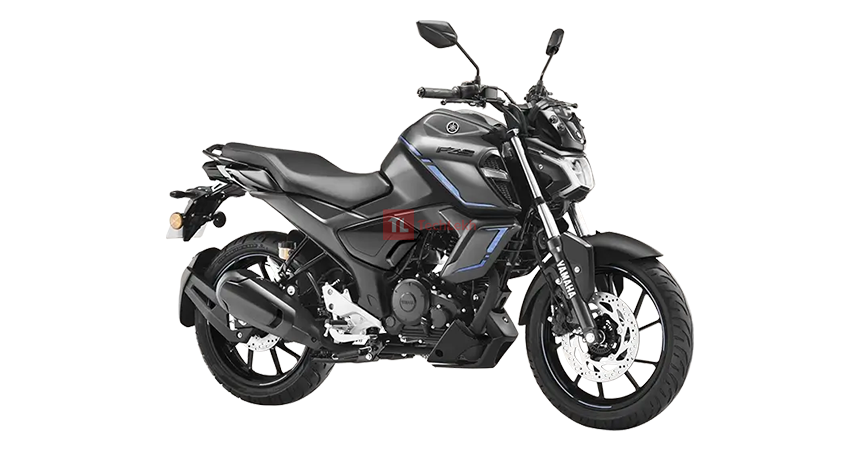
With this update, the FZ series has clearly moved into premium territory. While the new FZS FI does a better job of matching price with features, it repeats a familiar Yamaha pattern like the MT-15 V2 and R15 V4.
ALSO READ: Bajaj Bike Price in Nepal (April 2026 Updated)
The FZS FI now costs more than the Pulsar N160 Dual-ABS and the Apache RTR 160 4V, and sits Rs. 20,000 over the Honda Hornet 2.0 when we talk about the Hybrid variant of the FZS. That puts Yamaha in a tricky spot. From here, two outcomes are possible. Either buyers accept the higher price, and Yamaha succeeds in resetting what a premium sporty commuter should cost. Or the pricing pushes buyers away, repeating the Hornet 2.0 story of a capable bike priced out of relevance.
That said, the FZS FI still has a clear audience. For riders who value mileage, refinement, and Yamaha’s reliability over outright performance or aggressive pricing, it remains a sensible choice that balances looks, features, and everyday usability.
Yamaha FZS FI Specifications
- Engine Type: Single Cylinder, 4 Stroke, 2-Valve, Air Cooled, SOHC, FI
- Displacement: 149 cc – BS6
- Starting Mechanism: Self-Starter Only
- Performance: 12.4 PS @ 7250 rpm (Power) / 13.3 Nm @ 5500 rpm (Torque)
- Gearbox: 5-Speed
- Fuel Tank Capacity: 13 liters
- Tyre: 100/80-17 (Front) / 140/60-17 (Rear)
- Braking System: Single-Channel ABS
- Suspension Setup: 41mm Telescopic Front Forks and Swingarm
- Seat Height: 790 mm
- Ground Clearance: 165 mm
- Kerb Weight:
- 137 kg (New Gen)
- 138 kg (Hybrid)
- Colors:
- Metallic Grey, Matte Black, Ice Fluo-Vermillion, Cyber Green (New Gen)
- Cyan Metallic Grey, Racing Blue, Matte Black (Hybrid)
Yamaha FZS-FI v4 Price in Nepal: Rs. 4,34,900 (New Gen) / Rs. 4,89,900 (Hybrid)
Yamaha FZ X FI
Yamaha FZX Summary
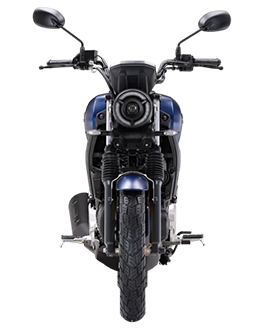
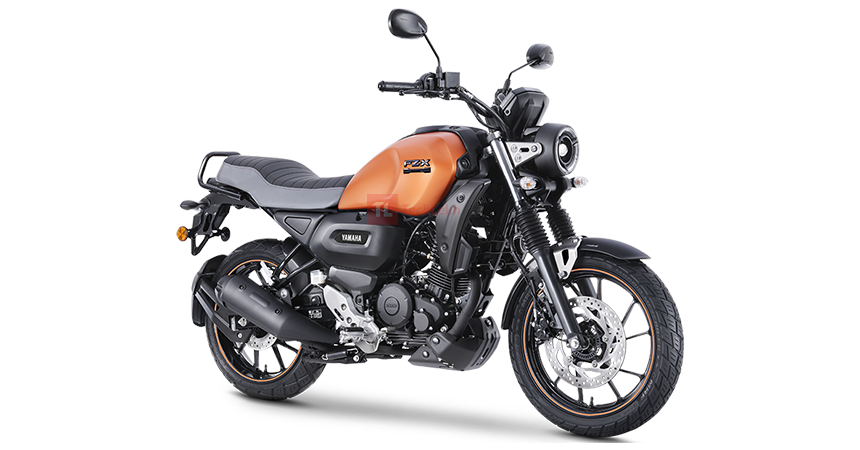
The Yamaha FZ-X takes the familiar FZ platform in a different direction. It retains the core strengths of the FZ series, but stumbles in key areas. The polarizing design and lack of segment-defining features mean the neo-retro theme is not fully realized.
Rs. 4,45,900
Pros
- Excellent build and finish
- Fuel-efficient performance
- Comfortable for daily commutes
Cons
- Limited top-end performance
- Unique but polarizing styling
- Lack of new updates
Should You Buy?
The Yamaha FZ-X tries to carve out a unique space as the first neo-retro motorcycle in the 150cc segment. Built on the FZS platform, it shares the same refined and fuel-efficient Blue Core engine, which works well in city conditions. The upright riding posture and relaxed front-set footpeg make it comfortable for daily use and manageable on highways, though performance is clearly not its strength. With 12.4 PS and 13.3 Nm, it sits on the lower end of the segment and never feels exciting at higher speeds. That said, Yamaha has added several neo-retro specific touches like a Metal Body, LED Projector headlamp, larger Digital Meter, Block-pattern Tyres, Fork Boots, and a Tuck-and-Roll Seat. These are not just cosmetic changes and do add some practicality. Plus, the fit and finish are also a step up over the regular FZS.
Where the FZ-X struggles is in cohesion. While the neo-retro idea gives it a distinct identity, the design language feels inconsistent. A round headlamp paired with non-matching elements like the rectangular tail lamp/meter, oval mirrors/indicators, and an out-of-place mudguard makes the styling feel confused rather than intentional. It looks different from some angles, but polarizing from others. The same issue carries over to the feature set. Being tied to the FZS platform seems to have limited Yamaha’s willingness to take risks. As a result, the price feels hard to justify. It comes across as Yamaha wanting to tick the “neo-retro” box rather than fully committing to it. Compared to something like the XSR 155, the FZ-X lacks the same level of thought and execution, making it feel like a good idea that was never fully realized.
Rivals
Yamaha FZ X rivals TVS Ronin 225 and Royal Enfield Hunter 350.
Both the TVS Ronin and Royal Enfield Hunter are expensive, which is expected for what they offer. The problem for the FZ-X is its pricing. It sits in the same bracket, which naturally invites direct comparison. And in that comparison, the Yamaha is at a clear disadvantage. Both rivals offer larger engines and noticeably stronger performance, with the FZ-X trailing behind by almost 8 PS in power and 6 Nm to 13 Nm in torque.
The Ronin 225 stands out as the most feature-packed option here, with a 41mm USD fork, full LED lighting, Adjustable Levers, Glide-Through Technology, and multiple ABS modes. On the other hand, the Hunter 350 plays the emotional card well. Its design, proportions, and Royal Enfield legacy give it strong appeal, and the latest update with a Slipper Clutch, Dual-channel ABS, and an LED headlamp has only strengthened that position. But this comes at a price, making it the most expensive of the three.
The FZ-X has only one clear advantage: fuel efficiency. With a real-world figure of around 45–50 kmpl, it easily beats the Ronin and Hunter, which average closer to 30–35 kmpl. But that advantage caters to a very narrow audience. In a segment where buyers expect either strong performance, standout features, or emotional appeal, the FZ-X struggles to shine. That is why its appeal has steadily faded since the Ronin and Hunter entered the picture.
Yamaha FZ X Specifications
- Engine Type: Single Cylinder, 4 Stroke, 2-Valve, Air Cooled, SOHC
- Displacement: 149 cc – BS6
- Performance: 12.4 PS @ 7250 rpm (Power) / 13.3 Nm @ 5500 rpm (Torque)
- Gearbox: 5-Speed
- Fuel Tank Capacity: 10 liters
- Tyre: 100/80-17 (Front) / 140/60-R17 (Rear)
- Braking System: Dual Disc with Single-Channel ABS
- Suspension Setup: 41mm Telescopic Front Forks and 7-Step Adjustable Monocross
- Seat Height: 810 mm
- Ground Clearance: 165 mm
- Kerb Weight: 139 kg
- Colors: Matt Copper, Matt Black, Metallic Blue
Yamaha FZ X Price in Nepal: Rs. 4,45,900
Yamaha FZS-FI v3
Yamaha FZS v3 Summary
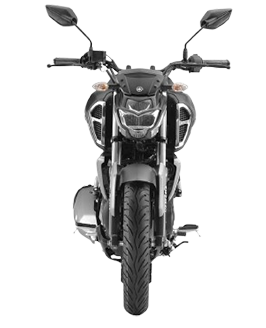
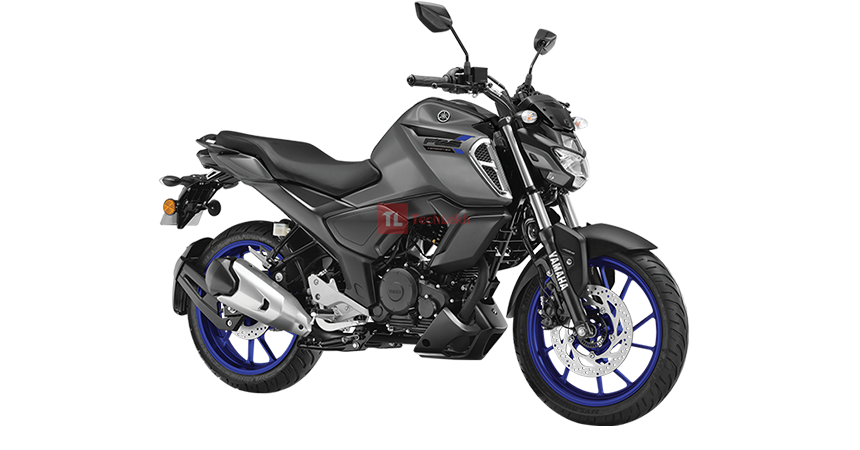
The Yamaha FZS V3 prioritizes comfort and fuel efficiency more than outright performance. It may not be the most exciting Yamaha on sale, but it continues to enjoy strong popularity in Nepal for its smooth, practical, and easy-going nature.
Rs. 3,84,900 (FZ v3 STD)
Rs. 3,89,900 (FZ v3 STD – Colored Wheel)
Rs. 4,10,900 (FZS v3 DLX)
Rs. 4,15,900 (FZS v3 DLX – Colored Wheel)
Pros
- Refined and efficient performance
- Lightweight with excellent handling
- Comfortable for daily commutes
Cons
- Lack of excitement
- Build and finish could improve
- Basic feature
Should You Buy?
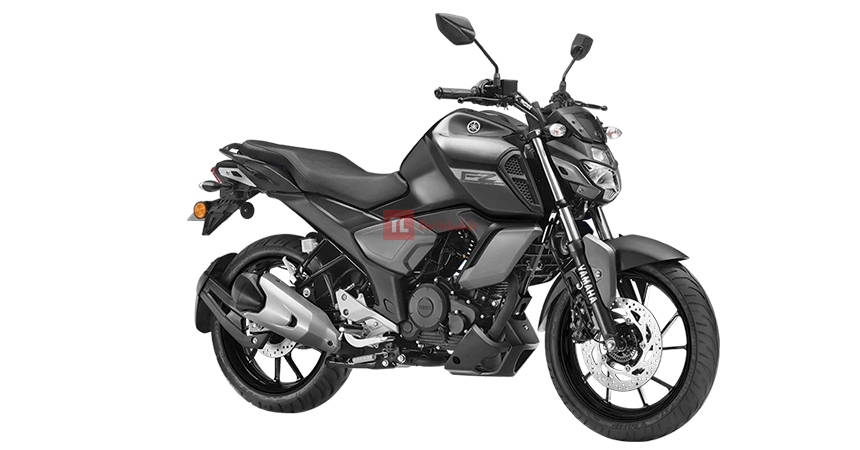
The Yamaha FZS V3 continues the familiar FZ formula. It is a versatile sporty commuter thanks to its refined Blue Core engine. While it is the least powerful motorcycle in the 150cc segment, the strong mid-range makes it capable enough for daily city riding. It also offers one of the most comfortable pillion seats in its class. The 140-section rear tyre, light 135 kg kerb weight, and confidence-inspiring diamond frame give it stable and predictable handling, especially through corners. As a daily commuter, it checks the basics well: fuel-efficient, comfortable, and practical.
That said, its weaknesses are hard to ignore. Highway performance feels flat, and initial pickup is not particularly exciting. Build quality is another concern. As the first major update from V2 to V3, the fit and finish feel inconsistent around the tank panels with visible gaps. While Yamaha has addressed these issues in newer generations, the quality of the plastic parts on this version is poor. More importantly, this is essentially the same Version 3 that launched in 2019. So, the features list feels outdated by today’s standards. The small LCD meter displays limited information, and the Class-C headlamp struggles with nighttime visibility. And the decision to remove ABS on the Standard variant only makes the package feel more compromised than it should be.
Variants
The Yamaha FZS Version 3 is offered in two trims: Standard and Deluxe. Together, these are available across four variants in Nepal. All versions share the same BS6-compliant Blue Core engine, along with the same performance, features, and overall styling. The key differences lie in the color options, wheel finishes, and the availability of Single-Channel ABS on select variants.
Here is a quick breakdown of the Yamaha FZS Version 3 variants available in Nepal.
| Yamaha FZS v3 Variants | STD – Base | STD – Top | DLX – Base | DLX – Top |
|---|---|---|---|---|
| Price in Nepal 2026 | Rs. 384900 | Rs. 389900 | Rs. 410900 | Rs. 415900 |
| Single-Channel ABS | - | - | Yes | Yes |
| Colored Wheels | - | Yes | - | Yes |
| Colors Options | Black / Blue | Green | Blue | Grey / Red / White |
Rivals
Yamaha FZS v3 rivals the Bajaj Pulsar N160 and TVS Apache RTR 160 4V.
Both the Pulsar N160 and the Apache RTR 160 4V are stronger products in terms of performance, features, and value for money. The updated N160 raises the bar with segment-leading Dual-Channel ABS, a projector LED headlamp with an all-LED setup, and USD forks. It also produces around 3.6 PS more power and 1.35 Nm more torque than the FZS. Moreover, the trademark Wide Torque Band makes it feel noticeably more responsive in real-world riding.
The TVS Apache RTR 160 4V comes in a close second. While it misses out on Dual-Channel ABS, it delivers the strongest outright performance in the segment, producing a massive 5.15 PS more than the FZS thanks to its 4-valve engine. It also leads in features, offering Adjustable Levers, Riding Modes, and the SmartXonnect system with Bluetooth connectivity. On top of that, it manages to be the most affordable option among the three.
The Yamaha FZS V3 struggles to stand out because it is neither the most powerful nor the most feature-rich. Where it still holds some ground is in its balanced nature. It offers commuter-friendly efficiency and predictable dynamics without feeling overly basic or dull, which may still appeal to riders who prioritize smoothness and everyday reliability over outright numbers.
ALSO READ: Royal Enfield Bike Price in Nepal (April 2026 Updated)
Yamaha FZS v3 Specifications
- Engine Type: Single Cylinder, 4 Stroke, 2-Valve, Air Cooled, SOHC, FI
- Displacement: 149 cc – BS6
- Starting Mechanism: Self-Starter Only
- Performance: 12.4 PS @ 7250 rpm (Power) / 13.3 Nm @ 5500 rpm (Torque)
- Gearbox: 5-Speed
- Fuel Tank Capacity: 13 liters
- Tyre: 100/80-17 (Front) / 140/60-17 (Rear)
- Braking System:
- Dual-Disc with no ABS in STD
- Dual-Disc with Single-Channel ABS in DLX Only
- Suspension Setup: 41mm Telescopic Front Forks and Swingarm
- Seat Height: 790 mm
- Ground Clearance: 165 mm
- Kerb Weight: 135 kg
- Colors:
- Metallic Black, Racing Blue, Cyber Green in FZ v3 STD
- Matt Blue, Grey, Matte Red, Matte Blue, Ice Fluo-Vermillion in FZS v3 DLX
Yamaha FZS v3 Price in Nepal: Rs. 3,84,900 – Rs. 4,15,900
Yamaha FZS-FI v2
Yamaha FZS v2 Summary
The Yamaha FZS V2 defined the segment with its muscular design and fuel-injected efficiency. It is a stylish and reliable sporty commuter that successfully defined the 150cc segment for the masses.
Rs. 3,66,900 (FZ v2)
Rs. 3,84,900 (FZS v2)
Pros
- FZ v1-inspired styling
- Robust build quality
- Excellent resale value over FZS v3
Cons
- Slightly sporty riding stance
- Basic features
- Still a premium 150cc offering
Should You Buy?
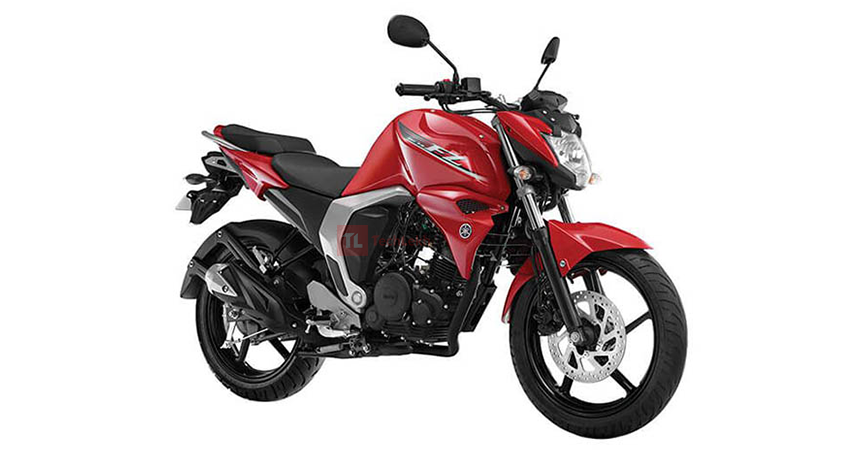
The Yamaha FZS Version 2 carries forward the macho styling inspired by the original FZ16’s Triple Muscular design. This look is still widely appreciated in Nepal, often more than by the newer generations. Build quality is a strong point here, with better-finished plastics, cleaner panel gaps, and a solid tank design. Paired with the proven Blue Core FI engine, the FZS V2 delivers a well-rounded commuter package focused on fuel efficiency, comfort, and predictable handling. Its upright ergonomics, soft suspension, and lightweight chassis make it easy to live with every day. This balance is also why the FZS V2 continues to hold strong resale value, even outperforming the Version 3 in that regard.
That said, it is still a Version 2 motorcycle in today’s market. The riding posture is slightly sportier than the FZS V3, which makes it feel less relaxed on longer rides. The feature set is also dated. The halogen headlamp lacks a premium feel, the orange-lit instrument cluster shows only basic information, and there is no ABS on offer at all. These compromises would be easier to accept if the pricing were more aggressive. With newer rivals offering better features at lower prices, the FZS V2 ends up feeling slightly expensive for what it delivers today.

Variants
The FZ Version 2 lineup is offered in two variants: FZ V2 and FZS V2. Both motorcycles share the same BS4-compliant fuel-injected engine and deliver identical performance. The key differences lie in braking hardware and styling elements.
Here is a quick breakdown of the Yamaha FZ Version 2 variants available in Nepal.
| Yamaha FZS v2 Variants | FZ – Front Disc | FZS – Dual Disc |
|---|---|---|
| Price in Nepal 2026 | Rs. 366900 | Rs. 384900 |
| Braking Type | Disc / Drum | Disc / Disc |
| Visor | - | Yes |
| Mirrors | Oval | Sporty |
| Alloy Wheels | Simple | Sporty |
| Color Options | Black / Red | Blue |
Rivals
Yamaha FZS v2 rivals Bajaj Pulsar N150 and TVS Apache RTR 160 2V.
This comparison mirrors what we already see with the FZS V3. Both the Pulsar N150 and the Apache RTR 160 2V sit at lower price points yet manage to offer more. Take the Pulsar N150 as an example. It costs around Rs. 10,000 more than the FZ V2, but despite sharing the same front-disc and rear-drum braking layout, it adds Single-Channel ABS. Bajaj also sweetens the deal with an LED Projector headlamp, a Kick Starter, and a larger Digital Display.
Here, the Apache RTR 160 2V goes even further. It is priced roughly Rs. 37,000 lower than the top-end FZS V2, yet offers a Dual Disc setup with Single-Channel ABS as standard. TVS adds even more value with its RT-Fi engine, Riding Modes, an LED headlamp, and a Digital Cluster with SmartXonnect connectivity. What stands out is that TVS manages to deliver this without cutting safety features, unlike Yamaha’s cost-saving approach on certain FZS V3 variants.
In terms of outright performance, all three motorcycles are fairly close. Where they differ is in priorities. Yamaha still leads in fuel efficiency and resale value. Bajaj offers a strong service network and affordable ownership. TVS, while weaker in after-sales reach, compensates with the most feature-rich and value-driven package.
Yamaha FZS FI v2 Specifications
- Engine Type: Single Cylinder, 4 Stroke, 2-Valve, Air Cooled, SOHC, FI
- Displacement: 149 cc – BS4
- Performance: 13.2 PS @ 8000 rpm (Power) / 12.8 Nm @ 6000 rpm (Torque)
- Gearbox: 5-Speed
- Fuel Tank Capacity: 12 liters
- Tyre: 100/80-17 (Front) / 140/60-R17 (Rear)
- Braking System:
- Dual Disc in FZS v2
- Disc-Drum in FZ v2
- Suspension Setup: 41mm Telescopic Front Forks and Monoshock
- Seat Height: 790 mm
- Ground Clearance: 160 mm
- Kerb Weight:
- 132 kg in FZ v2
- 133 in FZS v2
- Colors:
- Metallic Black, Metallic Red in FZ v2
- Armada Blue in FZS v2
Yamaha FZS FI v2 Price in Nepal: Rs. 3,66,900 (FZ v2) / Rs. 3,84,900 (FZS v2)
Yamaha Saluto
Yamaha Saluto 125 Summary
The Yamaha Saluto 125 is the most affordable motorcycle on this list of Yamaha bike price in Nepal. Despite checking off the necessary boxes to be a practical offering, it is too basic when compared to the segment rivals.
Rs. 2,82,900
Pros
- Refined engine
- Lightweight and nimble
- Comfortable and practical commuter
Cons
- Sluggish performance
- Very basic features
- Lack of resale value
Should You Buy?
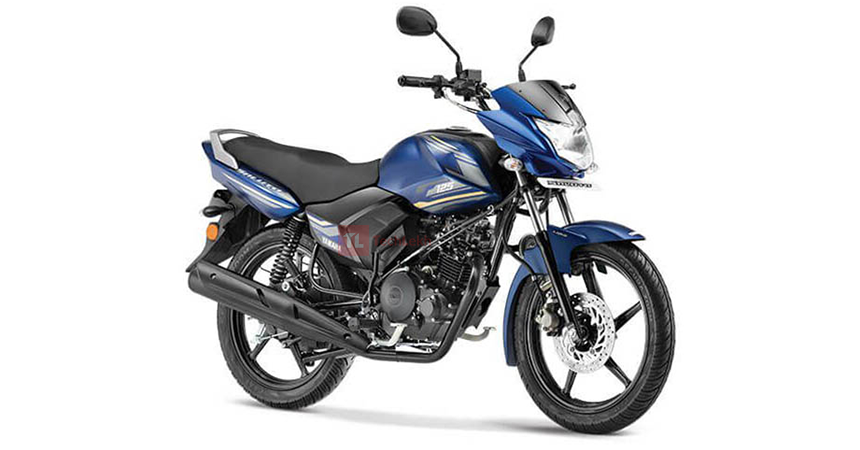
The Yamaha Saluto 125 is the most affordable Yamaha motorcycle in Nepal. It uses the familiar BlueCore engine, known for refinement and fuel efficiency. It is not an exciting motorcycle, but it does the basics well with a comfortable upright riding posture, a long seat, and a lightweight 112 kg body. As a daily commuter, it offers decent mileage and easy usability. However, it struggles to justify its position in the 125cc segment by today’s standards.
Performance is where its limitations show clearly. The engine lacks punch at low speeds, and the top-end feels weak. The feature list is equally basic, with an AC Halogen headlamp and a basic Analog Meter. The only notable highlight is the front disc brake paired with the Unified Braking System as standard. While this setup makes sense for a budget commuter, the entire offering feels more appropriate for a 100–110cc motorcycle rather than a 125cc.
Rivals
Yamaha Saluto rivals Honda Shine 125.
Even against the Honda Shine, the Yamaha Saluto feels bare-bones. The Shine’s BS6 FI engine makes 2.44 PS more power and 1 Nm more torque, and its 5-speed gearbox delivers noticeably better top-end performance. The BS6 update also adds useful features like a DC headlamp, Engine Start-Stop Switch, Silent Start with ACG, and Side-Stand Engine Cut-Off.
Beyond features, the Shine 125 benefits from Honda’s strong long-term support. It is one of Honda’s best-selling motorcycles with excellent support for spare parts availability and solid resale value. When all this comes at just around Rs. 10,000 more than the Saluto, it becomes hard to justify Yamaha’s position in the segment.
Yamaha Saluto Specifications
- Engine Type: Single Cylinder, 4-Stroke, 2-Valve, Air Cooled, SOHC
- Displacement: 125 cc – BS4
- Performance: 8.3 PS @ 7000 rpm (Power) / 10.1 Nm @ 4500 rpm (Torque)
- Gearbox: 4-Speed
- Fuel Tank Capacity: 7.6 liters
- Tyre: 80/100-17 (Front) / 80/100-17 (Rear)
- Braking System: Disc-Drum with Unified Braking System (UBS)
- Suspension Setup: Telescopic Front Forks and Twin Shock
- Seat Height: 805 mm
- Ground Clearance: 180 mm
- Kerb Weight: 114 kg
- Colors: Blue, Grey, Green
Yamaha Saluto Price in Nepal: Rs. 2,82,900
Thoughts on Yamaha Bike Price in Nepal
This was a list of Yamaha bike price in Nepal in 2026.
Yamaha offers one of the most diverse motorcycle lineups in Nepal. This spans from simple commuters to performance-focused machines. Its strength lies in consistent Japanese engineering, proven reliability, and a riding experience that rarely feels compromised, even at higher price points. Together, these motorcycles show Yamaha’s ability to serve very different riders while maintaining a clear and confident identity across segments.
Besides the Yamaha bike price in Nepal 2026 listing, check out our other motorcycle listings here.
If you have any questions related to Yamaha bikes in Nepal, leave your queries in the comments below.
Frequently Asked Questions
What is the price of Yamaha bikes in Nepal in 2026?
Yamaha bikes price in Nepal 2026 ranges from Rs. 2,82,900 for the Yamaha Saluto to Rs. 7,49,900 for the Yamaha WR 155R.
Who is the official distributor of Yamaha motorcycles in Nepal?
MAW Enterprises is the authorized distributor of Yamaha motorcycles in Nepal.
Which is the latest Yamaha bike in Nepal?
The Yamaha FZS FI is the latest Yamaha bike in Nepal.
Which is the best Yamaha motorcycle in Nepal?
Yamaha MT 15 is the best Yamaha motorcycle in Nepal. It comes with a great engine, excellent design, and mind-blowing performance.
Which is the most expensive Yamaha bike in Nepal?
The Yamaha WR155R is the most expensive Yamaha bike in Nepal. It is priced at Rs. 7.50 Lakhs.
Which is the most affordable Yamaha bike in Nepal?
The Yamaha Saluto is the most affordable Yamaha bike in Nepal. It is priced at just Rs. 2.82 Lakhs.
Are Yamaha bikes BS6 in Nepal?
Yes, Yamaha bikes are BS6-compliant in Nepal.
47 Comments
Leave a Reply
-
You Can Now Pre-Order the Samsung Galaxy A37 in Nepal: What Has Changed Really?HIGHLIGHTS The Samsung Galaxy A37 price in Nepal starts at Rs. 64,999 (8/128GB). The phone…

-
Pre-Order for Samsung Galaxy A57 Starts: The Thinnest A-Series Member Ever!HIGHLIGHTS The Samsung Galaxy A57 price in Nepal starts at Rs. 84,999 (8/256GB). The phone…
-
Nothing Phone (4a) Pro Looks Almost Perfect, and It’s Launching Soon in Nepal!HIGHLIGHTS The Nothing Phone (4a) Pro price in Nepal could start at Rs. 69,999 (8/128GB).…






I need yamha 125 cc or 150
Can you be specific? Which model are you looking to buy? We can help you connect with the official distributor.
Is new r6 available in nepal?
I need 150 yamaha bike
Could you please let me know how much price XSR 300 would be in Nepal thanks
150Cc मा SBS सहित अहिले को सबैभन्दा राम्रो बाइक कुन हो यामाहा को। म किन्ने सोच मा छु। पछाडी सिट अलि लामो भएको।
Yamaha fascino hybrid kaile milx sir
9868679242 , I want to buy ….yamaha bike …may you contact me
Hi Prakash ji,
We will get to you on this.
Hlo i waan buy sz rr bike so please contact me
My mail address: thakurbizay143@gmail.com
Sure.
Hello sir Malai saluto bike Chahiyo
Fzv2 is it available 2020 model sir? What is the current price of that..?
I’m looking for Yamaha SZ RR Red in colour. Me from Nuwakot District Trishuli bazaar bidur 01
Xtz250?
can i get yamaha nmax 155 here in birganj…??
Hello Sujit,
Please mail us your contact details at contact@techlekh.com.
We will reach you out for further details.
I want fz 25 is it possible for financial in kailali nepa
Hello Ramesh ji,
Please mail us your contact details at contact@techlekh.com.
We will reach you out for further details.
FZS25 BS6 kaily launch hunxa Nepal ma?
No launched date has been fixed. We are expecting it after a few months.
Bro yamaha xsr kaiale launch huncha nepal ma?
Can i know more about payment in installment ??
Please check this link: https://techlekh.com/yamaha-nepal-bikes-scooters-offers/
aprilia ko scooter bs6 model ma nepal ma kaile auxa hola
Aill bhanna sakinna, time lagla.
I need price list of yzf r6 please
This is the updated price list. The YZF R6 is not available.
i want R3, no price here
Comapny should produce again white and black colour Fz 250 in markets..
Blakc and white colours are the best combination colour of Fz 25.
Thank you.
dear sir can you tell me the price of yamaha R6
i want to buy yamaha fz-s fi dark knight edition 149 cc…any idea???
When will launch the FZS V2 dual disk with ABS?
IS FZ S V2 DARK KNIGHT EDITION IS STILL AVAILABLE IN 2020 IN NEPAL?
Szx 150 now availabel or not with kick
Fz 25 with projector headlight pawoxa nepalma ?
hi i want to know fazer 25 on rode price please let me know
the price of xtz 150 doesn’t seem to match; yet the page and the title in search results shows updated price of August-2021!
Hello Uadip, thank you for pointing that out! We have updated the list, so please check out the latest price of your desired Yamaha motorcycle.
FZX 150 dasain samma aauxa hola
Hello can you help me with the date, WR155R is scheduled to lunch in Nepal?
FZ V3 ra MT 15 ma single disc ma aaudaina?!
Can i get yamaha m1?
Yamaha XSR kaiale launch huncha nepal ma, ra kati jati huncha price?
When will be fz250 bs6 with projector headlight will be available in nepal????
Mt 25 launch date ?
I would like to buy Yamaha Mt 03 or Mt250 could you please provide me an information any option for those bike please