


This is the complete list of TVS scooters price in Nepal for 2026. In this article, you will find a comprehensive overview of TVS scooters in Nepal, including their specs, images, and updated pricing.
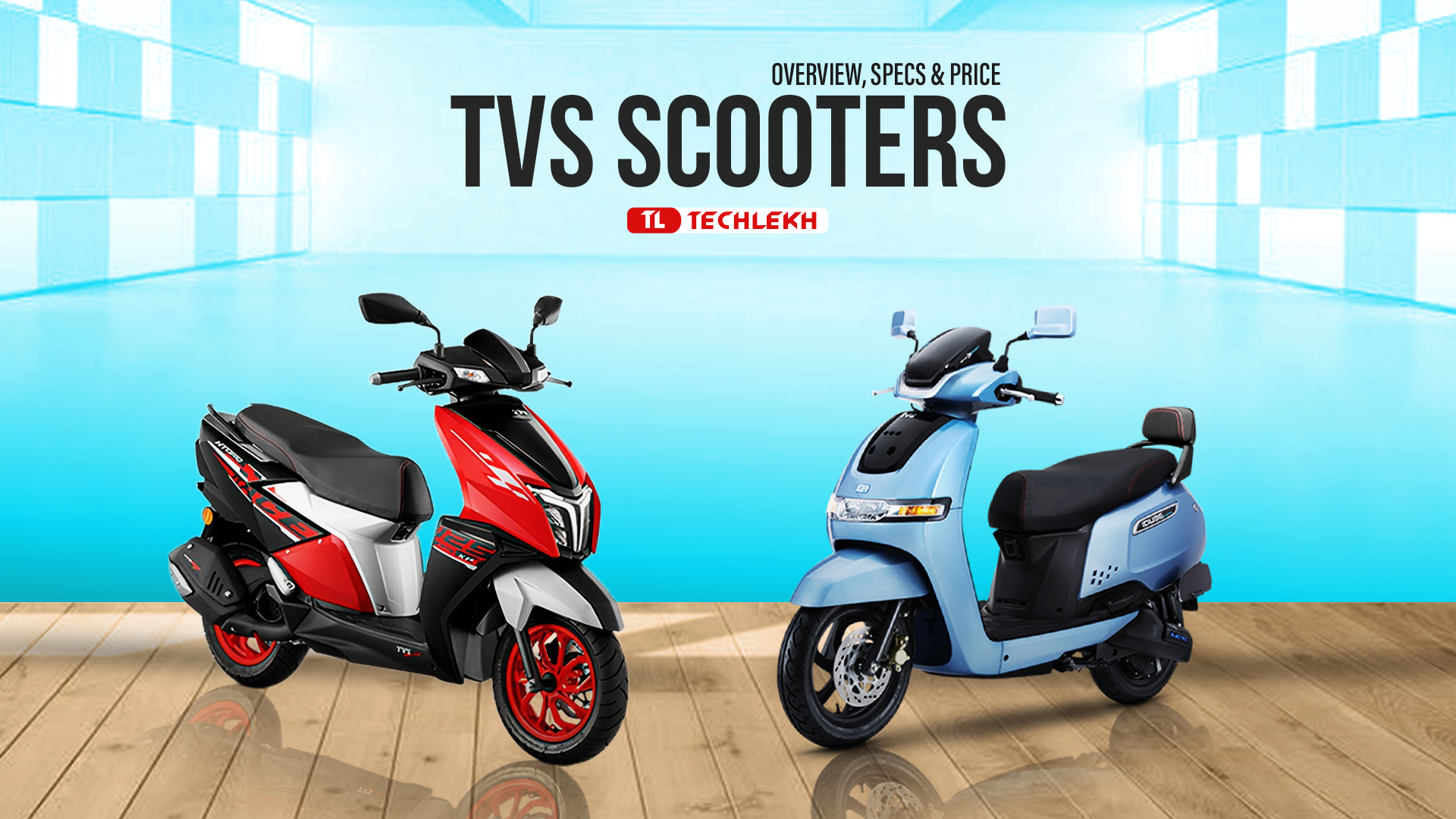
TVS Scooters in Nepal Price List
Here is a quick overview of TVS scooters in Nepal for 2082.

| TVS Scooters | Price in Nepal |
|---|---|
| TVS X | TBA |
| TVS iQube | Rs. 339900 (S – 3.5) / Rs. 314900 (3.0) / Rs. 279900 (2.2) |
| TVS NTorq XP | Rs. 332900 (Black) / Rs. 331900 (Red) |
| TVS NTorq 125 FI | Rs. 313900 (Race Edition) / Rs. 288900 (Disc) |
| TVS NTorq 125 Carb | Rs. 271900 (Disc) / Rs. 248900 (Drum) |
| TVS Jupiter 110 | Rs. 257900 |
| TVS XL | Rs. 157900 |
TVS Scooters in Nepal
Jagadamba Motors is the authorized distributor of TVS in Nepal. The company currently offers four scooter models, covering a range from practical 110cc commuters to performance-focused 125cc scooters and a fully electric option.

TVS Nepal positions its lineup around feature-rich and practical offerings suited to the local market. The TVS scooter price in Nepal 2026 starts at Rs. 2.58 lakhs for the TVS Jupiter 110 and goes up to Rs. 3.40 lakhs for the TVS iQube.
Here is a quick breakdown of the TVS scooters in Nepal:
- TVS X: It is a high-tech electric that showcases TVS’s engineering ambition. It impresses with innovation and performance, but places less emphasis on everyday value and practicality.
- TVS iQube: It is a safe, family-friendly TVS electric scooter in Nepal that focuses on comfort, familiarity, and dependable daily usability rather than outright performance.
- TVS NTorq: It is a sporty 125cc scooter that prioritizes mid-range punch and features, built for riders who value excitement over efficiency.
- TVS Jupiter: It is a practical, value-focused family scooter that balances features, space, and everyday comfort in the 110cc segment.
- TVS XL: It is a basic utility machine designed purely for load-carrying and commercial use, where function takes priority over features.
TVS Scooters Price in Nepal 2026
TVS X
TVS X Summary
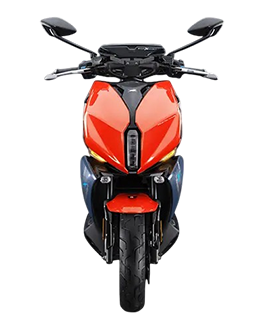


The TVS X stands out as a technological showcase with strong performance, bold design, and advanced features. However, this focus comes at the expense of practicality and value, making it a difficult choice to justify as a daily commuter.
TBA
Pros
- High-performance with excellent handling
- Futuristic design and build
- Advanced and modern features
Cons
- Most expensive TVS scooter
- Low on practicality
- Underwhelming real-world range
Should You Buy?
The TVS X is positioned as the most advanced electric scooter in TVS’s lineup so far. Built on the new XLETON platform, it features an aluminium twin-spar perimeter frame that delivers a low centre of gravity and high structural stiffness. Combined with a 7kW hub motor, this setup delivers strong performance with improved stability, cornering confidence, and overall riding dynamics. The design follows the same performance-led approach. An exposed subframe and signature TVS color scheme give it a sharp, minimal, and premium appearance. The feature list is equally impressive, including full LED lighting, a large 10.2-inch tilt-adjustable TFT display, and Dual-Disc brakes with Single-channel ABS. Electronic aids include 3 Riding Modes, 5-levels of Selectable Regen, Cruise Control, and Hill-Hold Control.
That strong impression weakens once pricing and practicality are taken into account. While the Nepal price is yet to be confirmed, the TVS X is expected to be the most expensive scooter in TVS Nepal’s lineup. This is largely because it prioritizes segment-leading technology without any cost-cutting, positioning it as a showcase of what TVS can build rather than what the market necessarily demands. As a result, everyday usability takes a back seat. The 19-litre underseat storage is modest, the floorboard-mounted charging port feels bulky, and luggage hooks are missing. More importantly, the real-world range feels underwhelming for the price. Despite its large 4.44kWh lithium-ion battery, the TVS X claims a 140km IDC range, translating to roughly 118±5 km in real-world conditions.


For early adopters who prioritize innovation and future-ready technology, the TVS X will be an appealing option. However, for buyers focused on everyday usability, practicality, and value, other electric scooters in the market remain the wiser choice.
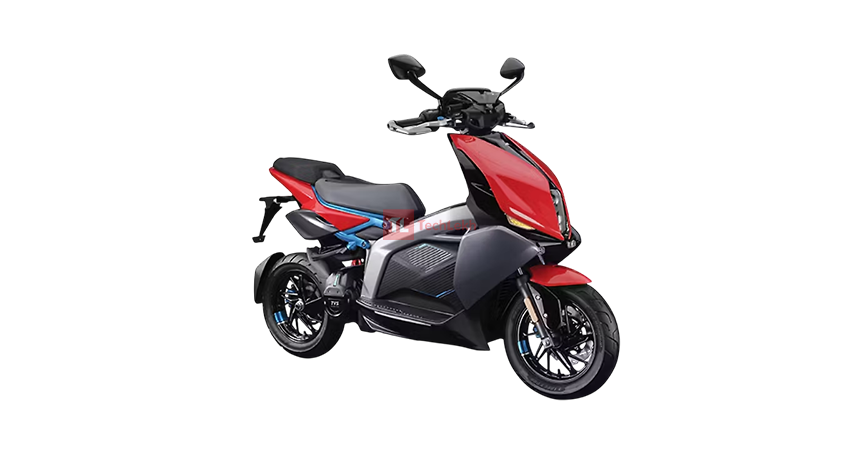
Rivals
TVS X rivals Ather 450X.
On paper, the two scooters share clear similarities. The TVS X leads on specifications, edging marginally ahead of the Ather 450X’s 6.4kW motor and 3.7kWh battery. Where it pulls further ahead is in its underlying hardware and technology, with a more advanced frame, stronger hardware package, and a more ambitious software stack.
However, the Ather 450X counters with better everyday practicality. Its 22-litre underseat storage, lighter 111 kg kerb weight, and features such as AtherStack 6 with connected tech and traction control make it easier to live with. And, it delivers this at a significantly lower price than the TVS X in India, a gap that is likely to carry over to the Nepal market as well.
Despite being aware of this gap, TVS has priced the X higher to position it as a showcase rather than a volume product. It may not make sense from a value perspective, but that was always the intent behind the TVS X from the very start.
TVS X Specifications
- Motor: 7 kW BLDC Motor with Ram-Air Cooling
- Battery: 4.44 kWh Lithium Ion (Non-Removable)
- Performance: 4.40 kW (Power) / 37 Nm
- Range:
- 149 km (IDC)
- up to 118 km (True Range in Xtealth Mode)
- Top Speed:
- 55 Kmph – Xtealth Mode
- 75 Kmph – Xtride Mode
- 105 Kmph – Xonic Mode
- Charging Time:
- 4.5 hours (0% to 80%) – 950 W Charging
- 50 minutes (0% to 50%) – 3 kW Charging
- Tyres Size: 100/80-12 (Front) / 110/80-12 (Rear)
- Braking Type: Dual Disc with Single-Channel ABS + Regen
- Suspension: Telescopic Fork and Off-Set Mono-Shock Absorber
- Seat Height: 770 mm
- Ground Clearance: 175 mm
- Underseat Storage: 19 liters
- Weight: 137 kg
- Colors: Adrenaline Red
TVS X Price in Nepal: TBA
TVS iQube
TVS iQube Summary
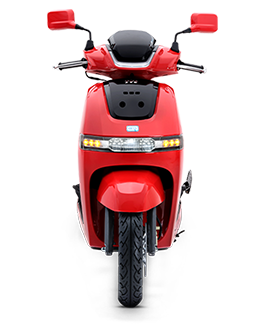
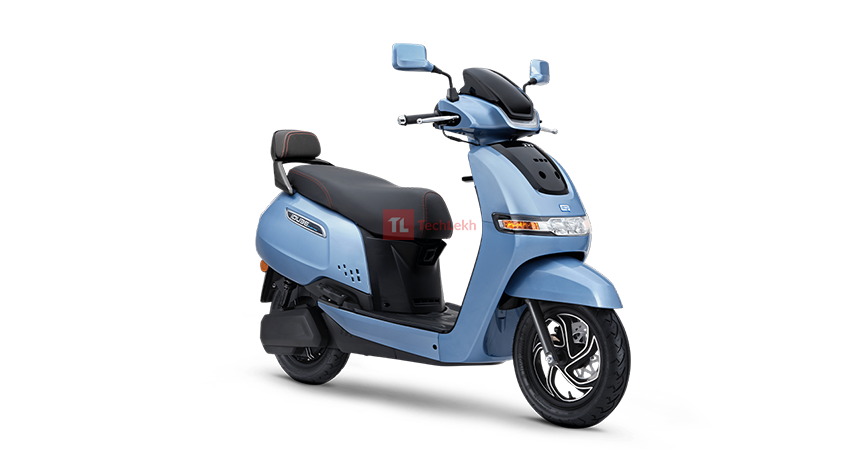
The TVS iQube is a practical and dependable electric scooter that focuses on comfort, usability, and everyday reliability. While it may lack punch and faster charging compared to the rivals, it delivers a smoother, simpler, and more familiar riding experience.
Rs. 2,79,900 (2.2kWh – Base)
Rs. 3,14,900 (3.0 kWh – Mid)
Rs. 3,39,900 (S 3.5 kWh – Top)
Pros
- Solid build and attractive styling
- Practical and usable features
- Good value for offering
Cons
- Underwhelming motor performance in special cases
- Long charging time
- Auto-enabled regen braking
Should You Buy?
The TVS iQube remains one of the most popular electric scooters in Nepal for good reason. Despite being fully electric, it feels familiar to ride, with a solid weight and robust build quality that closely matches TVS’s ICE scooters. The overall fit and finish inspire confidence, making it an easy transition for traditional scooter buyers. It further strengthens its case with practical features such as a 7-inch TFT console, Q-Park Assist, and generous 30–32-litre underseat storage. Battery options ranging from 2.2kWh to 3.5kWh deliver up to 115km of real-world range, which is sufficient for most city commutes. It may not be the most exciting EV in the segment, but it is among the most dependable and user-friendly.
That said, there is room for improvement. The difference between variants is largely limited to battery size and features, while the 4.4kW motor output remains the same across the lineup. For most use cases, the motor performs adequately. But under demanding conditions such as uphill riding with a pillion, it can feel strained. Offering a more powerful motor in higher variants would better justify the price difference. Similarly, charging time on the larger battery variants takes over 4.5 hours to reach 80%, which feels longer than necessary. This could be addressed by making the 950W charger standard instead of the 650W unit. One area for improvement is making regenerative braking customizable. Currently, it feels somewhat aggressive and activates automatically when the battery charge drops below 90%, which may not be suitable for all riders.
Overall, the TVS iQube stands as one of the safest EV choices in the Nepali market. It strikes a balanced mix of performance, features, and range. However, for those seeking a more engaging or performance-oriented electric scooter, there are more exciting alternatives available.
Variants
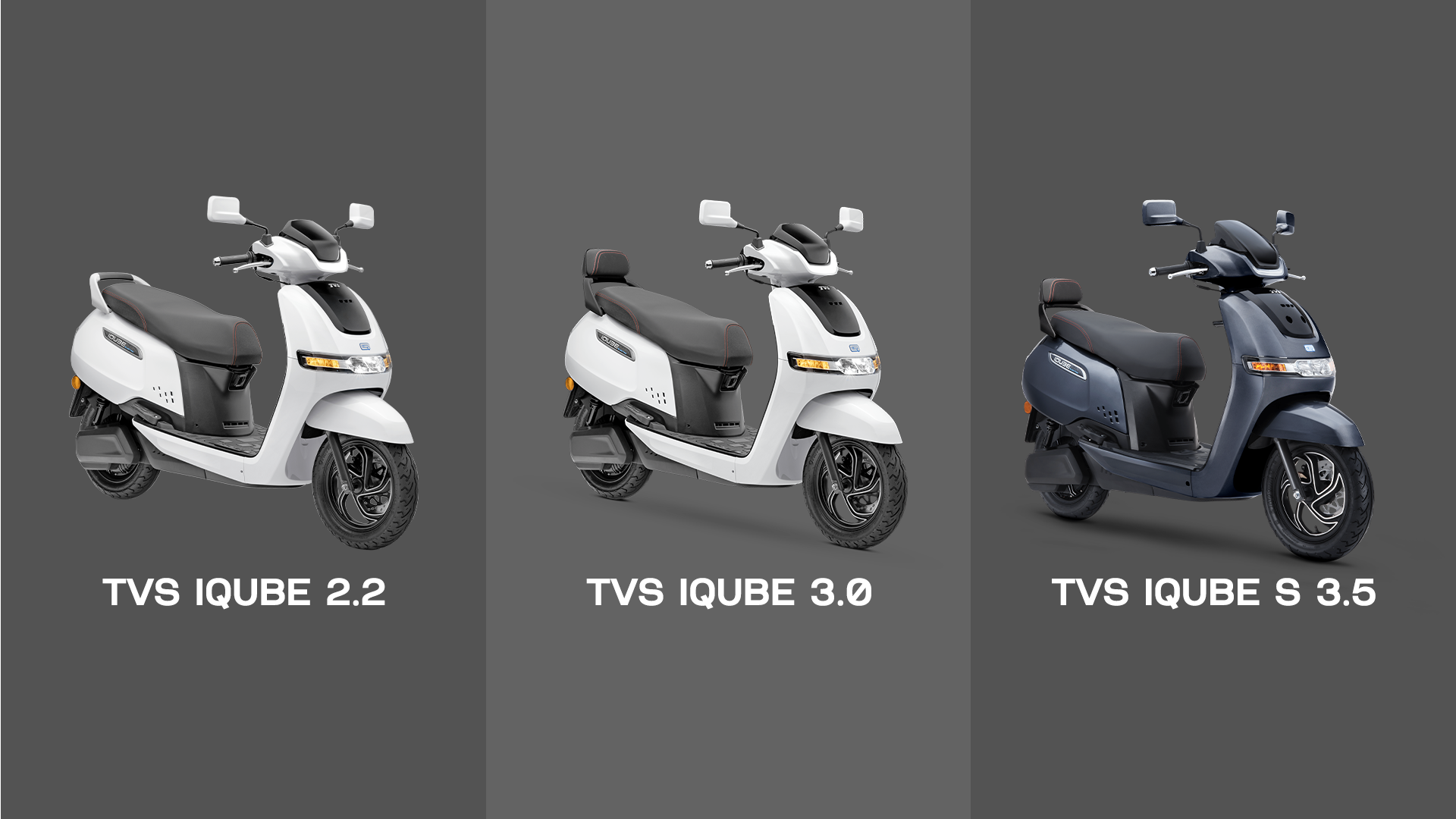
The TVS iQube electric scooter is offered in three variants: iQube 2.2, iQube 3.0, and iQube 3.5. All three share the same design and motor setup, but they differ in battery capacity, real-world range, charging time, and feature list.
| TVS iQube Variants | iQube 2.2 | iQube 3.0 | iQube 3.5 |
|---|---|---|---|
| Price in Nepal 2026 | Rs. 279900 | Rs. 314900 | Rs. 339900 |
| Battery | 2.2 kWh | 3.0 kWh | 3.5 kWh |
| True Range | 75 km | 100 km | 115 km |
| Charge Time | 2 hours (0-80%) | 4.5 hours (0-80%) | 4.5 hours (0-80%) |
| Charger | 950W | 650W | 650W |
| Top-Speed | 75km/h | 82 km/h | 78km/h |
| Under-seat Storage | 30 liters | 32 liters | 32 liters |
| Instrument Console | 5-inch TFT | 5-inch TFT | 7-inch TFT with HMI Joystick + Voice Assist + Music Control |
| Back Rest | - | Yes | Yes |
| Weight | 110 kg | 116.8 kg | 118.6 kg |
| Colors | 3 options | 4 options | 3 options |
Rivals
TVS iQube rivals Bajaj Chetak. Both electric scooters are closely matched in both performance and pricing, but they take slightly different approaches.
The iQube gains an early advantage with a marginally more powerful motor and a higher top speed compared to the Chetak’s 73km/h limit. It also feels more conventional and familiar to use, especially when compared to the Chetak’s electronic push-button interface, which comes with a learning curve. Where the iQube clearly stands out is in ride quality. Its telescopic front fork offers better stability and comfort on uneven city roads, while the Chetak’s side-link front suspension feels dated and less refined.
ALSO READ: Yamaha Scooters Price in Nepal (March 2026 Updated)
The Chetak 3501 counters with stronger practicality. It offers a keyless system, a 5-litre front storage compartment, 35 litres of underseat storage, higher ground clearance at 160mm, and a more accessible 760mm seat height. However, the solid metal body and added features push kerb weight to 129kg, which can affect range efficiency.
Bajaj addresses this with a larger 3.5kWh battery pack and a 950W on-board charger as standard, allowing for faster charging and a claimed 100km-plus real-world range. On paper, this gives the Chetak a clear edge, offering better range, quicker charging, and a strong feature set at a competitive price.
That said, the iQube still holds value for buyers who prioritise straightforward usability and a family-friendly riding experience. While the Chetak is stronger on specifications, the iQube remains equally relevant for its simplicity and ride comfort.
TVS iQube Specifications
- Motor: 4.4 kW BLDC Hub Motor
- Battery: Dual Lithium Ion (Non-Removable)
- 2.2 kWh
- 3.0 kWh
- 3.5 kWh
- Performance: 5.98 PS (Power) / 33 Nm (Torque)
- Range:
- 75 Km – 2.2 kWh
- 100 Km – 3.0 kWh
- 115 Km – 3.5 kWh
- Top Speed:
- 75 Kmph – 2.2 kWh
- 82 Kmph – 3.0 kWh
- 78 Kmph – 3.4 kWh
- Charging Time:
- 2 hours (0 to 80%) – 950 W DC Fast Charging – 2.2 kWh
- 4.5 hours (0% to 80%) – 650 W Charging – 3.0 kWh & 3.5 kWh
- 6 hours (0% to 100%) – 650 W Charging – 3.0 kWh & 3.5 kWh
- Tyres Size: 90/90-12
- Braking Type: Disc/Drum with Regen Braking (Auto-Enabled)
- Suspension: Telescopic Fork and Twin Hydraulic Absorber
- Seat Height: 770 mm
- Ground Clearance: 150 mm
- Underseat Storage:
- 30 liters – 2.2 kWh
- 32 liters – 3.0 kWh & 3.5 kWh
- Weight: 110 kg – 118.6 kg
- Colors:
- White, Brown, Titanium Grey – 2.2 kWh
- White, Titanium Grey, Starlight Blue, Copper – 3.0 kWh
- Mercury Grey, Mint Blue, Starlight Blue – 3.5 kWh
TVS iQube Price in Nepal: Rs. 2,79,900 – Rs. 3,39,900
TVS NTorq 125
TVS NTorq Summary
The TVS NTorq 125 continues to be one of the most engaging scooters in the 125cc segment, combining strong mid-range performance with a comprehensive feature list. While newer rivals may offer better efficiency and more recent updates, few can match its overall riding excitement.
Rs. 2,48,900 (Drum – Carb)
Rs. 2,71,900 (Disc – Carb)
Rs. 2,88,900 (Disc – FI)
Rs. 3,13,900 (Race Edition – FI)
Rs. 3,31,900 (Race XP – Red Color)
Rs. 3,32,900 (Race XP – Black Color)
Pros
- Best-in-class performance
- Stable handling and confidence-inspiring braking
- Feature-rich offering
Cons
- Poor mileage
- Lack of practical features
- Starting to feel dated
Should You Buy?
TVS redefined the sporty 125cc scooter segment with the NTorq 125. Its 3-valve RT-FI engine produces up to 10.2PS and 10.8Nm, delivering one of the strongest mid-range performances in the class. While the initial pickup is not as aggressive as expected, the overall throttle response and engagement make it enjoyable to ride. The 12-inch wheels paired with a relatively stiff suspension setup provide stable high-speed handling, and the disc–drum braking setup offers reassuring stopping power. Feature-wise, the NTorq remains well equipped with an LED headlamp, two Ride Modes, Voice Assist, and a detailed Digital Display with SmartXonnect connectivity.
However, the focus on performance affects fuel efficiency. The carburetted versions were known for lower mileage, and although the FI variant improves this, overall efficiency still trails behind 45+ km/l of the 125cc Japanese rivals. Practicality is another weak area. Underseat storage is limited to 20 litres, and access requires removing the key from the ignition to open the seat, a dated solution when competitors offer more convenient systems. More importantly, the NTorq has not received a major update in years beyond new colour schemes, with the Race XP variant introduced back in 2021. To stay competitive, a meaningful update now feels overdue.
Variants
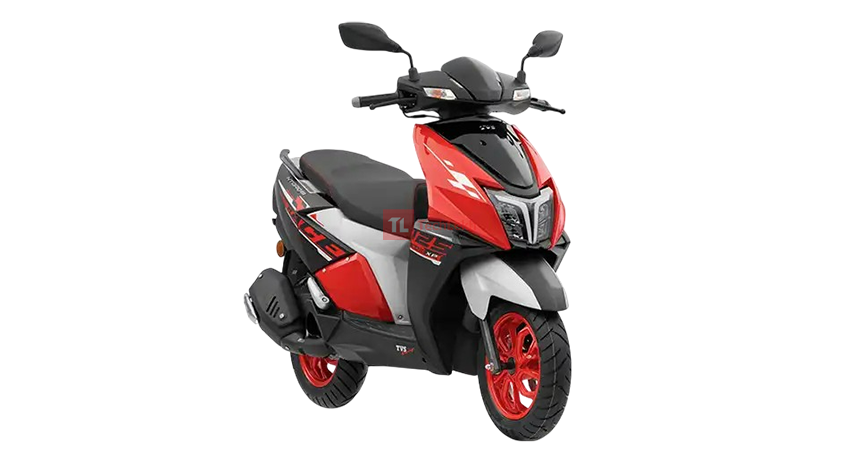
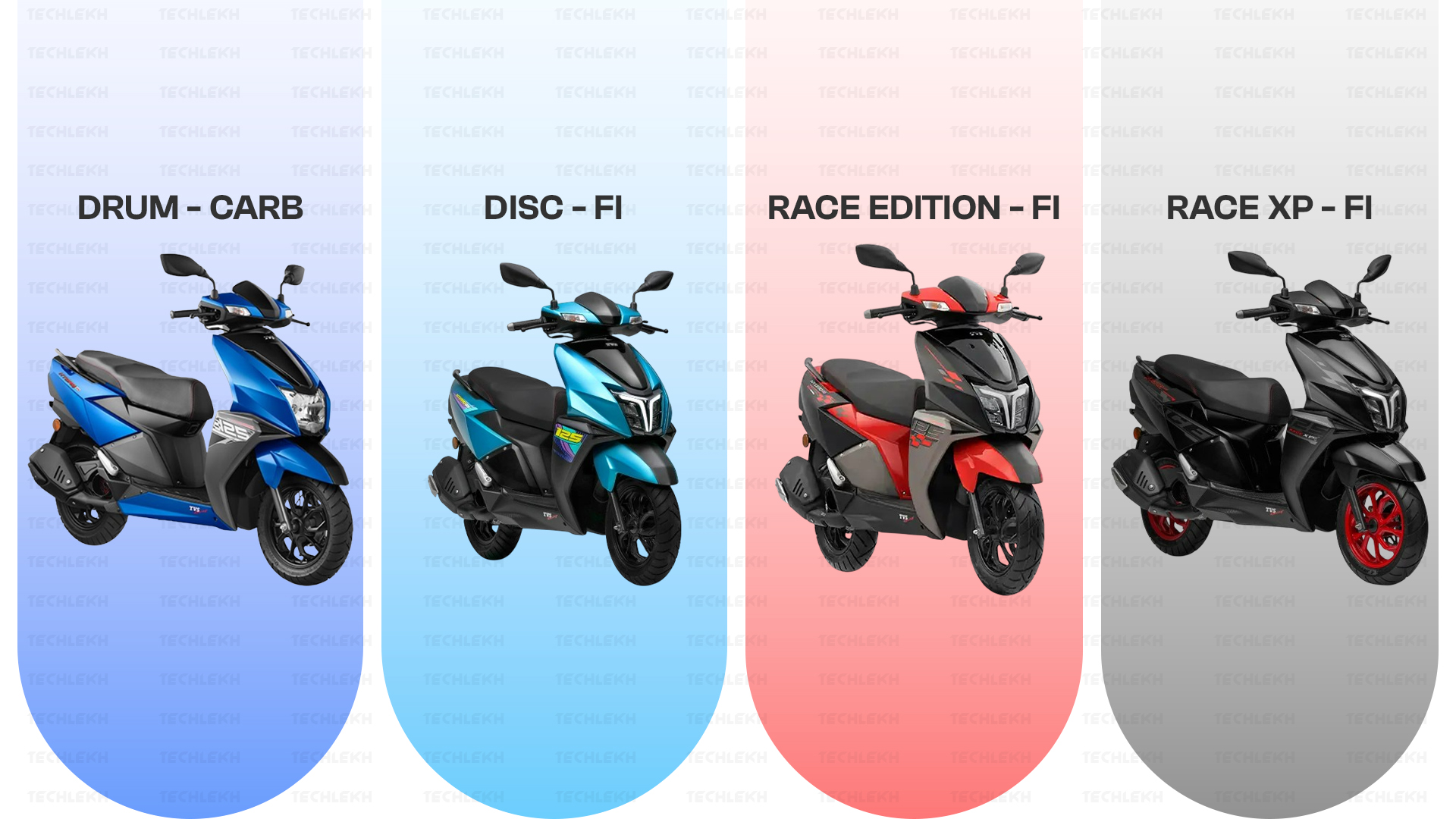
The TVS NTorq 125 is available in three trims: Carb, FI, and Race XP, spread across six variants. While the overall styling remains the same, the variants differ in engine type, sportier graphics, braking setup, and feature list. The NTorq Race XP serves as the flagship with the highest performance output and the most comprehensive feature package.
| TVS NTorq 125 Variants | Carb | FI | Race XP |
|---|---|---|---|
| Price in Nepal 2026 | Rs. 248900 (Drum) / Rs. 271900 (Disc) | Rs. 288900 (Standard) / Rs. 313900 (Race Edition) | Rs. 331900 (Red) / Rs. 332900 (Black) |
| Engine Type | BS4 – Carburetor | BS6 Fuel Injection | BS6 Fuel Injection |
| Braking | Drum Only / Front Disc | Front Disc | Front Disc |
| Headlamp | Halogen | LED | LED |
| Fuel Tank Capacity | 5 liters | 5.8 liters | 5.8 liters |
| Weight | 118 kg | 111 kg | 116 kg |
| Colors | 6 options | 7 options | 2 options |
Rivals
TVS NTorq 125 rivals Honda Dio 125 and Hero Xoom 125 R.
Honda continues to follow its proven formula of reliability, strong fuel efficiency, and a commuter-focused package that appeals to a broad audience. In contrast, TVS leans toward performance and feature-rich offerings, a strategy that has worked well for the NTorq.
ALSO READ: Honda Scooters Price in Nepal (March 2026 Updated)
Hero entered the segment later, but that timing has worked in its favour. The Xoom 125 combines the refinement and everyday usability associated with Honda with a level of sportiness closer to the NTorq. Its power output is comparable on paper, but where Hero makes a stronger case is in value. To compensate for its late entry, the Xoom 125 arrives with segment-leading features, including sportier styling, a full LED setup, 164mm ground clearance, and large 14-inch alloy wheels with a wide 120/70 rear tyre.
In terms of outright engagement and fun, the TVS NTorq Race XP still leads. However, its feature advantage is no longer as clear, as the Hero Xoom 125 has positioned itself as a stronger overall proposition in the segment.
TVS NTorq 125 Specifications
- Engine Type: Single-cylinder, 3-valve, 4-stroke, Air-Cooled,
- Displacement: 124.8 cc – BS4/BS6
- Performance:
- 9.5 PS @ 7000 rpm (Power) / 10.6 Nm @ 5500 rpm (Torque) in Carb, FI
- 10.2 PS @ 7000 rpm (Power) / 10.8 Nm @ 5500 rpm (Torque) in Race XP
- Fuel Tank Capacity: 5.8 liters in FI / 5 liters in Carb
- Mileage: 30-40 Kmpl
- Tyres: 100/80-12 (Front) / 110/80-12 (Rear)
- Braking System:
- Drum/Drum with SBS in Drum Variant Only
- Disc/Drum with SBS
- Suspension Setup: Telescopic Front Forks and Coil Spring
- Seat Height: 770 mm
- Ground Clearance: 155 mm
- Under Seat Storage Capacity: 20 liters
- Kerb Weight: 111 Kg – 118 Kg
- Colors:
- Yellow, Metallic Red, Blue, Grey, Matte Red, and White in Carb
- Nardo Grey, Turquoise Blue, Metallic Red, Blue in Disc FI
- Race Yellow, Race Red, Marine Blue in Race Edition
- Dark Black, Red in Race XP
TVS NTorq Price in Nepal: Rs. 2,48,900 – Rs. 3,32,900
TVS Jupiter 110
TVS Jupiter Summary
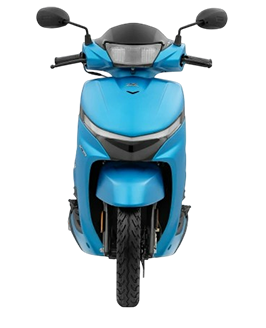
The TVS Jupiter 110 gets the fundamentals right, combining practicality, useful features, and everyday performance in a cohesive package. It stands out as the most complete 110cc scooter currently on sale, maximizing value with minimal compromise to firmly establish itself as the segment benchmark.
Rs. 2,57,900
Pros
- Family-friendly styling
- Punchy performance with mild-hybrid assist
- Practical and value-rich offering
Cons
- Lack of top-end performance
- Congested instrument cluster
- The fuel filler feels inconvenient at times
Should You Buy?
The TVS Jupiter 110 replaces the older Classic version with styling that retains its family-friendly appeal while looking more modern and refreshed. TVS has also revised the platform, drawing from the Jupiter 125 architecture but adapting it for the 110cc segment. The engine has been downsized to 113cc, delivering performance and ride quality close to its 125cc sibling while maintaining the lighter weight and fuel efficiency expected in this class. TVS has further enhanced the package with the iGO Hybrid Assist system for stronger initial pickup and an Integrated Starter Generator for silent starts and stop-go technology. The feature list includes all-LED lighting, a Metal body, Follow-Me Headlamp, Auto-off indicators, and more.
As expected in this segment, top-end performance remains limited, with a claimed top speed of just 82km/h. The more noticeable drawback is the digital display, which feels cluttered as it tries to present too much information in a confined layout. It appears busy and slightly out of place. The front fuel filler adds practicality, but its positioning may lead to minor spillage if filled to the full. These issues are not major concerns, but they do take away from an otherwise well-rounded package.
Overall, the Jupiter 110 stands out as one of the most value-focused scooters in its class, balancing price, features, and design effectively. Addressing these minor shortcomings in future updates would further strengthen an already competitive offering.
Rivals
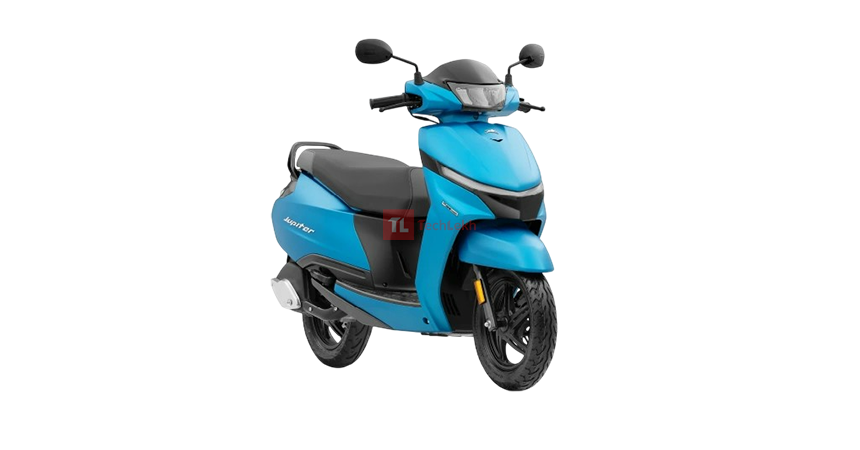
TVS Jupiter 110 rivals Hero Xoom 110 and Honda Dio 110.
All three 110cc scooters bring something different to the table at their respective price points. The Xoom 110 is the sportiest in terms of design, although its performance figures do not fully match its aggressive styling. Hero attempts to balance this with features such as a Projector LED headlamp, a wider 110/80-section 12-inch rear tyre, cornering lights, and basic smartphone connectivity.
ALSO READ: Hero Scooters Price in Nepal (March 2026 Updated)
In comparison, the Dio 110 is lighter on features but stands out for its build quality, fit and finish, and engine refinement. It may not be the most exciting option in the segment, but it remains an easy recommendation due to its proven reliability, strong spare parts availability, and solid resale value.
However, the Jupiter 110 positions itself as the most balanced option of the three. It delivers 9.8 Nm of torque with iGo Assist, making it punchier than both the Dio and the Xoom. Its 163mm ground clearance is also higher than the Dio’s 160mm and the Xoom’s 155mm. And, the biggest advantage is the segment-leading 33-litre underseat storage, offering significantly more space than its rivals.
Combined with practical features and a more planted feel, thanks to its shared platform with the Jupiter 125, the Jupiter 110 emerges as the most value-focused package here. TVS used a similar approach to reshape the 125cc segment with the NTorq, and it is now applying that same strategy in the 110cc space.
TVS Jupiter 110 Specifications
- Engine Type: Single-cylinder, 2-valve, CVTi, Air-Cooled, FI
- Displacement: 113.3 cc – BS6
- Performance: 8.2 PS @ 6500 rpm (Power) / 9.8 Nm @ 5500 rpm (Torque)
- Fuel Tank Capacity: 5.1 liters
- Mileage: 45-50 Kmpl
- Tyres: 90/90-12 (Front and Rear)
- Braking System: Disc/Drum with Sync Braking (SBS)
- Suspension Setup: Telescopic Forks and Twin Tube Emulsion Type Shock with 3-step Adjustment
- Seat Height: 790 mm
- Ground Clearance: 163 mm
- Under Seat Storage Capacity: 33 liters
- Kerb Weight: 105 Kg
- Colors: Dawn Blue Matte
TVS Jupiter 110 Price in Nepal: Rs. 2,57,900
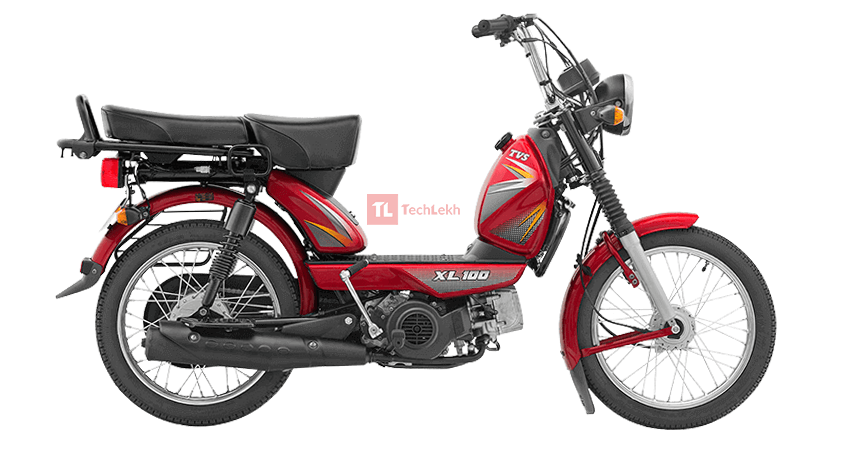
TVS XL 100 i-Touch
TVS XL 100 Summary
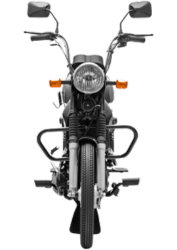
The TVS XL 100 is a simple and affordable workhorse built purely for utility, prioritizing durability and load-carrying ability over modern features and performance. For that specific purpose, it makes practical sense. Otherwise, a scooter would be the more suitable option.
Rs. 1,57,900
Pros
- Aggressive pricing
- Dubrable and practical offering
- Easy to handle and excellent for heavy-duty use
Cons
- Underpowered engine
- Basic features
- Limited appeal
Should You Buy?
The TVS XL is currently the only heavy-duty moped available in Nepal. It offers two clear advantages: affordability and simplicity. As the most affordable two-wheeler in the TVS lineup, it achieves this by being one of the simplest products on sale. Unlike other TVS models that focus on performance and features, the XL prioritises practicality and durability. Elements such as a removable rear seat, strong side hooks, and a large cargo platform with a 130kg load capacity underline its utility-focused design. This makes the TVS XL 100 a lightweight and easy-to-handle machine built primarily for work.
However, the same simplicity also limits its appeal. It is powered by a 100cc carburetted engine that produces just 4.4PS of power and 6.5Nm of torque. While mid-range usability is adequate for daily tasks, overall performance feels modest. The basic feature list further reflects its utilitarian intent, with drum brakes, AC-compatible halogen lighting, an analogue instrument cluster, and a small 4-litre fuel tank. These choices keep costs down but do little in terms of comfort or convenience. As a result, the TVS XL 100 remains a niche offering. If your primary requirement is an affordable, no-nonsense workhorse built purely for utility, the TVS XL 100 makes a strong and practical case.
Rivals
The Nepali two-wheeler market has largely shifted from mopeds to scooters, with models like the Honda Navi no longer available. However, TVS remains one of the few brands that still offers mopeds, not for leisure use but for commercial and heavy-duty practicality.
If you are looking at it from a competitive standpoint, the segment itself is limited. The focus here is not on features or performance, but on pure function. That is exactly what the TVS XL delivers. It is built to work, and beyond that, it does not try to be anything more.
TVS XL 100 Specifications
- Engine Type: Single Cylinder, 4 Stroke, Air-Cooled, Carburetor
- Displacement: 99.7 cc – BS4
- Performance: 4.4 PS @ 6000 rpm (Power) / 6.5 Nm @ 3500 rpm (Torque)
- Fuel Tank Capacity: 4 liters (including 1.25L reserve)
- Mileage: 60 Kmpl
- Tyres: 2.50 x 16
- Braking System: Drum – Sync Braking System (SBS)
- Suspension Setup: Telescopic Hydraulic Spring Type and Hydraulic Shocks
- Seat Height: 770 mm
- Ground Clearance: 158 mm
- Load Capacity: 130 Kg
- Kerb Weight: 86 Kg
- Colors: Red
TVS XL100 Price in Nepal: Rs. 1,57,900
Thoughts on TVS Scooter Price in Nepal
That was our list of TVS scooter prices in Nepal 2026.
TVS offers a broad scooter lineup in Nepal, ranging from practical commuters to stylish, performance-oriented models. It has established a presence across key segments, including 110cc, 125cc, and electric.
With value-focused offerings like the TVS Jupiter 110, TVS NTorq 125, and TVS iQube, the brand caters to a wide range of rider needs and preferences. This versatility is a key reason why TVS remains one of the more popular scooter brands in Nepal.
Besides the TVS scooter price in Nepal 2026 listing, check out our other scooter listings here.
If you have any questions related to TVS scooters in Nepal, just leave your queries in the comments below.
Frequently Asked Questions
Who is the official distributor of TVS scooters in Nepal?
Jadagamba Motors is the authorized distributor of TVS scooty in Nepal.
Which is the best TVS scooter in Nepal?
TVS NTorq 125 is the best 125cc scooter in Nepal. It comes with a great engine, excellent design, and engaging performance.
Which is the most expensive TVS scooter in Nepal?
TVS NTorq Race XP is the most expensive TVS Scooter in Nepal. It is priced at Rs. 3.33 Lakhs.
Which is the most affordable TVS scooter in Nepal?
TVS Jupiter 110 is the most affordable TVS scooter in Nepal. It is priced at just Rs. 2.58 Lakhs.
Are BS6 versions of TVS Scooters available in Nepal?
Yes, TVS Nepal now offers BS6 versions of TVS scooters available in Nepal.
What are the differences in the NTorq variants?
The TVS NTorq 125 is available across six variants. While the overall styling remains the same, the variants differ in engine type, sportier graphics, braking setup, and feature list.

-
Honor Magic 8 Pro Confirmed to Launch in Nepal with a 200MP Periscope LensHIGHLIGHTS The Honor Magic 8 Pro price in Nepal could start from Rs. 1,84,999 for…

-
Honor X8d Teased in Nepal! What Has Changed?HIGHLIGHTS The Honor X8d price in Nepal is expected to start at Rs. 39,999 (8/512GB).…
-
OPPO Find N6: World’s First “Zero Crease” Foldable Coming Soon to Nepal?HIGHLIGHTS The OPPO Find N6 price in Nepal is expected to start at Rs. 2,99,999…