


HIGHLIGHTS
- The Xiaomi 18 Pro Series price in Nepal could start at Rs. 2,04,999 (12/256GB).
- Xiaomi 18 Pro series includes two smartphones: Xiaomi 18 Pro and Xiaomi 18 Pro Max.
- The Pro model is powered by Snapdragon 8 Elite Gen 6, while Pro Max runs Snapdragon 8 Elite Extreme Gen 6.
Xiaomi’s flagship 18 series is finally here. Well, at least in China. But as soon as the phones were announced, Xiaomi’s local wing in Nepal also announced that the series is coming soon to the country.

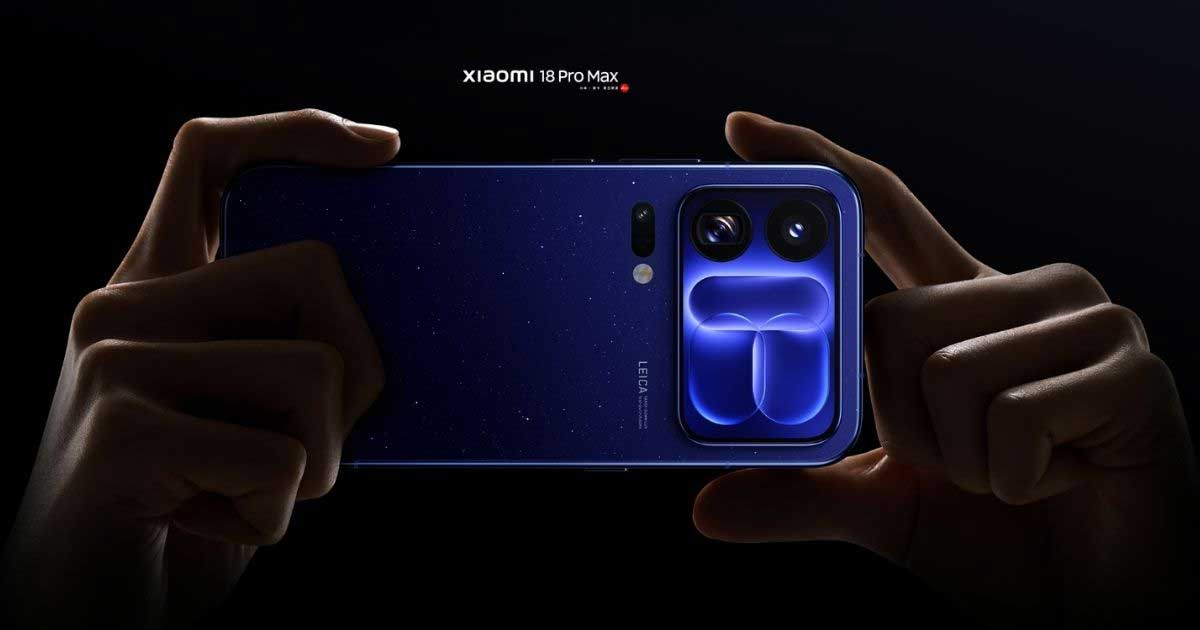
Ever since the Xiaomi 15, Nepal has only seen the super flagship, the Xiaomi Ultra, and the Xiaomi T model. As for the Pro model, we haven’t seen it since the Xiaomi 13 Pro all the way back in 2023.
So it’s kind of exciting that we’re finally getting both the Pro and Pro Max variants this time. It’s even more exciting because the Pro series got a major redesign and some genuinely big upgrades last year on the 17 series, which Nepal never got to see.

What is the Price of Xiaomi 18 Pro Series in Nepal?
Currently, the Xiaomi 18 Pro series has only launched in China. The global variant hasn’t made its official debut yet, so pricing is anyone’s guess at this point.
There’s no doubt that almost every Xiaomi phone, whether Redmi, POCO, or the Xiaomi series itself, has always tried to be aggressive with its pricing strategy. And even converting the Chinese starting price, the Xiaomi 18 Pro comes in at around Rs. 1,37,000 (CNY 6,000), and the Xiaomi 18 Pro Max comes at Rs. 1,60,000 (CNY 7,000). But that feels totally unrealistic, given current smartphone prices in Nepal.
However, seeing that the Xiaomi 17 Ultra launched at CNY 7,499 in China and landed at Rs. 1,99,999 in Nepal, the Xiaomi 18 Pro price in Nepal could be around Rs. 2,04,999 (12/256GB), while the Xiaomi 18 Pro Max could go up to Rs. 2,59,999 (16/512GB).
And because the global models have not launched yet, some specifications could change for international markets. In fact, there are already reports suggesting the global versions could get smaller battery capacities than the Chinese models, although Xiaomi has not officially confirmed those changes yet.
Before we jump into the nitty-gritty of the Xiaomi 18 Pro phones, there’s a bit of a backstory to it, since the Xiaomi 17 Pro series never made it into Nepal.






Ever since Apple popularized the camera plateau design starting with the iPhone 17 series in 2025, every smartphone, from budget to flagship, has been taking “inspiration” from it. Xiaomi did too, but they one-upped Apple by slapping an entire display onto the camera plateau.

But that’s not the only area where Xiaomi’s flagship tried to mirror Apple’s. You see, Xiaomi’s flagship was expected to be called the Xiaomi 16 series. But since Apple’s devices were called the iPhone 17 that year, Xiaomi skipped straight to the Xiaomi 17 as well. Well, at least that’s what I think.
Not only that, just like the iPhone 17 Pro and Pro Max, Xiaomi called theirs the Xiaomi 17 Pro and Pro Max, one way to make sure nobody forgets who they’re taking notes from.
This year, like the iPhone 18 series, we got the Xiaomi 18 series.
ALSO READ: Samsung S26 Ultra Price in Nepal (October 2026 Updated)
Xiaomi 18 Pro Series Overview
While Xiaomi may have taken inspiration from the camera plateau on the iPhone, both the Xiaomi 18 Pro and Pro Max look nothing like the iPhone 18 Pro and Pro Max, just like how the Xiaomi 17 Pro and Pro Max looked nothing like the iPhone 17. And the big reason for that is the rear display, which sits alongside the dual-camera setup.
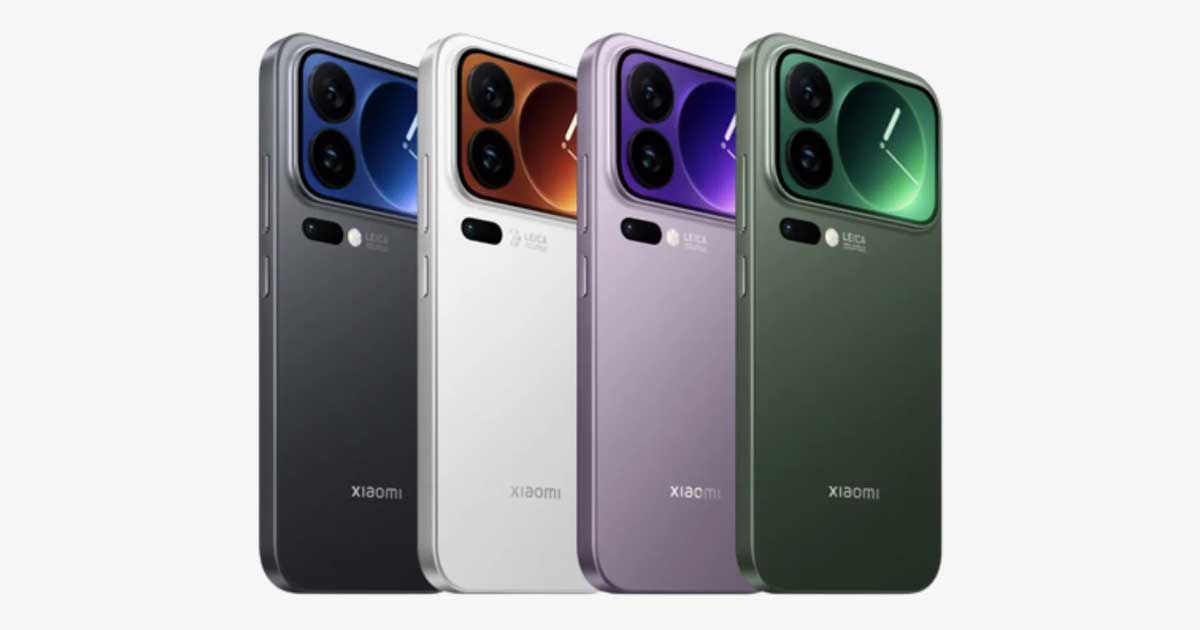
Don’t worry, there’s still a third camera; it’s just not sitting on the camera plateau like we’ve grown used to seeing. There’s a small ultrawide sensor tucked away alongside a flashlight, and that’s your third camera.
There’s also an action button, which Xiaomi calls the AI Button. A single press can add whatever you’re doing to Xiao AI’s memory, while a long press gives you more options, like launching a voice note, switching to silent mode, or turning on the privacy display. Yes, there’s a privacy display, which I’ll get to in a bit.
As for the feel of the two phones, you might have already guessed it. The Xiaomi 18 Pro, like the iPhone 18 Pro, is the smaller of the two, targeted at buyers who prefer a compact option, with a 6.4-inch display. The Xiaomi 18 Pro Max, meanwhile, is the bigger, wider option with a 6.9-inch display, similar to the iPhone 18 Pro Max.
While the two phones feature different display sizes, sharpness-wise, you likely won’t notice much difference. That’s because the smaller 18 Pro, despite having a lower resolution of 1,120 x 2,436 compared to the Pro Max’s 1,208 x 2,624, still runs a nearly identical pixel density of about 418PPI.
Both are LTPO displays, just like last year’s Xiaomi 17 Pro series. But what’s new this time is that both the Xiaomi 18 Pro and Pro Max feature BT.2020 color support, which simply means the display can reproduce a much wider and more accurate range of colors than before.
For protection, it’s now protected by Xiaomi’s Dragon Crystal Glass 3, instead of the standard Dragon Crystal Glass from before.
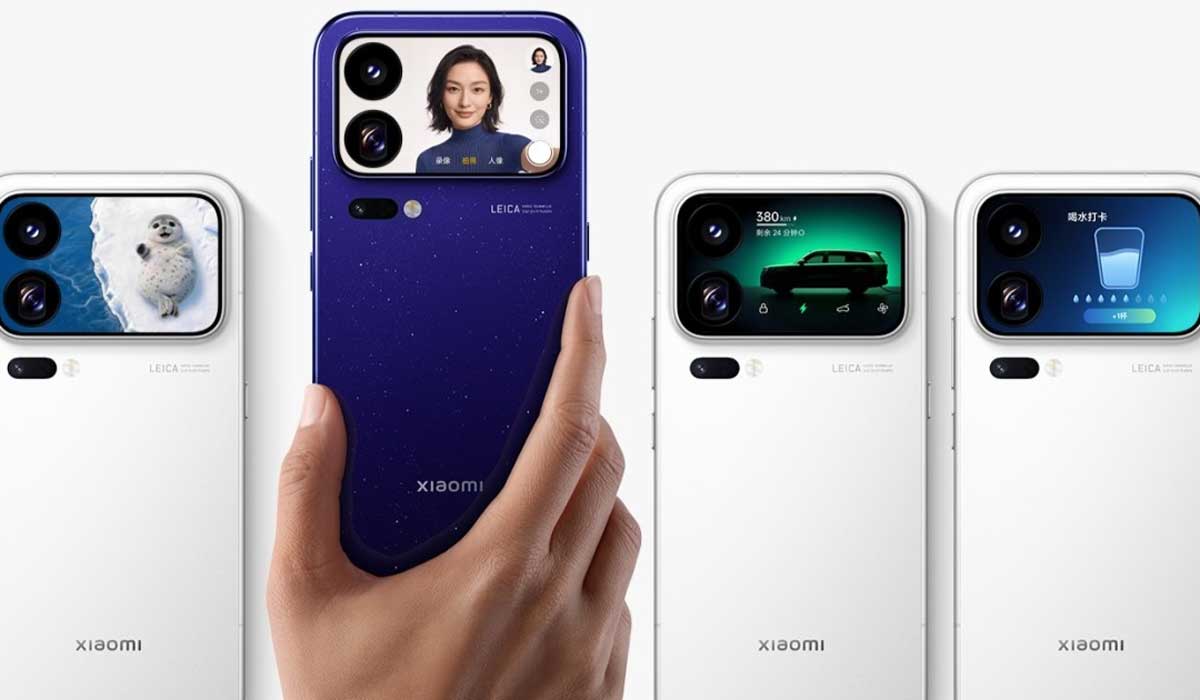
As I mentioned, the Xiaomi 18 Pro series is one of the first phones in Nepal, besides foldables, to feature a second, functional rear display. So it’ll be interesting to see how users actually take to it once the phones arrive in Nepal.
Talking about specs, the Xiaomi 18 Pro has a 2.7-inch rear display with a 596 x 912 resolution, while the Pro Max gets a slightly larger 2.9-inch panel with a 596 x 976 resolution.
And it’s not just a basic display placed there as an afterthought either; it’s a complete setup. LTPO AMOLED, 120Hz refresh rate, and it even supports Dolby Vision.
As for its functionality, it works much like the cover display on the Samsung Z Flip7, perfect for a quick glance at notifications without needing to fully unlock the phone.
Hopefully, Xiaomi doesn’t turn this into a full-blown usable display like the Z Flip8’s cover screen down the line. Personally, I prefer being able to check notifications without having to flip the phone around every time.
While this kind of rear display is new to the Nepali market, there’s nothing particularly new about it compared to its predecessor, except that it’s now a completely seamless experience. Unlike the Xiaomi 17, where the dual cameras popped out from the display, this time they sit flush, so you can actually use the display a lot more comfortably.
Okay, so the dual display setup is great, but what’s even better is that both phones now feature Xiaomi’s own take on Samsung’s privacy display. Xiaomi calls it Smart Privacy Screen, and it’s another feature I’m genuinely looking forward to. Hopefully it eventually trickles down to their budget lineup as well.
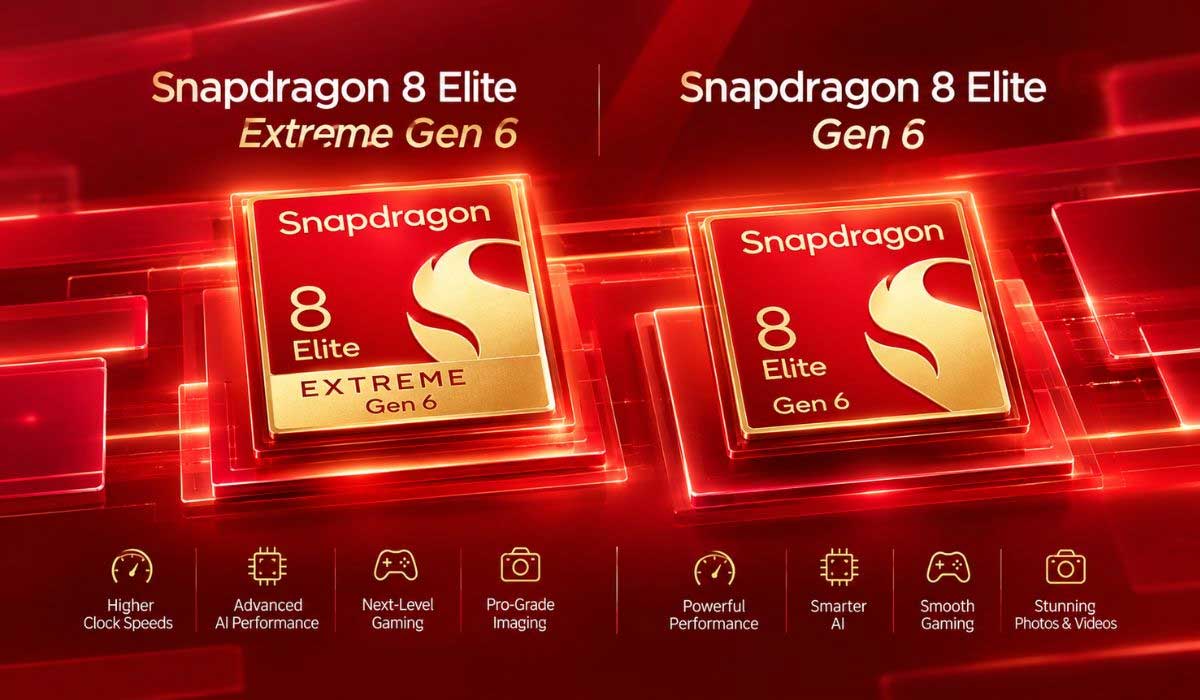
Moving to performance, both the Xiaomi 18 Pro and Pro Max are among the first phones to use Snapdragon’s first 2nm SoC.
The Xiaomi 18 Pro runs the Snapdragon 8 Elite Gen 6, while the 18 Pro Max features the Snapdragon 8 Elite Extreme Gen 6. As I mentioned, both are 2nm chips, and it looks like all the major SoC brands have finally made the jump to 2nm.
Samsung got there first with the Exynos 2600, Apple followed with the A20 Pro, and now Snapdragon joins in with the 8 Elite Gen 6 series. It’ll be interesting to see how much of a real-world performance jump comes from this shift away from 3nm. My money’s on Snapdragon.
As for memory, the Chinese variant ships with 12GB or 16GB RAM, and storage starts at 256GB and goes up to 1TB. But we’ll likely only see a 12/256GB variant for the Xiaomi 18 Pro and a 16/512GB variant for the Xiaomi 18 Pro Max in Nepal. That said, since even the global variant hasn’t fully rolled out yet, I could be very wrong with this hunch.
On to optics, both models get the same camera setup, a dual 200MP configuration, with a 200MP main camera and a 200MP periscope telephoto lens. It’s not just a huge upgrade over its predecessor’s dual 50MP setup; it also makes this one of those rare phones in Nepal to pack two full 200MP sensors.
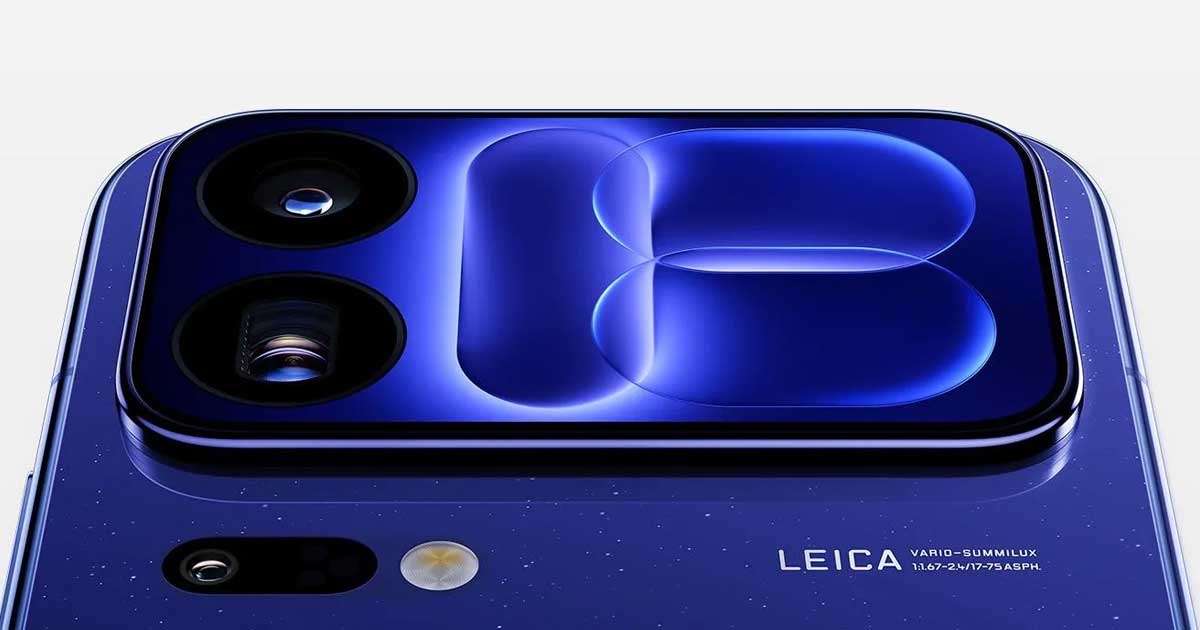
That said, for buyers who already own a Xiaomi 17 Pro or Pro Max looking to upgrade, they might find the telephoto’s 3.2x optical zoom a bit of a step down compared to the 17 Pro series’ 5x zoom. Though it’s worth noting that while the optical zoom range has dropped, the aperture on the Xiaomi 18 Pro has also improved to ƒ/2.4 from ƒ/3.0, which should mean noticeably better low-light shots in return.
The subtly hidden camera I mentioned earlier is a 50MP ultrawide shooter, the usual setup, and it’s carried over unchanged from the predecessor. The story is the same for the 50MP selfie shooter as well.
Battery is one area where smartphone brands are going all out lately, thanks to advancements in silicon-carbon tech that let them cram in a lot more capacity within the same compact space. That said, the Xiaomi 18 Pro has seen roughly an 11% jump, now sitting at 7,000mAh, while the Pro Max has seen about a 13% jump, now sitting at 8,500mAh.
Charging, however, remains at 100W wired with 50W wireless. I would have appreciated seeing 120W wired charging here, especially considering we already had 120W charging on the Redmi Note 14 Pro+ two years back.
But I guess that’s fine, because reverse wireless charging has also been bumped up from 22.5W to 27W.
ALSO READ: iPhone 18 Pro Series Price in Nepal (October 2026 Updated)
And on the more obvious side of things, the Xiaomi 18 Pro ships with the latest Android 17 layered under HyperOS 4, which looks oddly similar to iOS 27 on the iPhone 18 series. But seeing how closely Xiaomi has mirrored the iPhone in almost every other way, a similar-looking UI isn’t exactly surprising at this point.
It could be that Xiaomi is deliberately trying to sway iPhone buyers into switching over; with a similar-looking design and a similar UI, it’s even got that iconic liquid glass look; Xiaomi just calls it Soft Light Glass instead.
As for software support, since the phone hasn’t officially launched globally yet, we can expect numbers similar to the Xiaomi 17 Pro series: the usual 5 major OS upgrades and 6 years of security patches.
Xiaomi 18 Pro Series Specifications
- Body:
- Pro: 151.8 x 72 x 8.5 mm, 203 or 208 g
- Pro Max: 163.4 x 77.6 x 8.4 mm, 235 or 240 g
- Build: Aluminum frame, Glass/fiber-reinforced plastic back
- Protection: IP68, Dragon Crystal Glass 3 (front)
- SIM: Dual SIM (Nano-SIM, dual stand-by)
- Front Display:
- Pro: 6.4-inch LTPO AMOLED, 1.5K (1120 x 2436 pixels), 120Hz, 2160Hz PWM, Dolby Vision, HDR 10+, 419 PPI, 4,000nits (peak), BT.2020
- Pro Max: 6.9-inch LTPO AMOLED, 1.5K (1208 x 2624 pixels), 120Hz, 2160Hz PWM, Dolby Vision, HDR10+, 418 PPI, 4,000nits (peak), BT.2020
- Rear Display:
- Pro: 2.7-inch LTPO AMOLED, 596 x 912 pixels, 120Hz, Dolby Vision, HDR 10+, 4,000nits (peak), BT.2020
- Pro Max: 2.9-inch LTPO AMOLED, 596 x 976 pixels, 120Hz, Dolby Vision, HDR 10+, 4,000nits (peak), BT.2020
- Chipset:
- Pro: Qualcomm Snapdragon 8 Elite Gen 6 (2 nm)
- Pro Max: Qualcomm Snapdragon 8 Elite Extreme Gen 6 (2 nm)
- Memory:
- Pro: 12GB RAM, 256GB UFS 4.1 Storage
- Pro Max: 16GB RAM, 512GB UFS 4.1 Storage
- OS: Android 17, HyperOS 4
- Rear Camera: 200MP, ƒ/1.7, 23mm (wide), 1/1.28″, 0.61µm, dual pixel PDAF, OIS
- 200MP, ƒ/2.4, 75mm (periscope telephoto), 1/1.56″, PDAF (30cm – ∞), OIS, 3.2x optical zoom
- 50MP, ƒ/2.4, 17mm, 102˚ (ultrawide), 1/2.88″, 0.61µm, PDAF
- Front Camera: 50MP. ƒ/2.2, 21mm (wide), 1/2.88″, 0.61µm, PDAF
- Battery:
- Pro: Si/C 7,000mAh, 100W wired, PD3.0, QC3+, 50W wireless, 27W reverse wireless
- Pro Max: Si/C 8,500mAh, 100W wired, PD3.0, QC3+, 50W wireless, 27W reverse wireless
- Color: Black, White, Pink, Red, Blue
Xiaomi 18 Pro Series Price in Nepal: Rs. 2,04,999 (12/256GB) [Pro] | Rs. 2,59,999 (16/512GB) [Pro Max]
ALSO READ: Xiaomi Mobile Price in Nepal (October 2026 Updated)
The Xiaomi 18 Pro series genuinely feels like Xiaomi trying to out-Apple Apple, right down to the design language and the UI. But credit where it’s due, the dual rear display doesn’t feel like a gimmick like the ones we’ve seen on some phones with matrix displays, not naming names, it’s a legitimately clever addition that adds real function, not just flash.
Between the privacy display, the massive 200MP dual camera setup, and finally catching up with a proper 2nm chipset, this feels like Xiaomi’s most complete flagship attempt yet. And with Mi Nepal already teasing its arrival, it looks like we’ll actually get to see it for ourselves soon.
What are your thoughts on the Xiaomi 18 Pro Series? Let us know in the comments below!
-
Apple Mac mini M6 Launched in Nepal With 4x Faster AI PerformanceHIGHLIGHTS The Apple Mac mini M6 price in Nepal starts at Rs. 174,999 (16/256GB). The…

-
Apple Watch Ultra 4 Arrives in Nepal With Better Battery LifeHIGHLIGHTS The Apple Watch Ultra 4 price in Nepal is Rs. 1,78,500. It features the…
-
Tecno Pova 6 Now Costs More than Rs. 40,000 in NepalHIGHLIGHTS Tecno Pova 6 price in Nepal is Rs. 44,990. (12/256GB). A MediaTek Helio G99…