


This is a complete list of BYD cars price in Nepal for 2026. In this article, you will find a detailed overview of BYD electric cars in Nepal, covering their specs, features, pros and cons, and updated pricing.

BYD Cars in Nepal Price List
Here is a quick breakdown of BYD cars price in Nepal for August 2026.
| BYD Electric Cars | Price in Nepal |
|---|---|
| BYD Atto 1 | Rs. 2895000 (Dynamic) / Rs. 3299000 (Premium) |
| BYD Atto 2 | Rs. 4499000 |
| BYD Dolphin | Rs. 4115000 |
| BYD Atto 3 | Rs. 5690000 (Advanced) / Rs. 6780000 (Superior) |
| BYD Sealion 7 | Rs. 7799000 |
| BYD M6 | Rs. 5890000 |
| BYD Seal | Rs. 11000000 (Dynamic) / Rs. 14550000 (Premium) / Rs. 19500000 (Performance) |

BYD Cars in Nepal
Cimex Nepal Pvt. Ltd. is the authorized distributor of BYD EVs in Nepal. The company offers seven BYD electric cars in Nepal, spanning various price segments. The BYD car price in Nepal starts at Rs. 28.95 Lakhs for the BYD Atto 1 and goes up to Rs. 1.95 Crore for the flagship BYD Seal Performance.
BYD has maintained its market dominance in the Nepali market, particularly by offering industry-leading specs and features at an attractive price, all backed by strong brand trust and its global reputation. Depending on the respective segment, BYD Nepal offers premium electric cars at different price points, making it one of the, if not the popular EV brand in the Nepali market.
BYD Cars Price in Nepal 2026
BYD Atto 1
BYD Atto 1 Summary
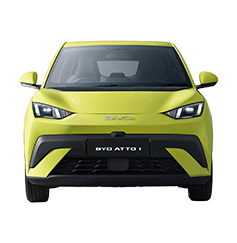
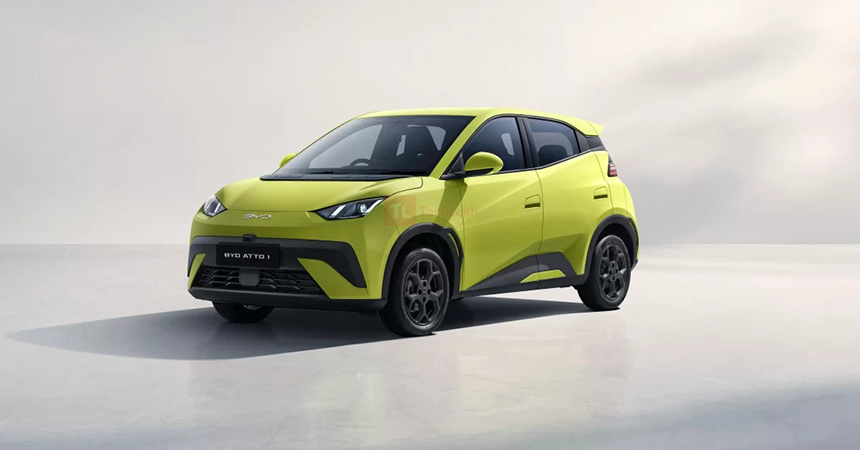
The BYD Atto 1 is a little pricey for a commuter car, and calling it a compact hatchback requires some caution given its size. Still, it brings a surprising amount of personality to the segment. Performance is good, the range is respectable, and the interior feels premium with quality materials and a good spread of features. Safety is well-covered too.
Rs. 28,95,000 (Dynamic)
Rs. 32,99,000 (Premium)
Pros
- Good driving range
- Premium interior for its class
- Extensive safety features
- Vehicle-to-Load capability
- Supports fast charging
Cons
- The top variant is expensive
- Firm ride quality
- Concerns about the raised ground clearance
Should You Buy It?
If you’re looking for a compact electric hatchback that zips through the city with ease, the BYD Atto 1 makes a pretty case. Prices start at Rs. 28.95 Lakhs for the Dynamic variant, stretching up to Rs. 33 Lakhs for the fully-loaded Premium. At first glance, the cheaper option looks tempting, but you do miss out on some essentials, such as extra airbags, a wireless charger, a power-adjustable driver’s seat, and most importantly, better range with faster DC charging.
That’s why the Premium feels like the “real” Atto 1. For about Rs. 4 Lakhs more, you get 6 airbags, a WLTP-certified 300 km range (vs. 230 km on the Dynamic), and faster 40 kW DC charging (vs. 30 kW DC Charging in the Premium). In a segment where safety, range, and charging speed matter, those upgrades easily justify the price difference.
Big picture? The Atto 1 is a capable EV, but it suffers from its compact size, quirky positioning, and slightly steep pricing. It makes sense as a reliable entry-level EV for small families or as a second car for daily runs. But stretch your budget a bit more, and the Dolphin or Atto 2 suddenly look more tempting, leaving the Atto 1 stuck as the middle child in BYD’s lineup.

Rivals
Let’s skip the warm-up and get straight to the real contenders. The Tata Tiago EV has been Tata’s best-selling electric hatch, while the Kaiyi e-Qute 04 has recently made waves in the same space.
Now, some might think the Tiago EV could spar with BYD’s Atto 1, but even its top-spec XZ+ Tech Luxury Long Range feels out of breath. At Rs. 30 Lakhs, it’s only Rs. 3 Lakhs cheaper than the Atto 1, and for that extra bit, you get far more car in the Atto 1. In fact, the Atto 1’s base Dynamic variant costs Rs. 28.95 Lakhs and still outclasses the Tiago.
So, the real face-off is between the e-Qute 04 and the Atto 1. On paper, the Atto 1 looks like the bigger, bolder package. It has a stronger motor (45 kW vs 40 kW), a larger battery, and more reliable range claims, i.e., 300 km under WLTP compared to the e-Qute 04’s 301 km under the overly optimistic CLTC cycle. Inside, Atto 1 keeps piling on the wins with a 10.1-inch screen, power-adjustable driver’s seat, V2L capability, six airbags, and BYD’s proven e-Platform 3.0.
The e-Qute 04’s only real trump card is price. At Rs. 25.96 Lakhs, it’s about Rs. 3 Lakhs cheaper, and for budget-focused buyers, that matters. It offers a decent range and features for the money. But when you weigh it up, the Atto 1 feels like the better long-term choice; more refined, safer, and globally recognized as the World’s No. 1 Urban Car. So yes, the e-Qute 04 plays the value card well. But if you want the complete package, the Atto 1 is the one to beat.
BYD Atto 1 Specifications
- Dimension & Wheelbase: 3925 x 1720 x 1590 mm & 2500 mm
- Motor: 45 kW PMS Motor
- Performance: 61 PS (Max Power) / 135 Nm (Max Torque)
- Drive Type & Transmission: FWD & Automatic
- Battery Type: LFP Blade Battery
- Battery Capacity:
- 30.08 kWh LFP Blade Battery – Dynamic
- 38.88 kWh LFP Blade Battery – Premium
- Range:
- 230 km WLTP – Dynamic
- 300 km WLTP – Premium
- Charging Time: with a 6.6 kW Charger
- 0 to 100% in around 5 hours – Dynamic
- 0 to 100% in around 6 hours and 30 minutes – Premium
- Tyre:185/55 R16
- Tubeless Tyres: Yes
- Safety System: Multiple Airbags, Autohold + EPB, TPMS, Rear Camera
- Suspension Setup: McPherson Strut and Torsion Beam
- Ground Clearance: 175 mm
- Kerb Weight:
- 1225 kg – Dynamic
- 1280 kg – Premium
- Colors: White, Black, Grey
BYD Atto 1 Price in Nepal: Rs. 28,95,000 (Dynamic) / Rs. 32,99,000 (Premium)
BYD Dolphin
BYD Dolphin Summary
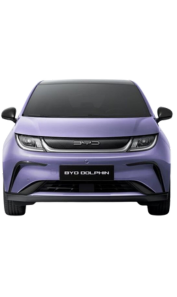
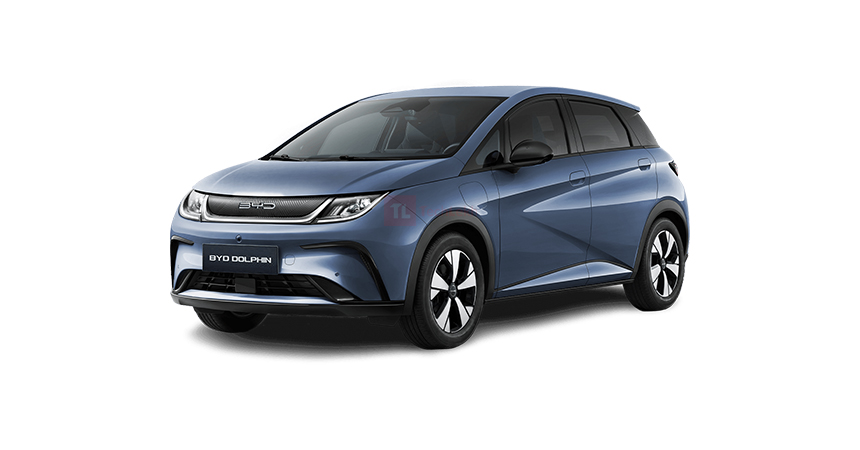
The BYD Dolphin brings in signature tech like the e-Platform 3.0 and Blade Battery, wrapped in a relaxed, family-friendly package. It checks almost every box, ranging from performance, range, design, comfort, and features. The only gripe is ground clearance: 175 mm sounds fine, but once loaded, it struggles with tall speed bumps despite BYD’s recent 2025 tweaks.
Rs. 41,15,000
Pros
- Easy to drive and handle
- Spacious and comfortable interior
- Blade battery technology
Cons
- Ground clearance can be an issue
- Does not include a spare wheel
- Rear passengers miss out on rear AC vents
Should You Buy It?
If you were shopping for a family-friendly EV not long ago, the BYD Dolphin would’ve been an easy pick. But with the Atto 2 arriving as a more loaded SUV for just Rs. 3 Lakhs more, opinions are bound to be split. Still, it is pretty easy to make a case for the Dolphin. It ticks almost every box: safe, zippy for city runs, and spacious for the fam. Plus, BYD’s 2025 update kept the price steady at Rs. 41.15 Lakhs while adding brighter LED headlights, sportier suspension tuning, and handy extras like Phone NFC, a Bluetooth key, and a passenger-side door switch. A new Atlantis Grey color rounds things out, making the update a genuine win.
On the road, the Dolphin feels effortless. Its 70 kW motor and front-wheel drive give it just the right pep, while handling stays tidy for a family hatchback. Inside, it’s roomy and comfortable, with seats that hold up well on longer rides. The 44.9 kWh Blade battery, backed by BYD’s e-Platform 3.0 and battery management system, offers a WLTP-rated 340 km range that holds up well in real use. That reliability has helped the Dolphin find over 2500+ homes in Nepal, and that says something.
The one sticking point remains ground clearance. While 175 mm sounds fine on paper, the softer suspension makes the car sink lower when loaded. The 2025 update did bring a stiffer setup, but this gripe won’t disappear completely. That said, unless you’re tackling rough off-road stretches often, it’s more annoyance than dealbreaker. All things considered, the Dolphin still stands as one of the most chilled-out, family-friendly EVs you can buy, and yes, it’s easy to recommend.
Rivals
When we talk about rivals for the BYD Dolphin, the first name that pops up is the MG4. Then there’s the fresh face, the Dongfeng Nammi Vigo, and interestingly enough, even BYD’s very own Atto 2.
The MG4, in particular, feels like the troublemaker in the group. With its 99 kW motor, rear-wheel drive, and lighter build, it’s noticeably more spirited than the Dolphin. On paper, it even carries a bigger battery at 51 kWh compared to the Dolphin’s 44.9 kWh, while also weighing less. Yet, both EVs manage a similar WLTP range. That tells us Dolphin’s e-Platform 3.0 is really pulling its weight, especially when you remember the Dolphin isn’t as aerodynamic as the MG4 (0.29 Cd of Dolphin vs. 0.279 Cd of MG4). Price-wise, the Dolphin undercuts the MG4 by about Rs. 30,000, so unless you crave the MG4’s more dynamic character, the Dolphin makes an easy case for itself, especially with its 5-star Euro NCAP score and BYD Nepal’s class-leading warranty.
Now, let’s bring the Nammi Vigo into the mix. Dongfeng Nepal is making plenty of noise with this one, starting at Rs. 39 Lakhs for the base and Rs. 42 Lakhs for the top-spec. It’s bigger than the Dolphin, packs a 99 kW motor, and offers a range similar to the MG4 with its ~52 kWh LFP battery. What really sets it apart, though, is its rapid 167 kW DC fast charging capability, courtesy of the Quantum 3.0 platform. That’s something neither the Dolphin nor the MG4 can touch. On features and performance, the Vigo punches hard, but the lack of Euro NCAP testing and the absence of a proven, long-standing warranty like BYD’s do raise eyebrows. In a country where after-sales support matters as much as the product itself, this can be the deciding factor.
Finally, there’s the Atto 2, which makes things tricky. It’s practically the Dolphin’s sibling, sharing the same platform, battery chemistry, range, and warranty. But here’s the twist: for just Rs. 3 Lakhs more, the Atto 2 gives you an SUV body, bigger motor, higher ground clearance (a sore point for Dolphin), larger wheels, and quicker charging. Plus, the feature list is more generous. The only real distinction is that one is a hatchback and the other an SUV. Unless you’re firmly in the “I want a hatchback” camp, the Atto 2 simply makes more sense. It feels like BYD built the Dolphin for those who love the hatch form, but in a practical showdown, the Atto 2 walks away with the win.
BYD Dolphin Specifications
- Dimension & Wheelbase: 4290 x 1770 x 1570 mm & 2700 mm
- Motor: 70 kW PMSM
- Performance: 95 PS (Power) /180 Nm (Torque)
- Drive Type & Transmission: FWD & Automatic
- Battery Type: Blade Battery
- Battery Capacity: 44.9 kWh
- Range: 340 Km WLTP
- Charging Time: 7.15 hours with a 7 kW Charger
- Tyre: 195/60 R16 (All Disc)
- Safety System: 6 Airbags, 5-Star Euro NCAP Rated, ADAS, 360 Cam, HAC
- Suspension Setup: McPherson Strut and Torsion Beam
- Storage Capacity: 345 liters (extendable up to 1310 liters)
- Ground Clearance: 175 mm
- Kerb Weight: 1658 kg
- Colors: Ski White, Urban Grey, and Atlantis Grey
BYD Dolphin Price in Nepal: Rs. 41,15,000
BYD Atto 2
BYD Atto 2 Summary
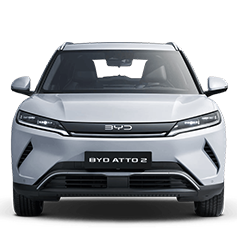
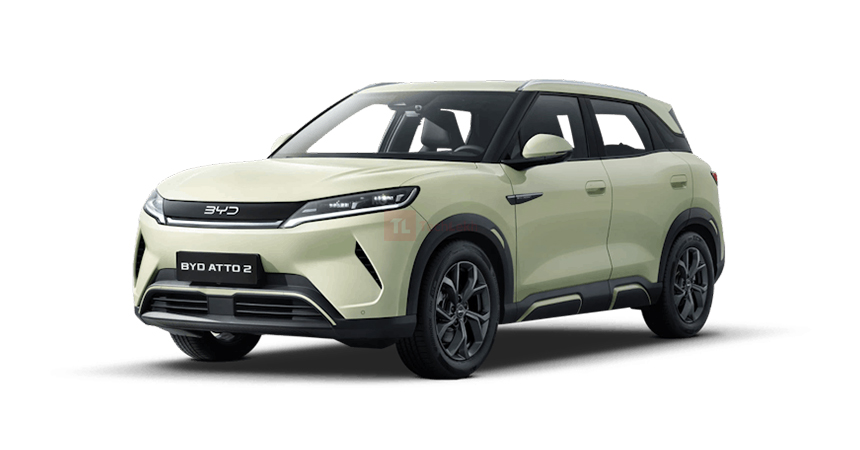
The BYD Atto 2 is BYD Nepal’s latest launch, and while it’s an exciting addition, it does leave the middle-order a bit muddled. Pricing is fair, and it carries all the right elements from BYD’s proven formula. What it lacks, however, is a bit of soul. Don’t get me wrong, it’s a pretty brilliant package in every respect and absolutely worth considering. But when you line it up against the competition, it feels more like a well-engineered machine pushing forward rather than a car that truly stirs excitement.
Rs. 44,99,000
Pros
- Compact and competitive e-SUV
- Engaging and fun to drive
- Feature-packed cabin
- Confident ground clearance
Cons
- Monotonous exterior design
- Overly engineered feel
- Overlaps with BYD Dolphin
Should You Buy It?
If you’ve been eyeing the BYD Atto 3 but found its price tag a bit too ambitious, the Atto 2 is basically BYD handing you a sweet alternative. At Rs. 45 Lakhs, you’re still getting the same 100 kW motor and a WLTP-certified 345 km range as the Atto 3’s base “Advanced” variant, which costs Rs. 56.90 Lakhs. That’s a significant saving without cutting into the essentials. Plus, it borrows the same design DNA as the Atto 3, just in a leaner and slightly less dramatic form. Add in BYD’s proven track record in engineering, and the sheer amount of tech and features crammed into this compact SUV, and the Atto 2 starts looking like a very strong contender for anyone shopping in this segment.
Of course, it isn’t flawless. Let’s be honest, the Atto 2’s design is safe to the point of being forgettable. BYD seems aware of this, sprinkling in chrome accents here and there in an attempt to spice things up, but the result doesn’t quite give it character. The car also carries a clinical vibe in a sense like it’s been engineered to perfection but left without much soul. That won’t bother everyone, but for buyers who want something with a bit more emotional pull, rivals might hold stronger appeal.
Timing is another tricky bit. The Atto 2 feels like it’s arriving a little late to the Nepali EV scene, which is now crowded with fresh and competitive options. In a way, it doesn’t introduce anything groundbreaking; it mostly reinforces BYD’s lineup and gives buyers a more budget-friendly stepping stone below the Atto 3. Still, given the BYD badge, the highly capable powertrain, the comprehensive feature list, and the pricing advantage, the Atto 2 is positioned to do well. It won’t win awards for being bold, but it’s practical, value-packed, and for most people, that’s exactly what matters.
Rivals
When we talk about the rivals of the BYD Atto 2, two names immediately pop up: Dongfeng Nammi Vigo and MG S5 EV Comfort. Now, the S5 Comfort may enter the conversation on paper with a similar motor and battery size, but it falls short where it matters most, i.e., features and finesse. To really make a case for it, you’d have to climb up the variant ladder, and that bumps the price so high it stops being a fair fight. So, the real clash here boils down to Atto 2 versus Nammi Vigo.
On the surface, these two look almost neck and neck. Both pack nearly identical motors (100 kW for the Atto 2 and 99 kW for the Vigo) and similar-sized batteries, which explains why their WLTP ranges sit so close (345 km Atto 2 versus 350 km Nammi Vigo). But the real difference lies beneath the skin. The Atto 2 rides on BYD’s advanced e-Platform 3.0, which brings modern engineering tricks like Cell-to-Body integration, an 8-in-1 drive system, and clever space optimization. The Vigo, meanwhile, uses a more rugged Quantum 3.0 platform, which feels practical but a little old-school. However, this same platform choice allows up to 167 kW DC fast charging on the top E2+ variant of the Vigo, compared to the Atto 2’s more modest 82 kW. While this difference reduces only a few minutes of charging time for Vigo as compared to Atto 2, it is still something.
Where the Vigo really pushes its case is affordability. It undercuts the Atto 2 by around Rs. 3 lakhs, and for many buyers, that’s hard to ignore. It also inherits the crowd-pleasing formula of the older Nammi 01, making it an easy pick for those who want value and practicality. But here’s the bottom line: while the Vigo is good, the Atto 2 just feels sharper, safer, and more polished. Its chassis rigidity gives it the edge in safety, which is an important factor in family-focused EVs. At the end of the day, the Vigo will likely win hearts with its price tag and practicality, but for buyers who know their EVs and want something genuinely well-engineered, the Atto 2 is simply in a different league.
BYD Atto 2 Specifications
- Dimensions & Wheelbase: 4310 x 1830 x 1675 mm & 2620 mm
- Motor: 100 kW PMS Motor
- Performance: 136 PS (Max Power) / 290 Nm (Max Torque)
- Drive Type & Transmission: FWD & Automatic
- Battery Type: Blade Battery
- Battery Capacity: 51.13 kWh
- Range: 345 km WLTP Certified
- Charging Time:
- 0 to 100% in 8 hours with a 7kW Charger
- 20 to 80% in 25 mins with 82 kW DC Fast Charging
- Tyre: 215/60 R17
- Safety System: Airbags, ADAS, Hill Assist, TCS, TPMS, 360 Degree Cam
- Suspension Setup: McPherson Strut and Torsion Beam
- Storage Capacity: 380 liters / 1320 liters (extended)
- Ground Clearance: 200 mm
- Kerb Weight: N/A
- Colors: Grey, Green, White, Black
BYD Atto 2 Price in Nepal: Rs. 44,99,000
BYD Atto 3
BYD Atto 3 Summary
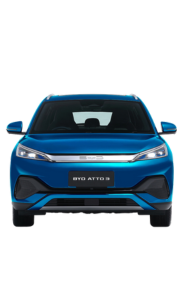
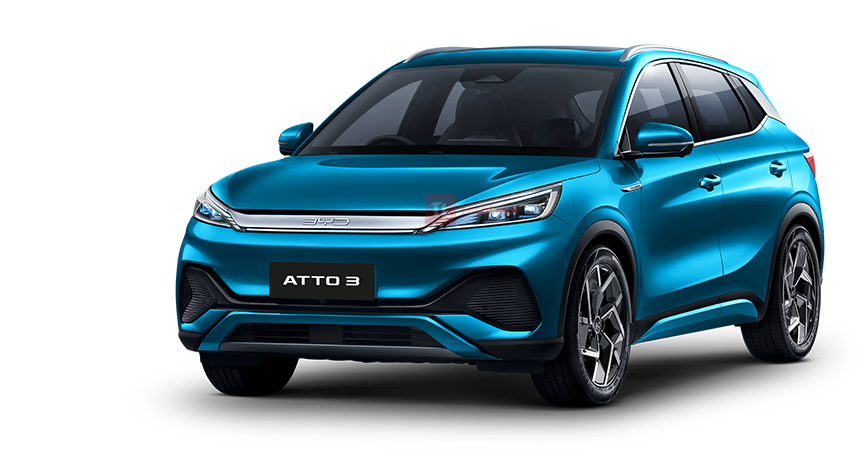
The BYD Atto 3 is one of Nepal’s most popular electric cars, even holding the title of the country’s best-selling SUV at one point. It comes in two variants, Advanced and Superior, with the key difference being the larger battery pack in the Superior for extended range. In many ways, the Atto 3 can be credited with sparking Nepal’s obsession with e-SUVs.
Rs. 56,90,000 (Advanced)
Rs. 67,80,000 (Superior)
Pros
- One of the pioneers of e-SUV in Nepal
- Comfortable ride and calibrated steering
- Loaded with features
- 5-Star NCAP Safety Rating
Cons
- Polarizing interior styling
- Misses out on the fog Lamp
- Misses out on a spare wheel
Should You Buy It?
So, should you buy the Atto 3? Well, the sheer number of them on Nepali roads already answers that question. This SUV completely reshaped what Nepalis thought an electric SUV could be. With its design language, a powertrain that delivers real confidence, and BYD’s e-Platform 3.0 underneath, the Atto 3 felt like a product that Nepal’s automotive landscape needed. Combined with its playful and premium cabin, stuffed with features that made early adopters feel like they were driving something truly ahead of its time. Plus, despite early concerns about the safety of electric cars, the Atto 3 flaunted its highly capable Blade Battery along with a 5-star rating on the NCAP Crash test. No wonder it ruled the roads for a while.
But times change, and the EV scene is no longer the one-sided show it used to be. At a starting price of Rs. 56.90 Lakhs, climbing up to Rs. 67.80 Lakhs for the top-spec Superior, the Atto 3 feels pricier than it once did, especially with new rivals pushing aggressive deals. Both variants carry the same 100 kW motor, but the Advanced gets a ~50 kWh Blade battery with 345 km WLTP range, while the Superior stretches that to 60.48 kWh and 420 km WLTP. Add to that a strong list of features across the lineup, and you’re definitely getting quality. The problem is, in today’s value-for-money battle, quality alone doesn’t always win.
That said, the Atto 3 still has plenty of cards up its sleeve. It remains a thoroughly capable SUV, and BYD Nepal’s strong presence in the market only adds to its appeal. Plus, the brand’s 10-year (or 200,000 km) warranty on both the motor and battery is something rivals struggle to match. So while other EVs might tempt buyers with flashier price tags, the Atto 3 continues to make a strong case as a safe, reliable, and future-ready choice. It may no longer be the undisputed king, but it’s still very much royalty.
Rivals
BYD Atto 3 sits in a crowded ring these days, and its most serious challengers are the MG S5 EV, Proton e.Mas 7 and Deepal S05. The Atto 3 changed how people perceive electric cars, and it still enjoys strong popularity in the e-SUV class. However, its early formula has now been replicated, refined, and in some cases even improved by these new contenders.
Among them, the S5 EV feels like the most direct threat. It brings a fresh design that instantly clicks with buyers, and it undercuts both Atto 3 variants by a wide margin. The S5 EV starts at forty-four lakhs and tops out at fifty-five lakhs while offering nearly everything the Atto 3 does and sometimes more. The top S5 variant uses a 99 kW motor and a 62.2 kWh battery with a claimed range of 430 km and fast charging support up to 150 kW. In comparison, the Atto 3 delivers a 100 kW motor, a 62.4 kWh battery, a 420 km range, and tops out at 88 kW for DC charging. The contrast here shows where MG pushes ahead and where the Atto 3 starts to feel a little dated.
The eMas 7 and S05 take a different approach by attacking the Atto 3’s battery advantage. Proton developed the eMas 7 with Geely’s input and opted for the compact Short Blade Battery, which improves fast charging performance and frees up interior space. It launched in nearly the same price bracket and clearly targeted the Atto 3 from day one. The S05, on the other hand, is a quiet but impressive disruptor. It arrives with Golden Shield battery technology that supports over 150 kW fast charging and claims a long cycle life of about 5000 cycles. The fully loaded S05 sits at Rs. 57lakhs, which is only the entry point for the Atto 3. All three rivals strike from different angles, and together they challenge the Atto 3’s premium pricing, especially when each delivers competitive or even superior value without falling behind in features or performance.
BYD Atto 3 Specifications
- Dimensions & Wheelbase: 4455 x 1875 x 1615 mm & 2720 mm
- Motor: 100 kW PMS Motor
- Performance: 136 PS / 310 Nm
- Drive Type & Transmission: FWD & Automatic
- Battery Type: Blade Battery
- Battery Capacity:
- 49.92 kWh – Advanced
- 60.48 kWh – Superior
- Range:
- 345 Km – Advanced
- 420 Km – Superior
- Charging Time:
- 0 to 100% in 7.5 hours with a 7kW Charger – Advanced
- 0 to 100% in 9.1 hours with a 7kW Charger – Superior
- 0 to 80% in 50 mins with 88 kW DC Fast Charging
- Tyre: 215/60 R17 (Advanced) / 215/55 R18 (Superior)
- Safety System: 5-Star NCAP Crash Test, Airbags, ADAS, 360 Degree Cam
- Suspension Setup: McPherson Strut and Multi-link
- Storage Capacity: 440 liters / 1340 liters (extended)
- Ground Clearance: 175 mm
- Kerb Weight: 1680 – 1750 kg
- Colors: Grey, Red, White, Blue
BYD Atto 3 Price in Nepal: Rs. 56,90,000 / Rs. 67,80,000
BYD M6
BYD M6 Summary
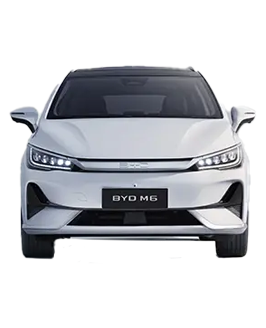
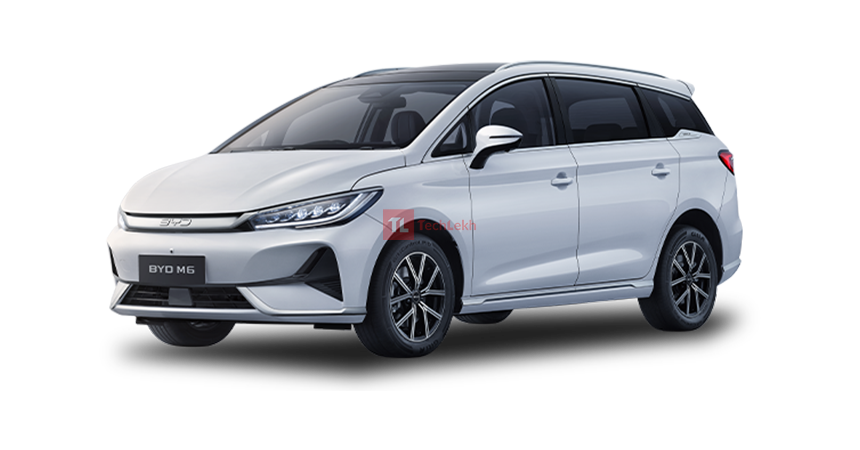
The BYD M6 takes over from the E6 with a bolder, more aerodynamic design, showcasing the brand’s signature Dragon Face 3.0 styling. As a 7-seater Multi-Purpose Vehicle (MPV), it blends practicality with modern aesthetics while packing in a generous list of features. Sure, it has a few misses here and there, but for the niche audience it targets, the M6 stands out as a versatile and even a lucrative option.
Rs. 58,90,000
Pros
- Competitive pricing
- 440 Km WLTP claimed range
- Comes with ADAS
- Caters to a niche market
Cons
- No spare tire
- Semi-analog instrument cluster
- No proximity locking or unlocking
Should You Buy It?
If you are hunting for a family EV that ticks four very specific boxes: 7 seats, affordable pricing, modern features, and an electric heart, then the BYD M6 is pretty much calling your name. This MPV is powered by a 100 kW motor, which isn’t sports-car quick but gets the job done. The slight lag in initial acceleration is mostly thanks to its hefty kerb weight, but that weight comes from the real star of the show: a ~72 kWh Blade Battery. From this, a very usable 440 km WLTP range comes into play. Add to that a spacious cabin, comfortable ride, and controlled body roll, and you can tell this isn’t just a slapped-together EV van. Features like the 12.8-inch rotating infotainment screen, ventilated seats, panoramic glass roof, V2L capability, and ADAS safety suite round out the package nicely. At Rs. 58.90 Lakhs, the price feels surprisingly fair for what’s essentially a tech-loaded electric MPV.
Of course, no car is perfect, and the M6 has its quirks. For starters, BYD still insists on giving it a semi-digital instrument cluster, which feels like a relic in a cabin that otherwise screams modern. Charging also tests your patience. The large battery means an 11-hour wait on the 7.2 kW AC charger, and even the claimed 115 kW DC fast-charging isn’t lightning quick (10% to 80%), still takes 40 minutes. In Nepal, where most chargers max out at 60 kW in the present, you’ll need to plan your coffee breaks wisely. And don’t go looking for a spare tire because you won’t find one. A small thing, but for a family hauler, it stings a little.
Still, when you zoom out, the M6 has its heart in the right place. It’s practical, genuinely spacious, safe, and loaded with the kind of modern conveniences that make day-to-day drives easy. The range is good, the comfort level is family-approved, and the price feels well-calibrated against what it offers. If you’re after a no-nonsense 7-seater EV that balances practicality with just enough flair, the M6 is a strong contender worth shortlisting.
Rivals
The rivals for the BYD M6 are a bit of a puzzle. The MPV segment in Nepal has always been niche, and truth be told, it has never really clicked with the average buyer. Unlike countries such as Indonesia, China, or Japan, where MPVs are a household favorite, here they’re not the go-to choice. From a utility standpoint, most families prefer SUVs, and when you factor in the higher price tags of MPVs, the appeal shrinks even further. In fact, you’ll mostly spot them in tourism-heavy areas like hotels, resorts, or maybe office fleets, rather than parked outside someone’s home.
Now, if we talk options, there are some interesting names floating around. The Maxus MIFA 7 looks sharp and futuristic, the Xpeng X9 is a proper tech-loaded spaceship on wheels, and the Hyundai Palisade or Tata Safari can flex their muscles as full-size family haulers. But none of these come anywhere near the BYD M6 in terms of affordability. They either sit in the premium bracket or simply overshoot the budget of most buyers. So yes, the alternatives exist, but only on paper for the majority of Nepali consumers.
That’s exactly where the BYD M6 shines. It doesn’t try to outclass the heavyweights with flashy gimmicks or luxury bragging rights. Instead, it plays the smart card with an affordable, practical, and decently equipped MPV persona that feels accessible to real people. For anyone who genuinely needs a 7-seater without burning a hole in their wallet, the M6 practically stands alone in the segment.
BYD M6 Specifications
- Dimension & Wheelbase: 4710 x 1810 x 1690 mm & 2800 mm
- Motor: 100 kW Permanent Magnet Synchronous Motor
- Performance: 136 PS (Max Power) / 250 Nm (Max Torque)
- Drive Type & Transmission: FWD & Automatic
- Battery Type: Blade Battery
- Battery Capacity: 71.8 kWh
- Range: 440 Km (WLTP)
- Charging Time:
- 0 to 100% in around 11 Hours with 7.2 kW Charging
- 10% to 80% in 40 minutes with 115 kW DC Fast Charging
- Tyre: 225/55 R17 (Tubeless)
- Safety System: Airbags, ADAS, TPMS, 360 Degree Cam, Hill Assist with AutoHold
- Suspension Setup: McPherson Strut and Multi-link
- Storage Capacity: 180 liters / 580 liters (extended)
- Ground Clearance: 140 mm (Minimum) / 170 mm (Maximum)
- Kerb Weight: Around 1800 Kg
- Available Colors: Crystal White, Quartz Blue, Cosmos Black, Harbor Grey
BYD M6 Price in Nepal: Rs. 58,90,000
BYD Sealion 7
BYD Sealion 7 Summary
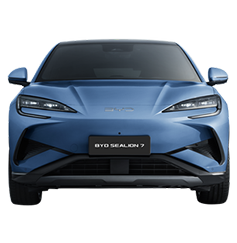
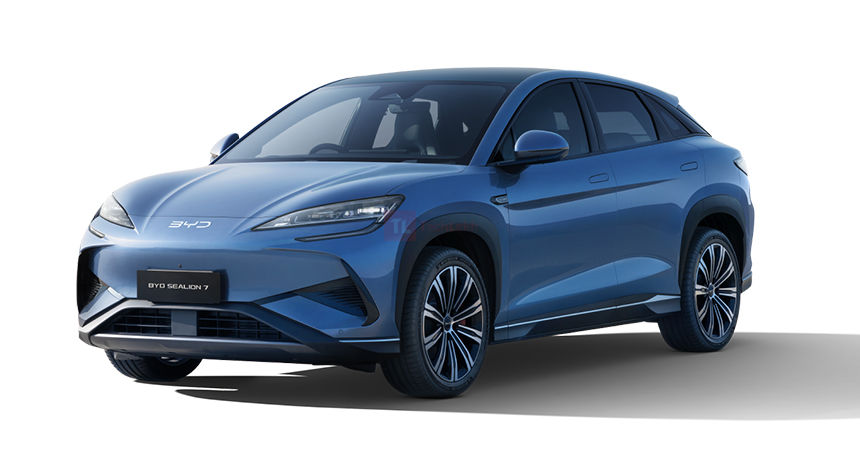
The Sealion 7 is basically the Atto 3’s bigger, classier sibling. While Nepal gets a toned-down version with less motor and battery muscle, the SUV still carries itself like a true flagship. Its design has presence, and the feature list is stacked enough to make you forget the power cutbacks.
Rs. 77,99,000
Pros
- Bold and striking design
- Rear-wheel drive dynamics
- Spacious and feature-rich cabin
Cons
- Shared motor and battery from M6
- Rear visibility is minimal
- No AWD top variant for Nepal
Should You Buy It?
If you’re in the market for a mid-size electric SUV, the BYD Sealion 7 might catch your eye at first glance. It looks bold, stretches close to 5 meters, and carries that coupe-like silhouette with a fastback twist that gives it a sporty edge. Plus, with a sleek drag coefficient of 0.219 Cd, the design isn’t just about looks; it’s genuinely aerodynamic. Thankfully, BYD Nepal kept the rear-wheel-drive setup intact, which means the Sealion 7 still delivers a touch of performance and driving thrill. Without that, it would have been just another pretty face.
Inside, the things feel properly premium, as you’d expect from a car that costs around 75 lakhs. The cabin is spacious and airy, with plush leather-wrapped seats that come with ventilation, memory function, and lumbar support. A huge 15.6-inch infotainment screen dominates the dash, backed by Apple CarPlay, Android Auto, and a 12-speaker audio system. Add in the 10.25-inch digital cluster, a heads-up display, a heated steering wheel, and a solid spread of safety tech like 7 airbags, ADAS, 360-degree cameras, and hill assist, and you’ve got a feature list that ticks nearly every box. But these aren’t really standout anymore. At this price, most rivals already offer similar bells and whistles, so it feels more expected than extraordinary.
And here’s where the real letdown begins. The international Sealion 7 packs a punch with a 230 kW motor, an 82.56 kWh battery, WLTP range of 482 km, and even a 5-star NCAP safety rating. Nepal’s version? It’s been watered down to share the same motor and battery combo as the M6. That’s not innovation; that’s recycling. BYD Nepal had a golden chance to bring something truly exciting to the table, but instead, it feels like they played it safe, in fact, too safe. Add to that the fact that the AWD version isn’t even coming here, and the Sealion 7 ends up looking like a missed opportunity rather than a roaring success.
Rivals
When you stack up rivals for the BYD Sealion 7, a few names immediately pop up: Hyundai Ioniq 5, Zeekr X, and IM6. But if we zoom in on the price tag, the real head-to-head battle is between the Sealion 7 and the IM6. Sealion 7 is slightly more expensive than the IM6 but that’s what makes this more interesting.
Here’s the kicker: the IM6 edges ahead in most of the specs that matter. It packs a slightly stronger motor (109 kW vs 100 kW), carries a bigger battery (75 kWh vs 71.8 kWh), and claims a bit more WLTP range (450 km vs 440 km). Charging is also quicker with the IM6, thanks to its 153 kW DC fast charging compared to the Sealion 7’s 110 kW cap. Add in the fact that it rolls on larger 20-inch wheels, offers more cargo room (665 liters vs 500 liters), and throws in a massive 26.3-inch infotainment screen next to BYD’s 15.6-inch setup, and the Sealion 7 starts to feel a little shortchanged. Even the clever four-wheel steering on the IM6 feels like a neat party trick for a car that stretches close to 5 meters.
So, where does that leave the Sealion 7? Honestly, its biggest ace isn’t under the hood, it’s in the badge. BYD is already a household name in Nepal, with proven reliability and strong after-sales support. IM, on the other hand, is still the new kid on the block, trying to build trust under MG Nepal’s wing. If IM gets its service and support game right, the Sealion 7 could find itself in serious trouble, because spec-for-spec, the IM6 is simply the more tempting choice.
BYD Sealion 7 Specifications
- Dimension: 4830 x 1925 x 1620 mm & 2930 mm
- Motor: 100 kW Permanent Magnet Synchronous Motor (PMSM)
- Performance: 135 PS (Max Power) / 380 Nm (Max Torque)
- Drive Type & Transmission: FWD & Automatic
- Battery Type: Blade Battery
- Battery Capacity: 71.8 kWh Blade Battery (LFP)
- Range: 440 Km WLTP
- Charging Time:
- 0 to 100% in around 7 hours with a 7 kW AC Charger
- 30% to 80% in around 20 minutes with a 110 kW DC Fast Charger
- Tyre: 235/50 R19 (Front) / 255/45 R19 (Rear)
- Safety System: Airbags, ADAS, HAC, TPMS, TCS, 360 Degree Camera
- Suspension Setup: Double Wishbone and Multi-link
- Storage Capacity: 58-liter Frunk / 500-liter Boot (Expandable up to 1789-liter)
- Ground Clearance: 175 mm
- Kerb Weight: 2160 kg
- Colors: Shark Grey, Aurora White, Atlantis Grey, and Cosmos Black
BYD Sealion 7 Price in Nepal: Rs. 77,99,000
BYD Seal
BYD Seal Summary
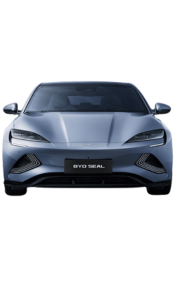
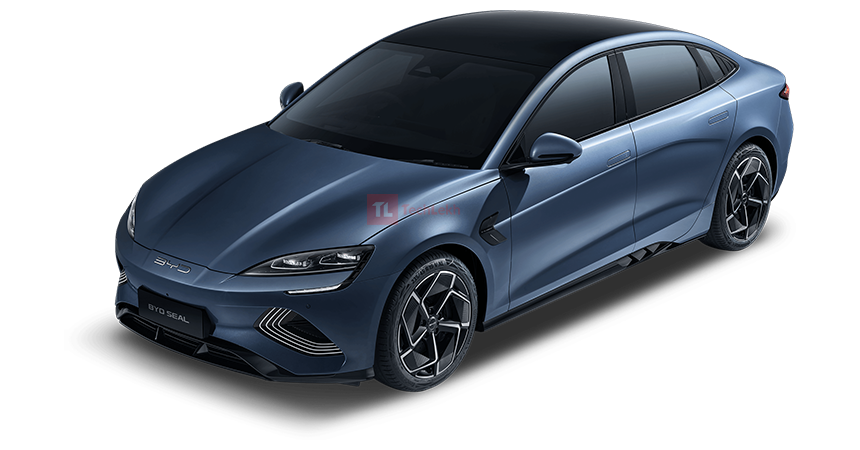
The BYD Seal is BYD’s flagship in Nepal, offered in three variants and dressed in a sleek sedan body. Even the base model packs serious performance, while the cabin delivers on comfort, features, and safety. It’s a premium all-rounder, though you’ll definitely pay a premium price to get it.
Rs. 1,10,00,000 (Dynamic)
Rs. 1,45,50,000 (Performance)
Rs. 1,95,00,000 (Premium)
Pros
- Overall luxury aesthetics
- Premium features and advanced safety
- Sturdy build with punchy performance
Cons
- Most expensive BYD offering
- Low ground clearance
- Less spacious cabin
Should You Buy It?
Should you actually buy the BYD Seal? Well, before you jump in, let’s ask a few real questions. First, where are you going to unleash all that performance? The Dynamic variant already comes with a respectable 150 kW motor, which makes sense for most drivers and is honestly more than enough for Nepal’s roads. But then you look at the Premium with its 230 kW motor or the full-blown Performance trim packing a 390 kW punch, and suddenly you’re staring at supercar-level numbers. That’s the kind of power that feels slightly out of place in Nepal, where traffic jams, winding roads, and endless potholes don’t exactly scream Autobahn. Unless you’ve got a private racetrack hidden somewhere, you’ll probably never truly stretch its legs.
Then comes the question of where you’ll actually drive it. On paper, the range is fantastic. Even the base Dynamic boasts 460 km on WLTP, with higher variants pushing even further. Impressive, right? But ground clearance is only 150 mm. That’s sports-sedan territory, which is fine for urban cruising but not exactly ideal if you’re thinking of mapping Nepal’s East-West Highway or tackling rural stretches. It’s best suited for city life, where smooth roads let the Seal glide effortlessly. Still, that practicality question lingers. A beautiful machine like this doesn’t deserve to scrape its underbelly on a speed bump. And of course, there’s the question of what matters most to you. If you’re someone who values interior space above everything, the Seal may leave you slightly underwhelmed. The tech package is stacked, no doubt, but the cabin feels a bit too snug for its price tag. Speaking of price, that’s another hard pill to swallow. At Rs. 1.10 Crores for the base variant and up to Rs. 1.95 Crores for the Performance, this isn’t a casual buy.
But if you still find yourself drawn to it even after asking all these questions, maybe it’s the car for you. Because the Seal looks stunning, turns heads wherever it goes, and cocoons you in a luxury cabin with top-notch safety credentials, including a 5-Star Euro NCAP rating. Cramped or not, it still feels special, and that alone can be worth the price of admission.
Rivals
If we’re being real, the BYD Seal doesn’t really have a rival in Nepal right now. It sits in a space of its own, i.e., a proper sports performance sedan that you can actually walk into a showroom and buy. That alone makes it special, because the market here isn’t exactly brimming with cars that combine sporty flair, electric power, and everyday usability in one sleek sedan package.
Now, if the Tesla Model 3 had made its way into Nepal officially, things would have been very different. That would have been a head-to-head battle worth watching. The Model 3 has the brand recognition, the performance credibility, and the kind of global fan base that makes people line up just to get a glimpse. But since Tesla hasn’t figured out an official channel here, grey imports don’t really count for the everyday buyer. So for now, the BYD Seal wears the crown uncontested.
It’s the only performance sedan that a Nepali buyer can pick up without jumping through hoops or dealing with unofficial imports. In a way, that makes it both exciting and a little bittersweet. Exciting because the Seal is genuinely a great car with the chops to back its sporty image. Bittersweet because competition always pushes things forward, and without it, the Seal gets an easy win by default.
BYD Seal Specifications
- Dimensions and Wheelbase:
- Motor: Permanent Magnet Synchronous Motor (PMSM)
- 150kW – Dynamic
- 230kW – Premium
- 390kW – Performance
- Performance:
- 135 PS (Max Power) / 310 (Max Torque) – Dynamic
- 312 PS (Max Power) / 360 (Max Torque) – Premium
- 530 PS (Max Power) / 670 (Max Torque) – Performance
- Drive Type & Transmission:
- RWD & Automatic – Dynamic and Premium
- AWD & Automatic- Performance
- Battery Type: Blade Battery
- Battery Capacity:
- 61.4 kWh – Dynamic
- 82.5 kWh – Premium and Performance
- Range: WLTP-certified
- 460 km – Dynamic
- 570 km – Premium
- 520 km – Performance
- Charging Time:
- 0 to 100% in around 10 hours with a 7 kW Charger – Dynamic
- 0 to 100% in around 12 hours with a 7 kW Charger – Premium & Performance
- 10% to 80% in around 40 mins with DC Fast Charging (average)
- Tyre: 235/45 R19
- Safety System: 5-Star Euro NCAP rated, Airbags, ADAS, TCS, TPMS
- Suspension Setup: McPherson Strut and Multi-link
- Storage Capacity: 53-liter (Frunk) / 400-liter (Boot space)
- Ground Clearance: 150 mm
- Kerb Weight: 2185 kg
- Colors: Ice Blue, Atlantis Grey, Polar White, and Space Black
BYD Seal Price in Nepal: Rs. 1,10,00,000 – Rs. 1,95,00,000
Thoughts on BYD Electri Cars Price in Nepal
That was our detailed price list for the BYD electric cars price in Nepal for 2026.
BYD Nepal has carved out a strong presence in almost every EV segment, ranging from city-friendly hatchbacks, sleek sedans, and SUVs that easily steal the spotlight. More than just selling cars, BYD is shaping Nepal’s EV scene, winning trust by rolling out BYD charging stations across Nepal.
Sure, the price tags can feel a little steep, but the mix of features, tech, and long-term support makes the brand hard to ignore. Nepali buyers seem to agree, as the feedback has been largely positive.
Besides the BYD EV price in the Nepal listing, check out our other car listings here.
If you have any questions related to BYD cars in Nepal, just leave your queries in the comments below.
Frequently Asked Questions
What is the BYD car price in Nepal 2026?
The BYD car price in Nepal 2026 starts from Rs. 28,95,000 for the BYD Atto 1 to Rs. 1,95,00,000 for the BYD Seal Premium.
Who is the official distributor of BYD cars in Nepal?
Cimex Nepal is the authorized distributor of BYD cars in Nepal.
Why is BYD so successful?
BYD handles EV production in-house, from batteries to motors, reducing costs and offering cars for commuting and performance.
Which is the latest BYD car in Nepal?
BYD Atto 2 is the latest BYD car in Nepal for 2026.
Which is the most expensive BYD car in Nepal?
BYD Seal (Premium variant) is the most expensive BYD electric car in Nepal. It is priced at Rs. 1.95 Crores.
Which is the most affordable BYD car in Nepal?
BYD Atto 1 is the most affordable BYD electric car in Nepal. Its base variant, Dynamic, is priced at Rs. 28.95 Lakhs.
What is the warranty for BYD cars in Nepal?
Cimex Nepal offers a warranty of 10 years (or 2,00,000 KM) on the motor and battery.
One Comment
Leave a Reply
-
PRICE HIKE: Redmi 15C Now Costs More than Rs. 20,000HIGHLIGHTS The Redmi 15C price in Nepal starts at Rs. 21,999 (4/128GB). The phone remains…

-
PRICE HIKE: Redmi 15 Price in Nepal Up by Rs. 3,000 For the Third TimeHIGHLIGHTS The Redmi 15 price in Nepal starts at Rs. 27,999 (6/128GB). The phone is…
-
Galaxy Watch Ultra2: Samsung’s First Si/C Battery Smartwatch Launched in NepalHIGHLIGHTS The Samsung Galaxy Watch Ultra2 price in Nepal is Rs. 1,23,499. It features Samsung’s…





When Seagull brand will arrived in Nepal?