


HIGHLIGHTS
- The vivo V70 price in Nepal now starts from Rs. 84,999 for the 8/256GB memory variant.
- The V70 features a 50MP main camera paired with a 50MP telephoto lens with 3x optical Zoom
- The device is powered by the Snapdragon 7 Gen 4, which is paired with a 6,500mAh battery.
vivo’s V series has long been the go-to choice for those wanting flagship-grade camera performance without the flagship price tag. But with the last price hike, the phone stepped deep into flagship pricing territory, crossing Rs. 1,00,000. So vivo has decided to soften that blow by launching a lower memory variant for the V70.

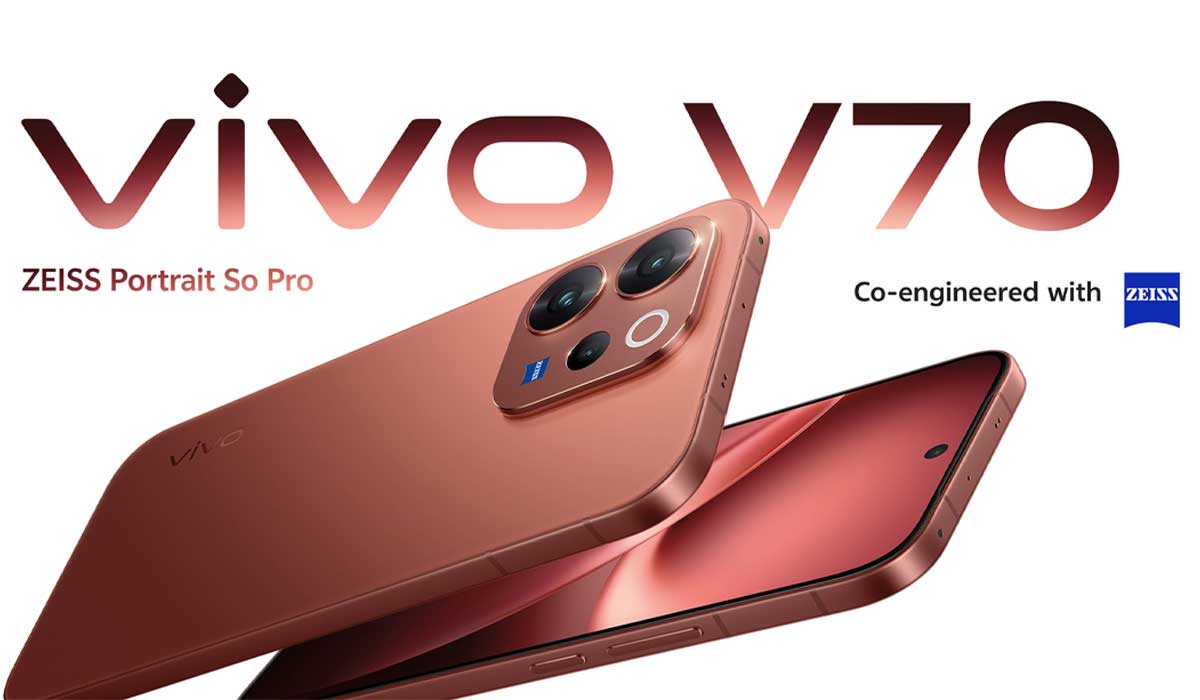
It looks like vivo has finally realised that people do not want to buy a semi-flagship phone at a flagship price. And according to sources, V70 sales have apparently not been doing too well either. Hopefully, the introduction of the new memory variant changes that.
What is the Price of vivo V70 in Nepal?
Even before the recent market shift, the V-series had been steadily climbing in price. The V60 saw a Rs. 3,000 hike over its predecessor, which, to be fair, was justified by the upgrades. But the V50 before it also went up by Rs 2,000 despite offering little to no improvements — something we heavily criticised.
So, with that track record and the ongoing RAM shortage, we expected the vivo V70 to cross the Rs. 90,000 mark. It would have only made sense for vivo to introduce a lower memory variant from the start, just like what Honor did with the X9d, bringing in a lower memory option to keep the base price more accessible.
But when the V70 launched, the higher variant crossed the Rs. 90,000 mark right away. The 12/256GB and 12/512GB trims launched at Rs. 83,999 and Rs. 94,999, respectively, a Rs. 19,000 jump and a Rs. 13,000 jump from the V60’s launch price. Had vivo brought the V70 with a lower RAM option at launch, the starting price could have been significantly lower, which would have certainly caught more buyers’ attention amid all the price hike chaos.
Well, better late than never. The addition of the lower memory variant is a welcome move, and it brings the vivo V70 price in Nepal down to Rs. 84,999 for the 8/256GB variant. The rest of the lineup remains unchanged from what we saw in May. The 12/256GB trim still costs Rs. 1,02,999, and the 12/512GB trim sits at Rs. 1,22,999, the same Rs. 19,000 and Rs. 28,000 jumps from launch pricing, respectively.
This brings the vivo V70 back into the semi-premium category, at least for the base variant. And if you want to get the phone, it is available at 0% EMI with a 12-month payback period, which makes it even more accessible. You can visit any vivo-authorized store across Nepal if you want to pick one up.
Last year, the V60 was a massive step up from the V50. It finally added a telephoto lens, which is a must-have for any “camera-centric” phone, and delivered a significant performance boost. Even the design, while not necessarily groundbreaking, was polished enough to turn heads.






Six months later, vivo launched the V70. Usually, a half-year cycle isn’t enough time for meaningful upgrades, especially after such a leap with the previous generation. Is that the case? You can find out in our vivo V70 review below:

vivo V70 Overview
vivo has completely pivoted with the V70, ditching the signature curves for a flat glass back and a sleek aluminum alloy frame. To be honest, with that new square camera module, it looks a lot like OPPO’s Find X series.
While previous V-series phones relied on curved displays to make their bezels seem narrower, the V70 doesn’t need the illusion. Even with a flat screen, it boasts incredibly thin 1.2mm bezels that give it a truly premium feel.
Despite being slimmer, the V70 hasn’t lost any durability. It’s rated IP68 and IP69 for dust, water, and water jets. It survives 1.8-meter drops, and the screen’s protected by Schott Xensation Core glass.
Now flip it over, and you’ll find a 6.59-inch screen, a bit smaller than the V60’s 6.77-inch display, but vivo has managed to cram in a 1.5K resolution. Since we only had FHD last time, the visuals will be much crisper, especially with the HBM brightness bumped up to 1,800 nits from 1,500. It is a 10-bit panel with a 120Hz refresh rate, like before.
Plus, it now features an ultrasonic fingerprint sensor, which is generally only reserved for flagship phones. With higher variants costing over 1 Lakh, I guess, it’s good that it at least has a flagship feature.
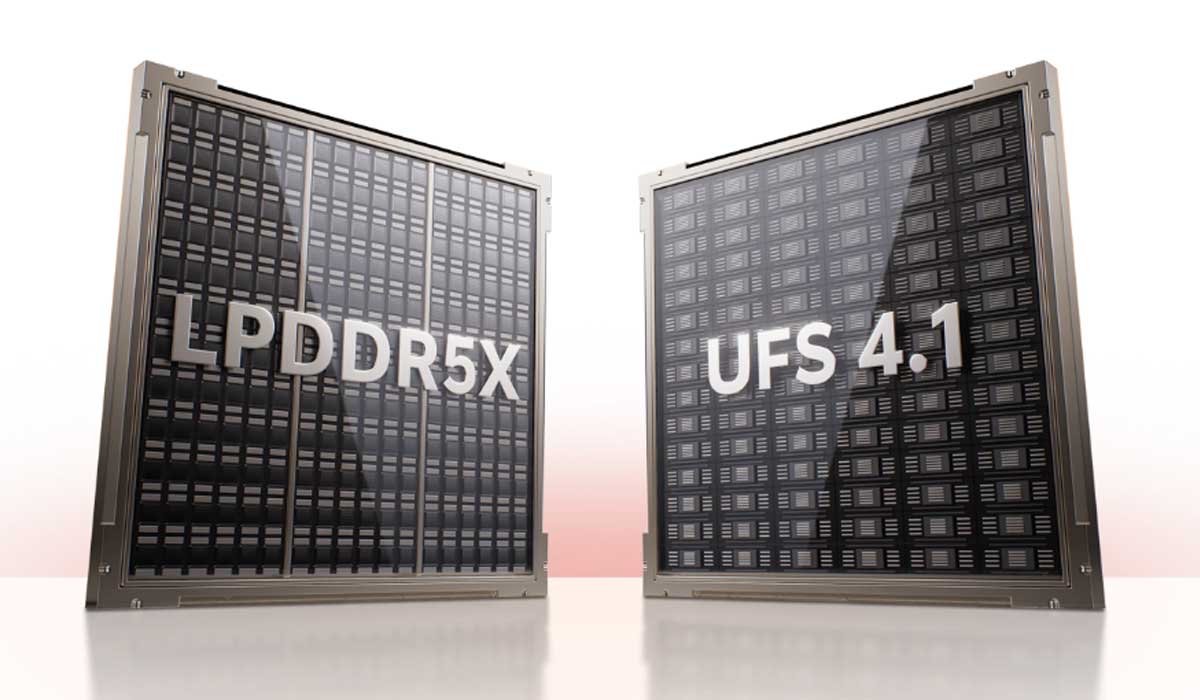
But that Snapdragon 7 Gen 4 it runs on is absolutely out of place at this price. However, the memory upgrade from the sluggish UFS 2.2 to UFS 4.1 offers some solace, as it is a flagship standard.
This results in faster read/write speeds, quicker game loads, and less delay when snapping photos. The phone is equipped with 12GB of LPDDR5x RAM and 256GB or 512GB of internal storage.
Cameras are the V70’s main selling point, backed by the ZEISS partnership. The 50MP Sony LYT-700V main sensor with OIS is a real step up from the IMX766 — better low-light performance and clearer photos overall.
The 50MP telephoto (3x, Sony IMX882) is capable too. The 8MP ultra-wide? It feels like an afterthought. Fixed focus, limited versatility — it just doesn’t measure up. But the front camera is good. You’re getting a 50MP Samsung JN1 sensor with a wide-angle lens and autofocus, which is good.
Besides, portrait mode gets serious attention with ZEISS Multifocal Portrait modes covering 23mm to 100mm, plus distinctive bokeh styles: Distagon, Biotar, Sonnar, and Planar. You can also shoot 4K video at 60 fps.
Thankfully, because vivo was outdoing the competition in terms of photography in the midrange segment, it doesn’t exactly look out of place in the flagship pricing — at least on the surface.
vivo had been adding 500mAh to the capacity every year since the V30, but they decided to stay with 6,500mAh on the vivo V70 instead of hitting 7,000mAh. It is a Si/C unit and charges at 90W, which is pretty fast.
On the OS end, the phone boots on Android 16 with OriginOS 6 and comes with 4 years of OS upgrades and 6 years of security patches.
vivo V70 Specifications
- Body: 157.52 x 74.33 x 7.59 mm, 194g
- Build: Glass back, Aluminium alloy frame, IP68/69, 3D ultrasonic in-display
- SIM: Dual SIM (2 nano-SIMs)
- Display: 6.59-inch AMOLED, 1.5K (1260 x 2750 pixels), up to 120Hz, 1,800nits (HBM), 5000nits (peak), 459PPI
- Chipset: Snapdragon 7 Gen 4 (4 nm)
- Memory: 8/12GB LPDDR5X RAM, 256/512GB UFS 4.1 storage
- OS: Android 16, OriginOS 6
- Rear Camera: 50 MP Sony LYT-700V, ƒ/1.88 (main), OIS
- 50 MP, ƒ/2.65 (telephoto), 3x optical zoom, OIS
- 8 MP, ƒ/2.2(ultrawide)
- Front Camera: 50 MP Samsung JN1, ƒ/2.0
- Battery: non-removable 6,500 mAh Si/C, 90W fast charging
- Colors: Sandalwood Brow, Alpine Grey
vivo V70 Price in Nepal: Rs. 84,999 (8/256GB) | Rs. 1,02,999 (12/256GB) | Rs. 1,22,999 (12/512GB)
ALSO READ: vivo Mobiles Price in Nepal (August 2026 Updated)
The introduction of the 8/256GB variant finally puts the vivo V70 back where it belongs. At over Rs. 1,00,000, it was incredibly difficult to recommend, no matter how good the cameras and display were. But at Rs. 84,999, the V70 feels much more reasonable and far easier to justify.
That said, it is still not the most balanced phone in this price range. If raw performance is your priority, options like the Xiaomi 17T and POCO X8 Pro Max offer significantly more horsepower for similar or even lower money. And if cameras are what you care about, the OPPO Reno15 remains one of the V70’s strongest rivals, matching it in many areas while offering a similarly premium experience.
So, the new 8/256GB variant definitely improves the V70’s value-for-money factor, and for the first time since its launch, it is a phone I can actually recommend. Just know that you’re paying for vivo’s camera experience and polished hardware rather than class-leading performance. If that’s what you’re after, the V70 is finally priced where it should have been from day one.
What are your thoughts on the vivo V70? Let us know in the comments below!
-
Honor Watch X5i Launched in Nepal: Does It Live Up to the Rugged X Series Name?HIGHLIGHTS The Honor Watch X5i price in Nepal is Rs. 8,999. It features a 1.85-inch…

-
Samsung Galaxy Z Flip8 Now Available in Nepal: Still Fun, Now More RefinedHIGHLIGHTS The Samsung Galaxy Z Flip8 price in Nepal is Rs. 1,94,999 for the sole…
-
Galaxy Z Fold8 Now Available in Nepal After Pre-Booking EndsHIGHLIGHTS The Samsung Galaxy Z Fold8 price in Nepal is Rs. 2,74,999 (12/256GB). The phone…