


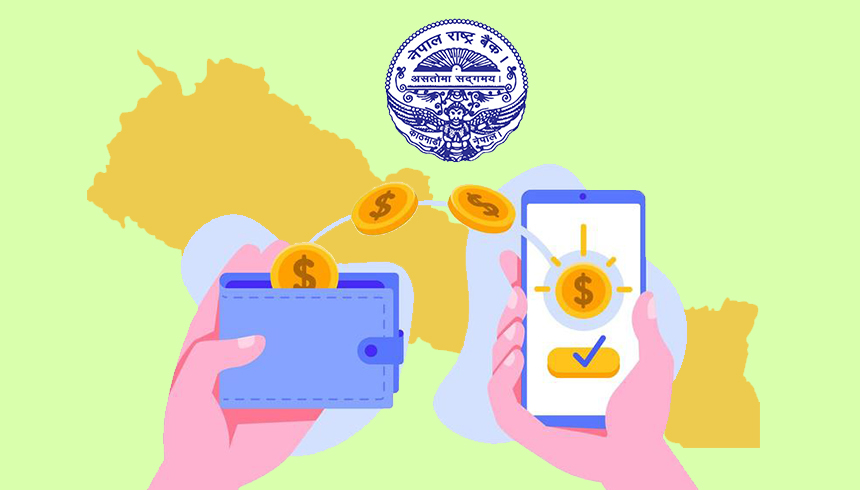
Digital payments have moved from convenience to critical infrastructure in Nepal. As consumers adopt mobile wallets, QR codes, and app-based services, regulators are tightening the rules that underpin these systems. For international tech platforms, that shift is changing how they enter, operate, and scale in the Nepali market.
What makes the moment especially interesting in 2026 is the convergence of payment policy, telecom regulation, and cross-border connectivity. Nepal is no longer just reacting to global platforms; it is actively shaping the conditions under which they can serve local users. That has implications for everything from streaming subscriptions to app stores and cloud-based services.

The real question is how these regulatory changes translate into day-to-day experiences for users and businesses. To understand that, it helps to look at the framework now taking shape.
Nepal’s Current Digital Payment Framework


Nepal Rastra Bank’s recent directives point to a more hands-on regulatory approach. Payment service providers are now expected to maintain detailed risk logs, adopt AI-driven fraud detection tools, and demonstrate business continuity planning. These requirements reflect rising transaction volumes and the growing complexity of digital ecosystems.
As payment rails become more interoperable, users are increasingly comparing how different jurisdictions manage access, licensing, and compliance. This often involves examining region-specific digital services, where payment rules directly influence availability and usability. In discussions about global platforms operating under strict regulatory frameworks, tightly controlled markets in the Middle East are frequently cited. For example, user research into the best casino sites qatar illustrate how payment access, localisation, and legal clarity shape cross-border digital experiences. The same logic applies to apps and services entering Nepal under tighter financial oversight.
This framework is emerging against a backdrop of rapid adoption. Mobile banking activity surged last year, with transactions climbing from Rs218.3 billion to Rs374.66 billion in just one month-long period, according to reporting on Nepal’s digital payment trends. That growth leaves little room for regulatory complacency.


Impact On International Tech Platforms
For global apps and platforms, Nepal’s push for interoperability is a notable shift. The rollout of a unified payment infrastructure is designed to simplify integrations and reduce fragmentation across wallets and banks. In theory, that lowers barriers for international services that previously had to negotiate multiple local payment partners.
Cost is another factor. The National Payment Switch is expected to cut digital transaction expenses by 30–40%, as outlined in coverage of the National Payment Switch initiative. Lower fees can make Nepal a more attractive market for subscription-based platforms and cross-border SaaS providers.
At the same time, clearer rails come with clearer rules. Platforms that once operated at arm’s length now face explicit expectations around data handling, settlement, and reporting. For some, that clarity is welcome. For others, it raises the compliance bar.
Compliance Challenges For Service Providers
Taxation has become one of the most visible pressure points. Nepal’s Digital Service Tax has already generated over NPR 416 million from non-resident digital services in fiscal year 2023/24, based on analysis of digital service tax data. That figure underscores how seriously authorities are taking revenue from cross-border platforms.


Beyond tax, service providers must navigate sector convergence. Telecom operators are now permitted to offer payment services, blurring the line between connectivity and finance. For international firms, this creates new partnership opportunities but also new competitors embedded deeply in the local market.
The compliance load is heavier, but it is also more predictable. Defined standards around fraud prevention and operational resilience reduce ambiguity, even if they require upfront investment.
What This Means For Nepali Users
For users, the benefits are mostly subtle but meaningful. More interoperable payments reduce friction when subscribing to international apps or paying for digital tools used in remote work and online commerce. Stronger oversight also improves trust at a time when fraud risks are rising.
There is a trade-off. Some platforms may delay entry or limit features while adapting to local rules. Yet the broader picture suggests a market becoming more mature, not more closed.
Bringing It Together
Nepal’s evolving digital payment regulations are less about restriction and more about readiness. By tightening oversight while investing in interoperable infrastructure, regulators are positioning the country as a credible participant in cross-border digital services. For tech platforms, the message is clear: Nepal is open for business, but on defined terms. For users and startups, that clarity could be the foundation for a more connected digital economy.
-
You Can Now Pre-Order the Samsung Galaxy A37 in Nepal: What Has Changed Really?HIGHLIGHTS The Samsung Galaxy A37 price in Nepal starts at Rs. 64,999 (8/128GB). The phone…

-
Pre-Order for Samsung Galaxy A57 Starts: The Thinnest A-Series Member Ever!HIGHLIGHTS The Samsung Galaxy A57 price in Nepal starts at Rs. 84,999 (8/256GB). The phone…
-
Nothing Phone (4a) Pro Looks Almost Perfect, and It’s Launching Soon in Nepal!HIGHLIGHTS The Nothing Phone (4a) Pro price in Nepal could start at Rs. 69,999 (8/128GB).…