

Battery packs in Battery Electric Vehicles (BEVs) often account for more than 50% of the total cost of the vehicle. Naturally, they play a crucial role as the shift from internal combustion engines to electric mobility gains more momentum than ever. Over the years, battery research has accelerated at an incredible pace, largely driven by the global EV boom.
Golden Shield Battery Technology
Introduction
In this race, CCEC (CATL-Changan EV Battery Co. Ltd.) has taken a genuinely impressive leap by developing a new battery called the Golden Shield. As the name suggests, CCEC is a joint venture between CATL, the world’s largest battery manufacturer, and Changan, one of China’s major automakers. The partnership was done with an aim to push the boundaries of modern battery engineering.

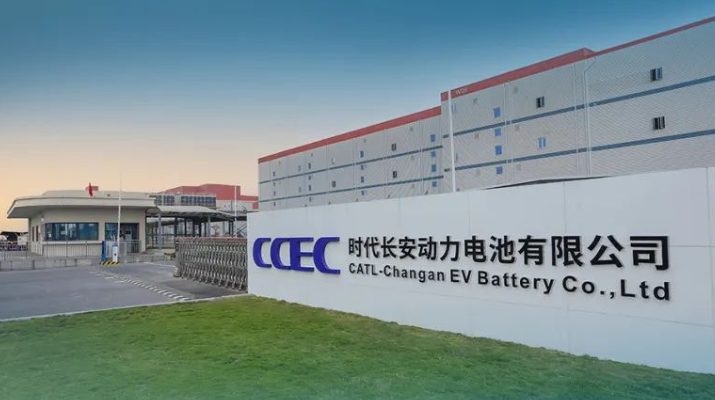
Nepal, which has quietly become an important export destination for Changan, now benefits from this innovation much earlier than expected. The Golden Shield battery is already on the road, powering the Deepal S05 that starts at Rs. 49.99 Lakhs. If we focus solely on the battery, the S05 is currently the most advanced BEV available in Nepal. It should also be noted that the newly arriving Deepal S07 ICA will also feature the same battery, contrary to the normal LFP that was seen during the ICA’s first arrival in Nepal.
At TechLekh, we love diving into new tech, so this article will take a closer look at what makes the Golden Shield battery system special and where it actually stands in real-world use. We will discuss this battery in terms of its safety, charging efficiency, durability, sustainability, and integration with the Deepal S05, along with real-world implications.

Golden Shield Battery System Explained
Safety
HIGHLIGHTS
- Highly advanced thermal management system.
- 99% of accuracy while predicting the battery’s state of charge (SOC).
- Tested and validated against extreme battery tests.
The Golden Shield battery technology puts safety at the very center of its design. Its main goal is to stop thermal runaway, which is the dangerous chain reaction where a battery cell overheats, releases flammable gases, and can eventually cause a fire. Golden Shield tackles this with several layers of protection working together.
The most important innovation is something called “flow-path architecture”. Think of it as an internal exhaust system built into the battery. If a cell fails and releases extremely hot gases, sometimes hotter than 700°C, the battery guides these gases through dedicated channels. As they move, they pass through cooling zones that bring the temperature down to below 80°C.
Only then do they exit the battery in a controlled way and away from the vehicle’s cabin. Because the heat and pressure are safely redirected, they do not spread to neighboring cells, which is usually how one bad cell ends up damaging the whole battery in older designs.
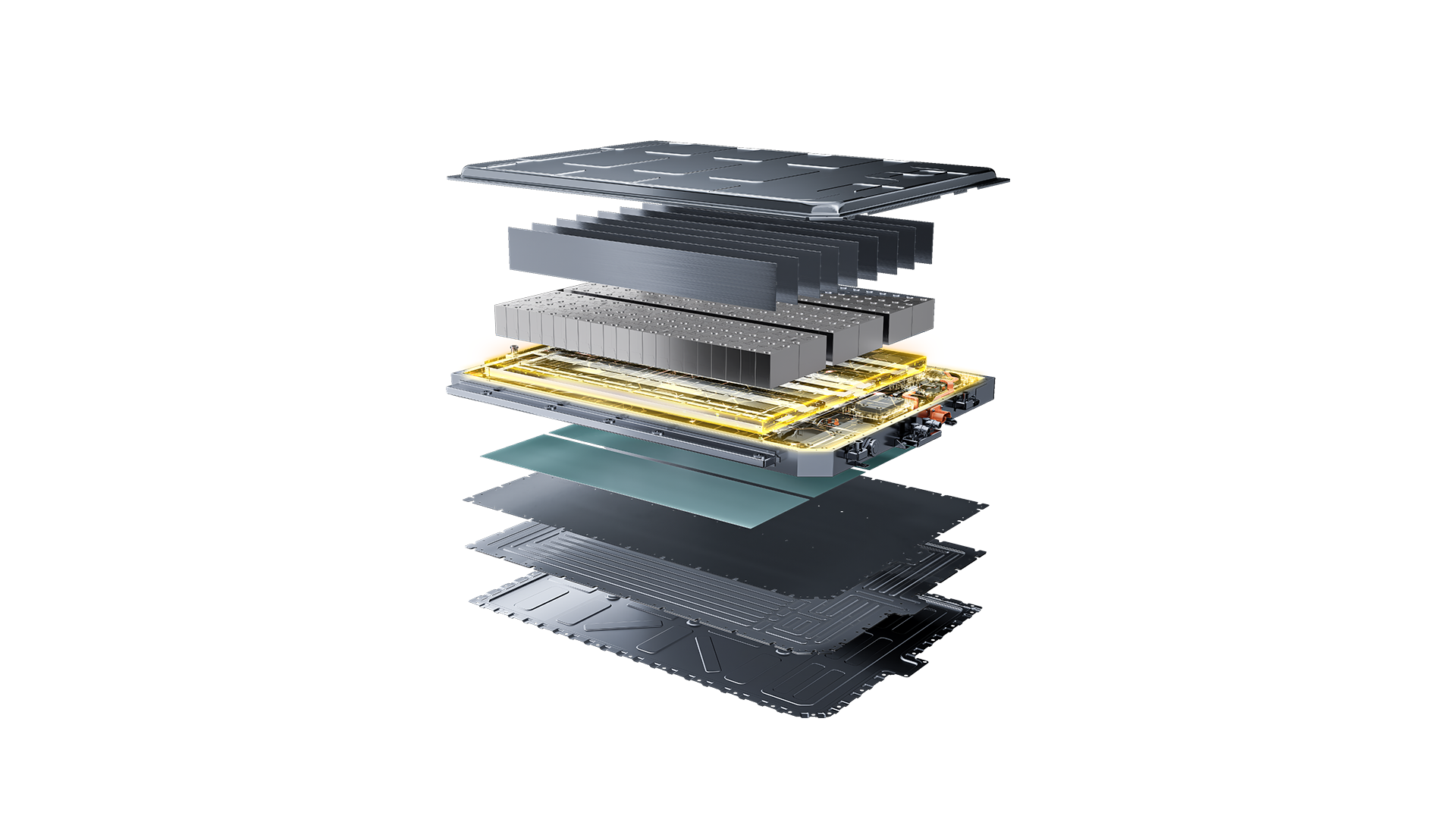
The Golden Shield system also relies heavily on monitoring. It uses more than 100 tiny sensors that track temperature, voltage, and pressure in real time. These sensors are surprisingly cheap, costing about one percent of what older sensor systems cost. They constantly send data to an AI platform in the cloud, which can estimate the battery’s state of charge with 99 percent accuracy.
More importantly, it can detect unusual behavior in under a second, giving the system enough time to react before anything becomes dangerous. Over-the-air updates can even adjust safety protocols as the system learns more from real-world data.

ALSO READ: Deepal S07 Price in Nepal (September 2026 Updated)
To prove its safety claims, the battery goes through tests that are tougher than China’s GB/T 31467 standards. It does not catch fire, explode, or even release smoke during harsh scenarios such as needle punctures with a 5 mm spike, full water submersion for an hour, or constant direct flame exposure for over two minutes.
It also carries an IP68 rating, meaning it is fully sealed against dust and can survive deep water without damage, which is especially useful for markets with unpredictable weather and rough roads.
Charging and Performance
HIGHLIGHTS
- Can charge from 30-80% in 15 mins with a 200 kW DC fast charger.
- Slower battery degradation rate.
- Energy density ranges between 160 – 180 Wh/kg.
With safety in check, the Golden Shield battery also delivers a strong performance. It uses LFP chemistry, which is known for its stability and lower risk of overheating compared to NMC batteries. This makes the system reliable even when pushed hard during fast charging or heavy use.
One of its biggest strengths is its fast-charging capability. The battery uses a 3C fast-charging protocol, which basically means it can charge at three times its rated capacity and implies that it is engineered to handle very high charging power without overheating or degrading quickly. In practice, this lets you go from 30% to 80% in about 15 minutes at a 200 kW DC fast charger.
This speed has been achieved this speed by improving the internal electrodes and using better electrolytes that resist heat buildup when large amounts of power are flowing in. For home users, it still supports a regular 6.6 kW AC charger and also supports vehicle-to-load (V2L) up to 6.6 kW.
Its energy density sits between 160 Wh/kg and 180 Wh/kg, which is frankly is not the highest in the industry, but this density allows efficient battery packing even into compact EVs while still supplying consistent power to the motor without sudden drops in performance.
Durability and Lifespan
HIGHLIGHTS
- Over 5000 cycle life equating to 6,00,000 kms of driving.
- Performs better in cold weather than a conventional LFP battery.
- Has survived rigorous 126 safety tests.
Another aspect due to which the Golden Shield battery stands out is its outstanding longevity and reliability. It is rated for over 5000 full charge cycles, which means you can charge it from 0 to 100% more than 5000 times before it drops to 80% of its original capacity.
As per the official claims, this equates to around 6 Lakhs km of driving, which is far beyond what many EV owners will ever cover. This kind of lifespan comes from the use of stronger internal materials, especially multi-grade electrodes that do not wear out easily, even after years of charging and discharging.
Cold weather usually affects LFP batteries, but Golden Shield battery technology has a solution for that too. It uses a micro-core pulse heating system that sends tiny bursts of energy inside the battery during freezing conditions. These pulses warm up the electrolyte and prevent the usual 20% to 30% performance loss seen in normal LFP packs. Because of this, the battery works smoothly between -30°C and 60°C+.
Its physical durability is tested thoroughly. In 2024 alone, the battery underwent 126 safety tests, which include vibration tests, crush tests, and overcharge tests. These ensure the battery can handle rough roads, accidents, or misuse without failing. The design also includes explosion-proof valves that only activate when necessary, which reduces wear and extends lifespan. Many of these technologies are protected by over 40 patents.
As of late 2025, the Golden Shield battery comes with an 8-year or 2,40,000 km warranty, but for Nepal, the distance has been nerfed to 1,50,000 km, probably with considerations of Nepal-centric conditions. The battery is also being exported to stricter markets, including Europe, and notably, the first batch of more than 1000 Deepal S05 units shipped from Thailand demonstrates that the battery meets demanding international standards such as UN ECE R100, which focuses heavily on EV safety and durability.
Sustainability Features
HIGHLIGHTS
- Cobalt-free LFP chemistry and less emissive manufacturing.
- High recyclability.
- Uses AI for maximizing efficiency.
The Golden Shield battery uses cobalt-free LFP chemistry, which immediately reduces the environmental and ethical concerns linked to mining rare metals like cobalt. Because LFP materials are easier and cleaner to produce, the battery’s manufacturing process can cut its carbon footprint by up to 30% compared to traditional NMC batteries.
Another major advantage is recyclability. The Golden Shield pack is engineered so that up to 95% of its materials can be recovered at the end of its life. On top of that, the battery’s extremely long lifespan means fewer replacements over the life of the vehicle, which reduces waste even further.
The battery also uses AI-based diagnostics to improve efficiency, where the system monitors battery behavior, predicts inefficient energy states, and corrects them before they waste power. This can reportedly reduce total energy consumption by 5% to 10%, which is significant over the years of driving.
Integration with Deepal S05 and Real-World Implications
HIGHLIGHTS
- S05 is the first EV to get the Golden Shield Battery.
- 56.12 kWh battery pack supports a WLTP range of 405 km.
- Supports a really high charging capacity while ensuring safety.
The Deepal S05 uses the Golden Shield battery technology with a modest 56.12 kWh capacity, and it carries a WLTP range claim of 405 km. Thanks to the stable nature of this battery system, the real-world figure should not fall far from that claim. You can reasonably expect anything above 350 km in normal conditions, which is respectable for a battery of this size.
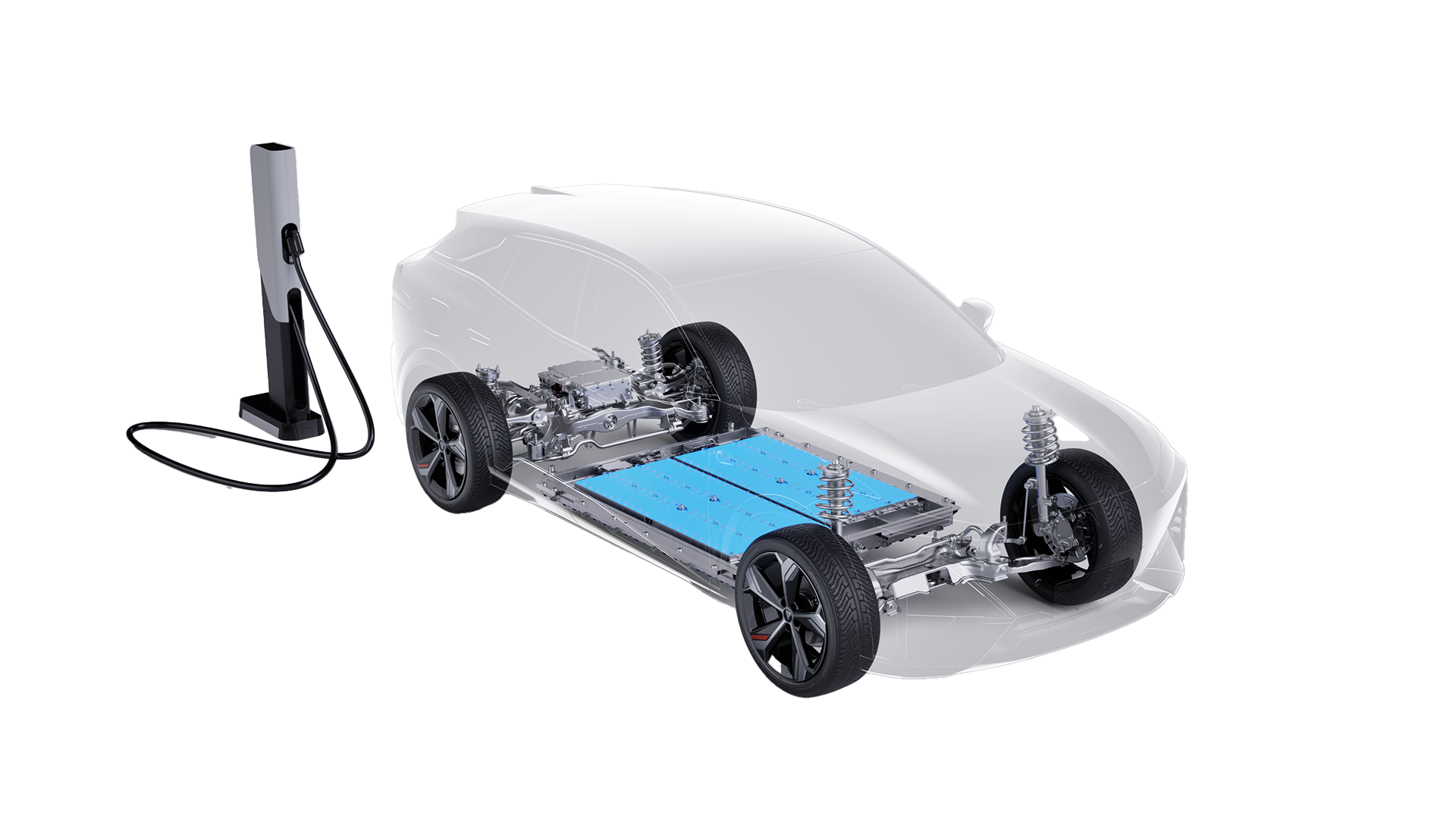
The motor produces 99 kW, and this capped output naturally limits how aggressively it pulls power from the pack. In theory, that helps preserve range during everyday driving. The compact battery also sits low in the chassis, which improves the car’s center of gravity and brings the weight balance close to an ideal 50:50 split between the front and rear.
Where the S05 truly makes a strong case is its fast charging capability. If high-capacity chargers are available, the car can add about 200 km of range in the time it takes to enjoy a quick coffee. However, this benefit only feels real when the charging network keeps up. The battery still loses efficiency in extremely cold weather, although the built-in heating system softens the impact.
The Golden Shield battery follows the same mindset that once made the Blade battery a reference point for safety. It prioritizes protection above everything else, sometimes to the point of feeling overly cautious. So you stay assured inside the comfortable cabin of the Deepal S05, filled with modern features. You get heated and ventilated seats, a panoramic glass roof, a 14.4-inch infotainment system, a heads-up display, and a 14-speaker audio setup.
What do you think about the Golden Shield Battery Technology? Is this the battery breakthrough of the decade? Let us know in the comments below!
(Branded Content)
-
Vivo Y05e Launched in Nepal: The Y05 Gets a Cheaper SiblingHIGHLIGHTS The Vivo Y05e price in Nepal is Rs. 19,999 for the sole 4/64GB variant.…

-
OPPO Reno16 F Launching Soon in Nepal: Reno F Finally Gets an UpgradeHIGHLIGHTS The OPPO Reno16 F price in Nepal could start at Rs. 77,999 for the…
-
Honor X7e Launches in Nepal with a Massive 7,500mAh BatteryHIGHLIGHTS The Honor X7e price in Nepal is Rs. 39,999 (6/256GB). It features a 7,500mAh…