


HIGHLIGHTS
- The Xiaomi Tag price in Nepal starts at Rs. 2,999.
- It’s powered by a CR2032 coin battery that lasts up to a year.
- The Tag weighs 10 grams and is IP67 rated for dust and water resistance.
Xiaomi has its hands on everything: smartphones, TVs, earphones, watches, power banks, and they even make a garment steamer. And now, they are adding one more thing to that ever-growing list with the Xiaomi Tag.

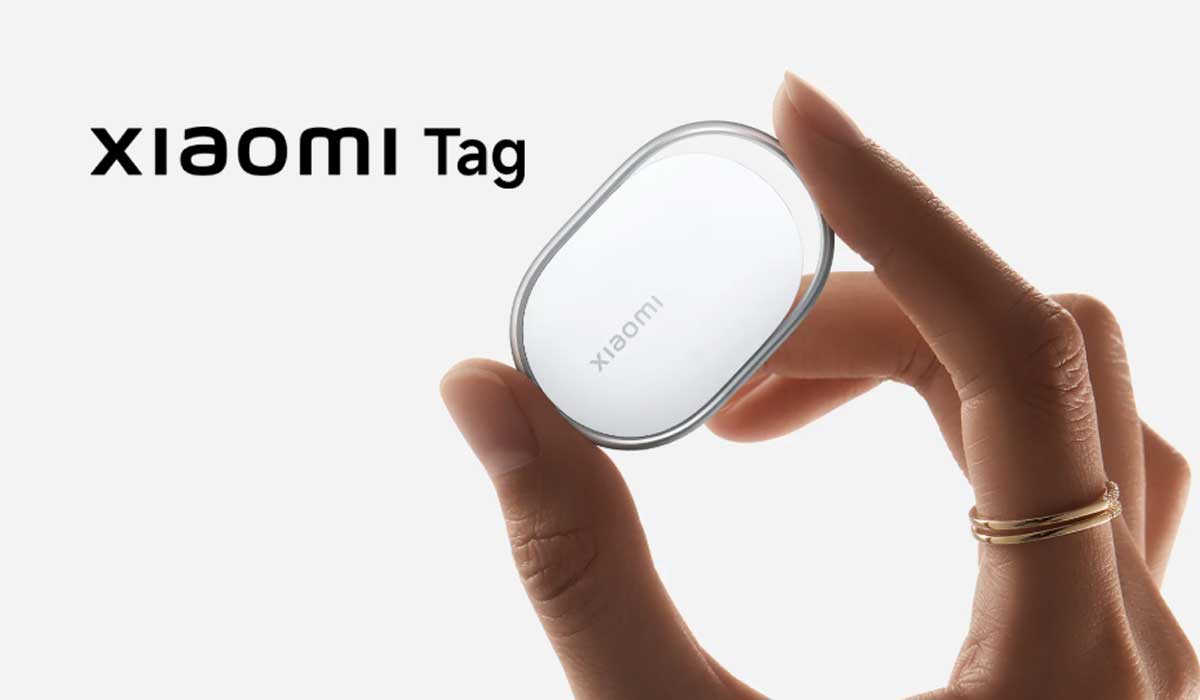
The Tag made its global debut back in February 2026 alongside the Xiaomi 17 Ultra, and it has now officially made its way to Nepal.
What is the Price of Xiaomi Tag in Nepal?
The Xiaomi Tag price in Nepal is Rs. 2,999 for a single unit. It’s officially on sale at authorized Xiaomi stores and local gadget shops across the country.

Bluetooth trackers are not entirely new to Nepal. Apple’s AirTag has been available here for a while, but at north of Rs. 5,000 a piece. It has always felt like a premium accessory rather than something the average Nepali user would pick up. Besides, the AirTag works best if you are deep in the Apple ecosystem; for Android users, the experience is limited.
Samsung did bring its original SmartTag to Nepal back in 2021, but it did not exactly make a big splash. The SmartTag 2, which came out in 2022 with meaningful improvements, never officially made its way here. So, for Android users in Nepal, there has been a real gap in the tracker market for years.
That is exactly where the Xiaomi Tag fits in. It’s cheaper and comes from a brand that already has a strong and trusted presence in the country. It just makes sense.
Xiaomi Tag Overview
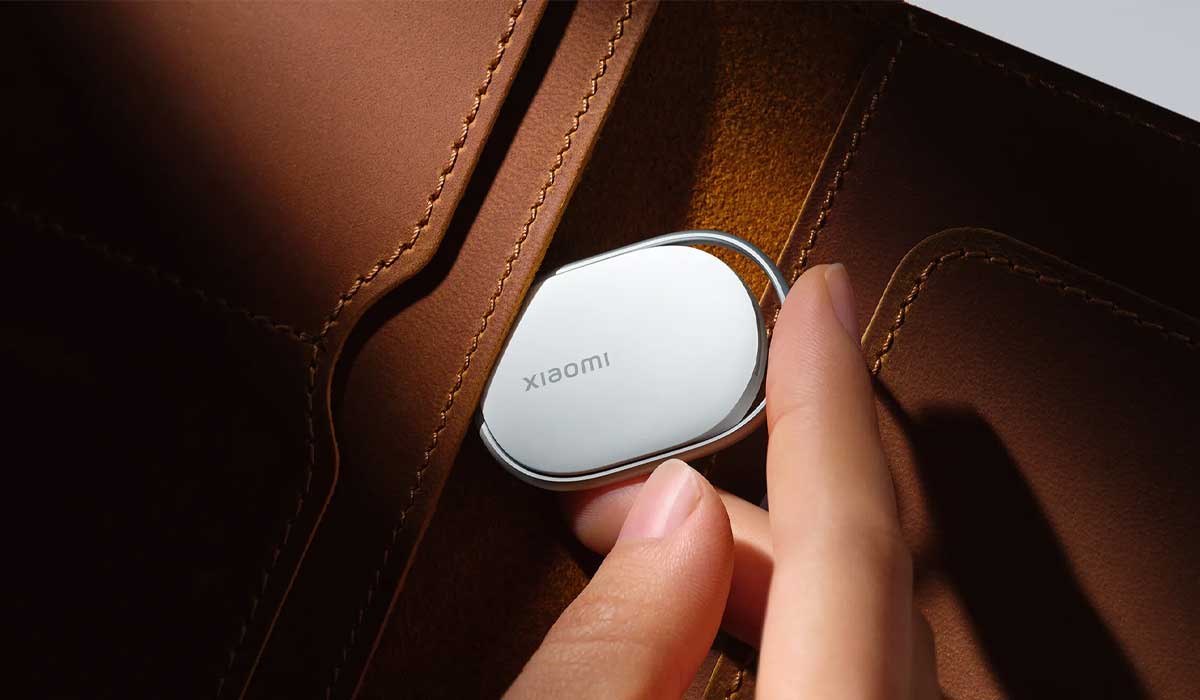
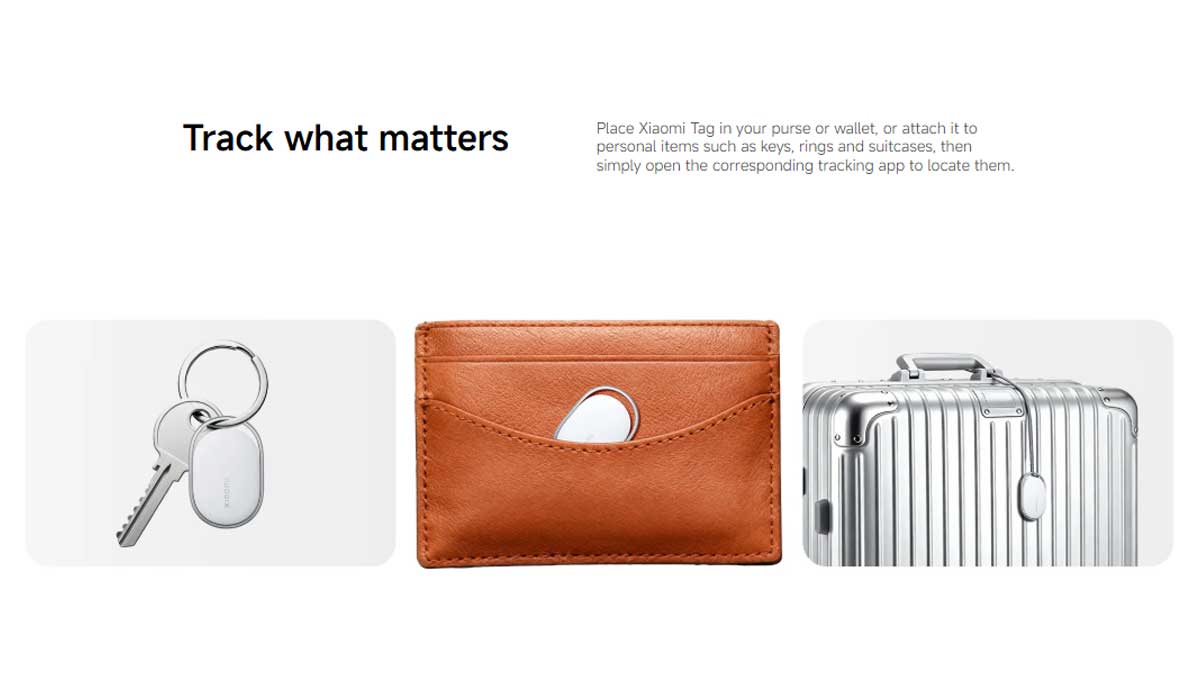
The Xiaomi Tag features a minimalist oval design in white, compact, clean, and lightweight at just 10 grams. It is small enough, measuring 7.2mm thick, to slip into a wallet. The metal ring is a clever design choice for key attachment. The problem is, the opening’s kind of tight, so carabiners won’t fit directly. But honestly, just add a key ring to the tag if you want carabiner compatibility.
The overall build and finish look solid, and with an IP67 rating, it should handle rain, sweat, and the occasional accidental splash.
Under the hood, the Tag uses Bluetooth 5.4 for connectivity and NFC for quick pairing. It does not have Ultra-Wideband (UWB) technology.

For readers unfamiliar, UWB, or Ultra-Wideband, is what gives the AirTag its “Precision Finding” feature. It is that directional arrow on your phone that guides you to within centimeters of your lost item using a highly accurate short-range radio signal. Think of it as GPS, but for your living room.
The Xiaomi Tag does not have Ultra-Wideband, so instead of that pinpoint directional arrow, you get Bluetooth-based location updates on a map. It gets you close, but not that close. That said, UWB really only matters in those last few feet of tracking. For most everyday situations, like finding a lost bag or keys somewhere in your house or office, Bluetooth tracking gets the job done just fine.
But here is where the Xiaomi Tag actually one-ups the AirTag: dual network compatibility. It works with both Apple’s Find My network and Google’s Find Hub ecosystem, meaning both iPhones and Android phones can help locate your tag even when it is completely offline.
In Nepal, where iPhones and Android phones often coexist in the same household, that kind of flexibility is a genuine advantage. Unfortunately, there’s one thing to note: it can’t work with both simultaneously. But the good news is these tags work for years, and you don’t have to swap them out if you decide to switch between Apple and Android.
When you need to find something nearby, the Tag’s built-in speaker can emit a loud alert to guide you to it. You can also trigger this remotely from your phone. For Android users, the Xiaomi Home app handles all tracking and management. For iPhone users, it integrates directly with the Find My app.
You also get “Left Behind” alerts that ping you when you wander off from a tagged item. Lost Mode is built in, and you can add contact details so others can help return your missing item if they find it.
Battery life is handled by a standard CR2032 coin cell, which Xiaomi claims lasts up to a year before needing replacement. When the battery runs out, the CR2032 is one of the easiest and cheapest batteries you can grab anywhere in Nepal.
Xiaomi Tag Specifications
- Body: 46.50 x 31.00 x 7.20 mm, 10 g
- Build: Plastic Body, metal frame, IP67 dust and water resistant
- Connectivity: Bluetooth 5.4, NFC tap for Lost mode (Apple Find My only)
- Speaker: Piezoelectric Buzzer
- Sensor: Accelerometer
- Compatibility: Google Find Hub (Android 9+), Apple Find My (iOS 14.5+ or iPadOS 14.5+)
- Battery: Removable CR2032 button cell
- Colors: White
Xiaomi Tag Price in Nepal: Rs. 2,999
ALSO READ: Redmi Headphones Neo Price in Nepal (October 2026 Updated)
The Xiaomi Tag fills a genuine gap in the Nepali market. At Rs. 3,000, it is the most affordable tracking option available. Since it works with both Apple and Android, it’s honestly more versatile than the AirTag.
That said, the average Nepali buyer may still hesitate. Spending Rs. 3,000 on something that just helps you find your keys is a tough sell for many. But for frequent travelers, students, and anyone who regularly misplaces their belongings, the Xiaomi Tag makes a compelling case.
What are your thoughts on the Xiaomi Tag? Let us know in the comments below!
-
iPad 11th Gen Price in Nepal Gets a Minor Discount for FestivalsHIGHLIGHTS The Apple iPad 2025 price in Nepal starts from Rs. 88,000 (128GB). It is…

-
Apple iPad Air M4 Just Got Slightly Affordable in Nepal For a Little WhileHIGHLIGHTS iPad Air price in Nepal starts at Rs. 1,44,500 for the 11-inch variant and…
-
Apple Airpods 5 Arrives in Nepal With 50% Better Active Noise Cancellation!HIGHLIGHTS Apple AirPods 5 price in Nepal starts at Rs. 31,000 for the standard variant.…