

HIGHLIGHTS
- Xiaomi Pad 8 price in Nepal starts from Rs. 59,999 for the 8/128GB variant.
- It is powered by a Snapdragon 8s Gen 4 chipset with a massive 9,200mAh battery.
- The tablet features an 11.2-inch IPS LCD panel with 3.2K resolution.
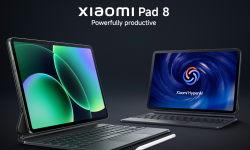
Xiaomi’s most-awaited tablet, the Pad 8, has finally arrived in Nepal. Building on the success of the Pad 7, the Xiaomi Pad 8 arrives with some impressive improvements.

However, with price hikes sweeping across the smartphone and tablet market, can it still retain the value proposition that made its predecessor so popular? Let’s find out.
What is the Price of Xiaomi Pad 8 in Nepal?

We expected the Xiaomi Pad 8 price in Nepal to be Rs 59,999 (8/128GB) and Rs 66,999 (8/256GB). While we were right on the money for the lower variant, the 8/256GB model comes in at Rs 69,999 — Rs 3,000 higher than our expectation.
Now that’s a noticeable jump over its predecessor, but given Xiaomi already raised prices of the Redmi Note 15 5G, Pro, and Pro+ by Rs. 10,000 earlier this year, the current pricing isn’t entirely surprising.
But not all is lost. Xiaomi is running pre-orders from 25th to 31st March, offering either Rs 3,000 instant cashback or discounted accessories. The Xiaomi Focus Pen and Pad 8 Keyboard, typically priced at Rs 7,999 each (or Rs 15,999 bundled), drop to Rs 4,999 individually or just Rs 7,999 for both during this offer. That’s three offers in total, but you can only choose one.


Last year, Xiaomi shook up the market with the Xiaomi Pad 7. The display was excellent. The battery life? Solid! The performance? Reliable. And most importantly, the price? Just right. You should just check out our review video for the table to get a fuller picture:
There is a reason it snagged the title of “Best Overall Value” at the TechLekh Awards 2025 (Tablet Edition). What I am trying to get at is that the Pad 7 set a high bar for mid-range tablets, and the Xiaomi Pad 8 has big shoes to fill.
Xiaomi Pad 8 Overview
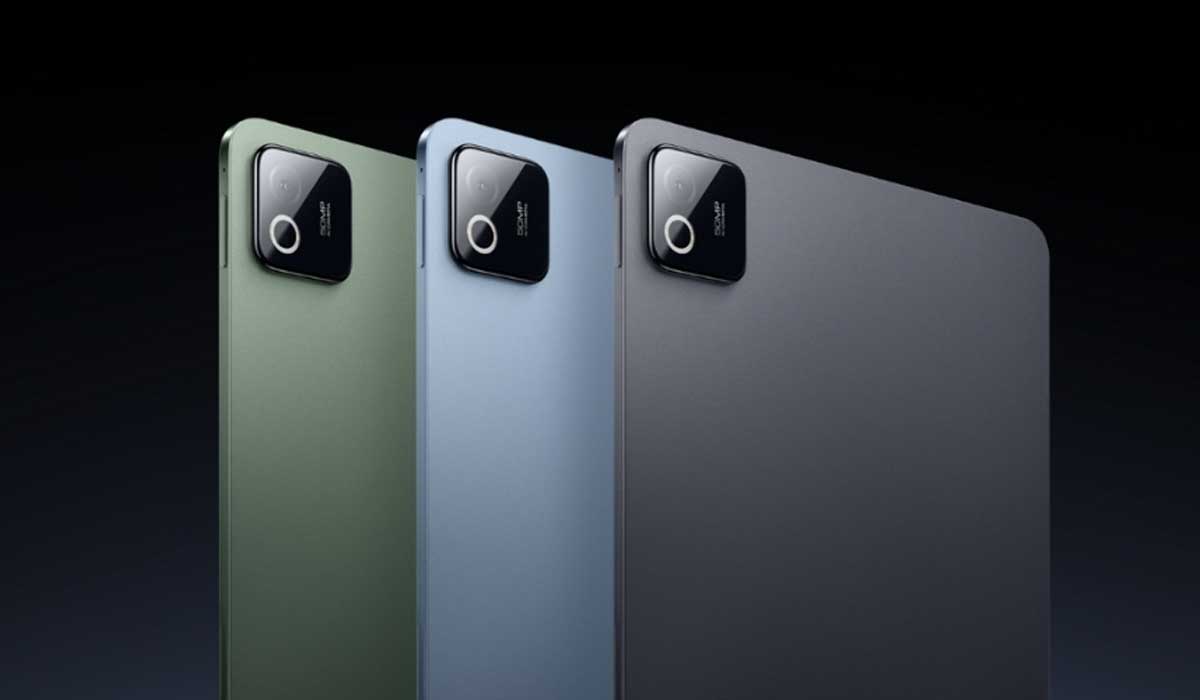
Starting with the design, the Pad 8 looks almost identical to its predecessor, the Pad 7. The square camera module, flat aluminum body, and overall dimensions remain largely the same.
Some key differences include the Pad 8 being thinner at 5.75mm compared to the Pad 7’s 6.2mm. Another minor change is in the camera module; you’ll notice the new model has a single camera with a circular flash ring. The Pad 7 also had a single camera, but its module design made it appear to have four.


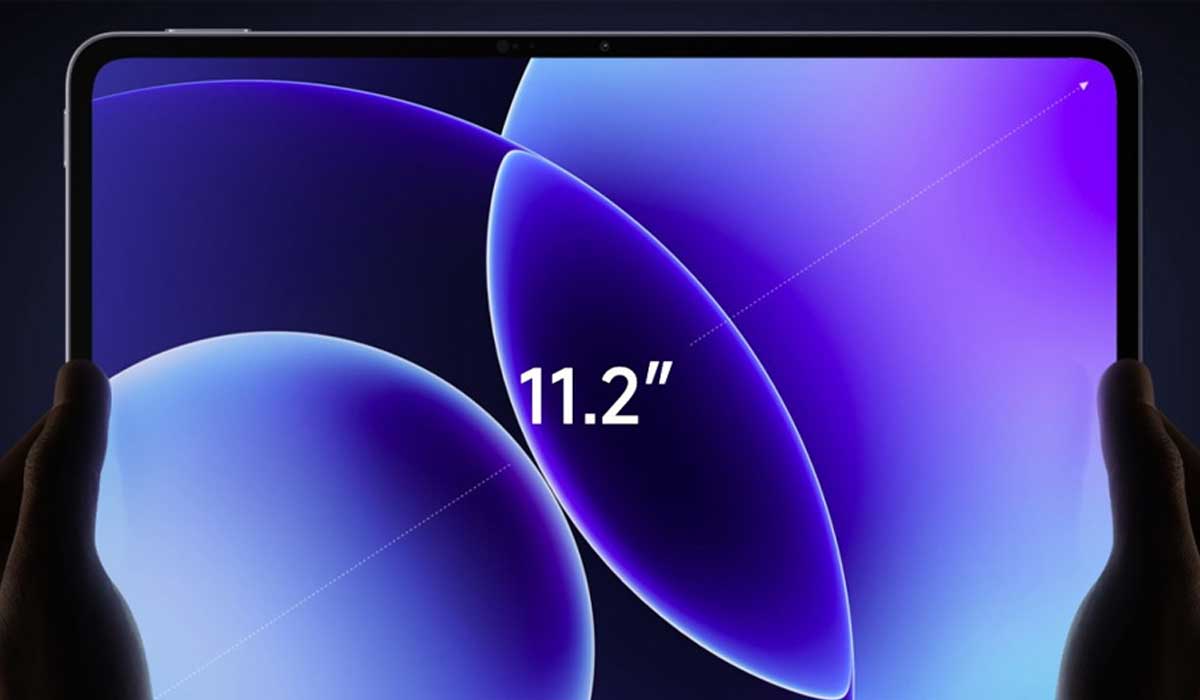
Flip the tablet over, and you’re greeted with a massive 11.2-inch IPS panel, just like the Pad 7. It still runs a 144Hz refresh rate at 3.2K resolution. Xiaomi seems to be taking the “if it ain’t broke, don’t fix it” approach here. While it would have been nice to see an aspect ratio more suited for movies, the current ratio is great for productivity.
The display was one of Pad 7’s strong points, so it’s good to see it carried over to Pad 8.
In addition, to make binge-watching your favourite shows more immersive, the tablet sports a quad speaker setup, backed by Dolby Atmos and Hi-Res Audio.
The Pad 7’s other strong point was its processor, and it’s good to see it improved with the Snapdragon 8s Gen 4. For comparison, the new Pad 8 scores about 45% higher than the Pad 7+ Gen 3 in AnTuTu 10, according to user reports.
ALSO READ: Best Tablets in Nepal at Every Price (March 2026 Updated)
Unfortunately, memory options haven’t changed much. Like last year, the Pad 8 comes with 8GB RAM paired with 128GB or 256GB storage. The upgrade here is that only the 256GB variant uses UFS 4.1, while the 128GB model sticks with UFS 3.1.
The camera setup remains unchanged: a 13MP main camera and an 8MP front-facing camera. While this might seem underwhelming, most tablet buyers aren’t purchasing it primarily for photography.
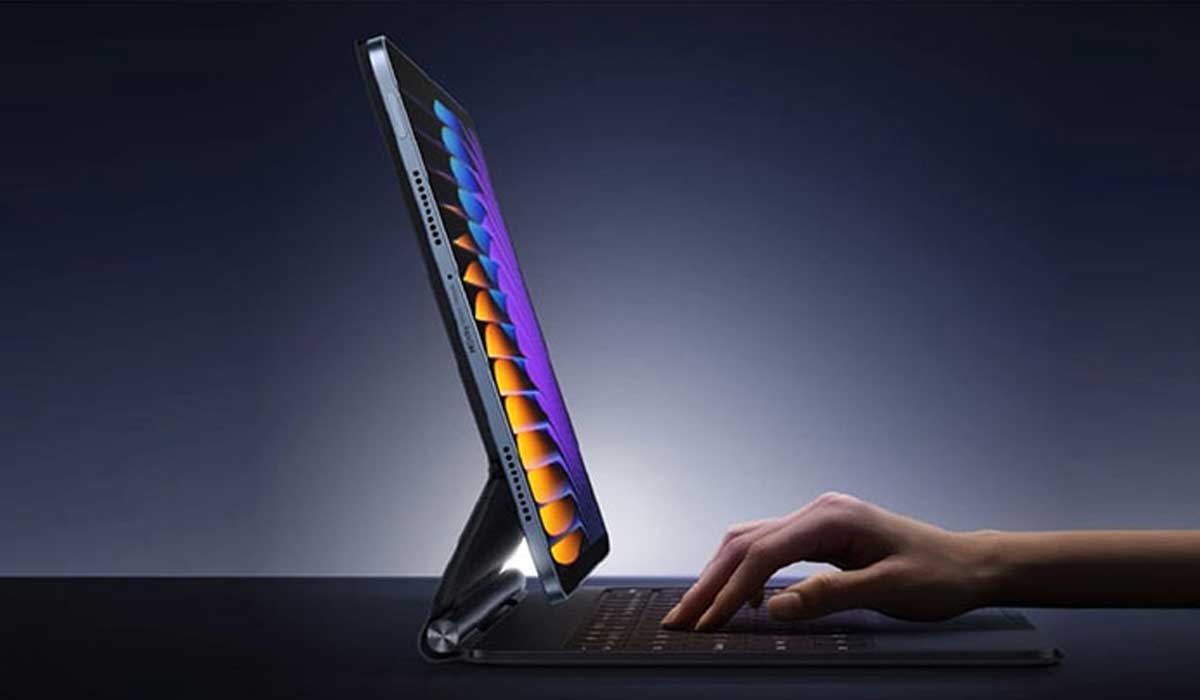
Powering everything is a massive 9,200mAh battery, 350mAh more than the previous generation. However, the charging remains at 45W. The tablet also comes with support for 22.5W reverse wired charging.
Lastly, the Pad 8 ships with Android 16 and HyperOS 3 on top. While HyperOS on smartphones is often bloated with ads, last year’s Pad 7 experience was relatively clean, so HyperOS 3 on the Pad 8 could carry over that spirit.
Xiaomi Pad 8 Specifications
- Body: 251.22 x 173.42 x 5.75 mm, 485g
- Build: Flat frame and back panel with aluminum body
- SIM: N/A
- Display: 11.2-inch IPS LCD, 144Hz, 3.2K, 3200 x 2136 pixels, 345ppi, 3:2 aspect ratio, 800 nits (peak), HDR10, Dolby Vision, Stylus support (magnetic)
- Chipset: Snapdragon 8s Gen 4 (4nm)
- Memory: 8GB (LPDDR5X/LPDDR5T) RAM, 128/256GB (UFS 3.1/UFS 4.1)
- OS: Android 16, HyperOS 3
- Rear Camera: 13 MP, ƒ/2.2, (wide), PDAF
- Front Camera: 8 MP, ƒ/2.28, (wide)
- Battery: 9,200 mAh battery, 45W turbo charging, 22.5W reverse wireless charging
Xiaomi Pad 8 Price in Nepal: Rs. 59,999 56,999 (8/128GB) | Rs. 69,999 66,999 (8/256GB) [With Pre-Order Cashback Offer]
ALSO READ: Apple iPad 11 Price in Nepal (March 2026 Updated)
Just like the Pad 7, the Xiaomi Pad 8 undoubtedly brings value. Xiaomi has nailed almost every aspect of the tablet, from design and display to processor and battery. The only real concern is the pricing. But even though Xiaomi increased tablet prices by over Rs 15,000, it might still be the most value-for-money offering in the Nepali market.
And the reason for that is simple: the Nepali tablet market isn’t very competitive. Between the steep asking price of established brands and the quality uncertainty of unheard-of ones, Xiaomi has always served as the perfect middle ground. And that hasn’t changed.
What do you think about the Xiaomi Pad 8? Let us know in the comments below!
-
Vivo Launches its Latest Entry Level Phone with 120Hz Panel in NepalHIGHLIGHTS The Vivo Y05 price in Nepal starts at Rs. 16,999 (8/128GB). The phone now…

-
Xiaomi Pad 8 Pre-Order Opens in Nepal: The Ultimate Value Tablet?HIGHLIGHTS Xiaomi Pad 8 price in Nepal starts from Rs. 59,999 for the 8/128GB variant.…
-
Xiaomi 17 Ultra Pre-Bookings Open in Nepal with Exciting OffersHIGHLIGHTS The Xiaomi 17 Ultra price in Nepal is Rs. 1,99,999 (16/512GB). It features a…